
Dog Training
Best Reactive Dog Training Techniques That Actually Work (Step-by-Step Guide)

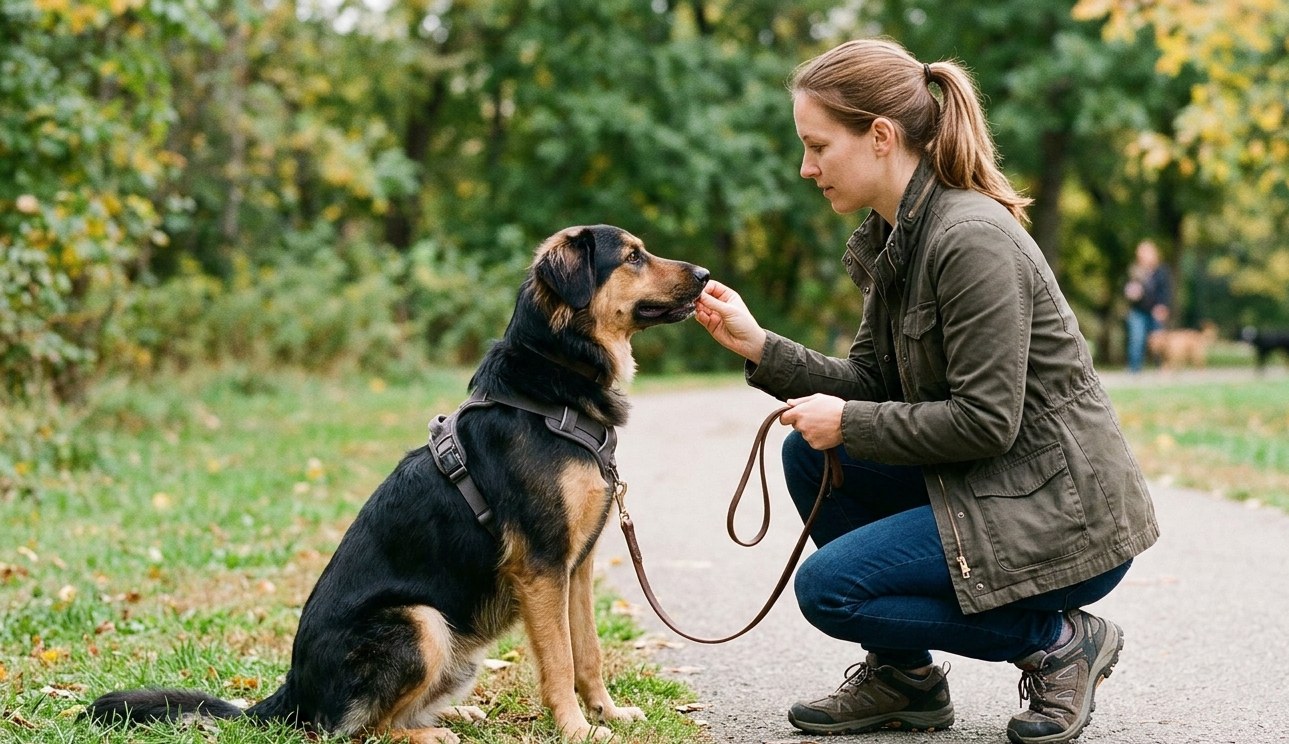
Reactive dog training is one of the most important skills every dog owner should understand, especially if your dog barks, lunges, or overreacts to everyday situations. These behaviors are not just bad manners; they are often signs of fear, anxiety, or overstimulation. The good news is that with the right approach, patience, and consistency, you can help your dog feel calmer and more in control.
In this step-by-step guide, you’ll discover the best reactive dog training techniques that actually work. These methods are based on positive reinforcement and proven behavior strategies that focus on building trust rather than using punishment. Whether your dog reacts to other dogs, strangers, or loud noises, these techniques will help you manage and improve their behavior effectively.
Many dog owners feel frustrated or embarrassed when dealing with a reactive dog, especially during walks or in public places. But you’re not alone, and more importantly, this problem is completely manageable. Understanding your dog’s triggers and learning how to respond correctly can make a huge difference in their behavior over time.
What Is Reactive Dog Behavior?
Reactive dog training behavior refers to an overreaction to specific triggers such as other dogs, strangers, loud noises, or moving objects. Instead of staying calm, a reactive dog may bark, lunge, growl, or pull on the leash. This reaction is usually not about aggression; it’s often driven by fear, anxiety, frustration, or excitement.

In simple terms, a reactive dog struggles to stay relaxed when something in their environment makes them uncomfortable or overly stimulated. For example, a dog might react strongly when seeing another dog on a walk because they feel threatened or don’t know how to respond calmly.This is why understanding your dog’s triggers is a key part of improving their behavior.
Reactive behavior can vary in intensity. Some dogs may only show mild signs like whining or stiff body language, while others may have stronger reactions like barking and lunging.The important thing to remember is that reactivity is a behavior issue that can be improved with proper training, patience, and consistency.
With the right reactive dog training techniques, you can help your dog feel safer and more confident, turning stressful situations into calm and controlled experiences.
Signs Your Dog Is Reactive
Reactive dogs show strong, sudden reactions to triggers like other dogs, people, or noises. The most common signs include barking, lunging, growling, and pulling on the leash. You may also notice early warning signals such as stiff body posture, staring, raised fur (hackles), or ears pinned back.
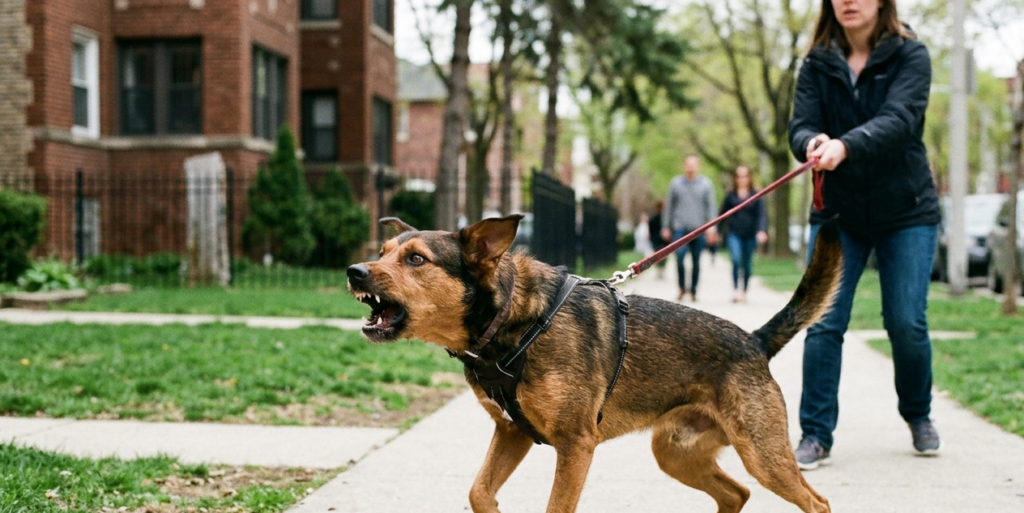
Some dogs show whining, trembling, or trying to escape before reacting. These behaviors are usually caused by fear, anxiety, or overexcitement, not true aggression. Identifying these signs early helps you manage your dog better and apply the right training techniques.
Reactive Dog vs Aggressive Dog
| Feature | Reactive Dog | Aggressive Dog |
| Cause | Fear, anxiety, excitement | Intent to harm |
| Behavior | Barking, lunging, pulling | Biting, attacking |
| Triggers | Specific (dogs, people, noise) | May be unpredictable |
| Intent | To create distance | To cause harm |
| Training | Easier with proper training | Needs expert help |
Why Proper Training Is Important for Reactive Dogs
Proper training is crucial for reactive dogs because it helps them manage their emotions and reactions. Reactive dogs often overreact to normal situations, which can lead to stress ,accidents, or even conflicts with people and other dogs. Training teaches them how to respond calmly and appropriately to triggers instead of reacting out of fear, anxiety, or excitement.

Improves Behavior:
Training reduces excessive barking, lunging, or pulling, making daily life easier for both you and your dog.
Builds Confidence:
Dogs learn that the world is safe and predictable, which lowers fear and anxiety.
Increases Safety:
A well-trained reactive dog is less likely to injure itself or others during walks or interactions.
Better Control:
You gain the ability to guide your dog calmly in public, avoiding stressful situations.
Strengthens Bond:
- Consistent training builds trust and improves communication between you and your dog.
- Prevents Escalation:
- Proper training stops small reactive behaviors from turning into serious aggression.
Best Reactive Dog Training Techniques
Reactive dog training requires patience, consistency, and the right techniques. The goal is to help your dog stay calm, confident, and controlled when faced with triggers. Here are the most effective and authentic reactive dog training techniques that professional trainers use:
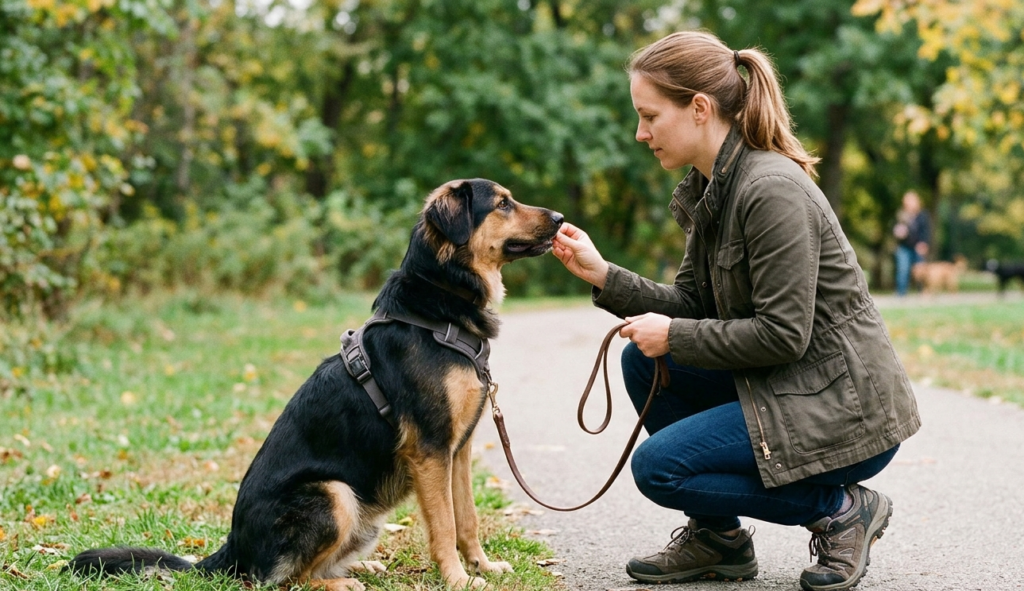
Identify Your Dog’s Triggers
Reactive dog training before training, understand what causes your dog to react. Common triggers include other dogs, strangers, loud noises, or cars. Knowing the triggers helps you plan training sessions safely and effectively.
Positive Reinforcement
Reward calm and appropriate behavior with treats, praise, or toys. This encourages your dog to repeat good behavior rather than focusing on punishment, which can increase fear or aggression.
Desensitization Training
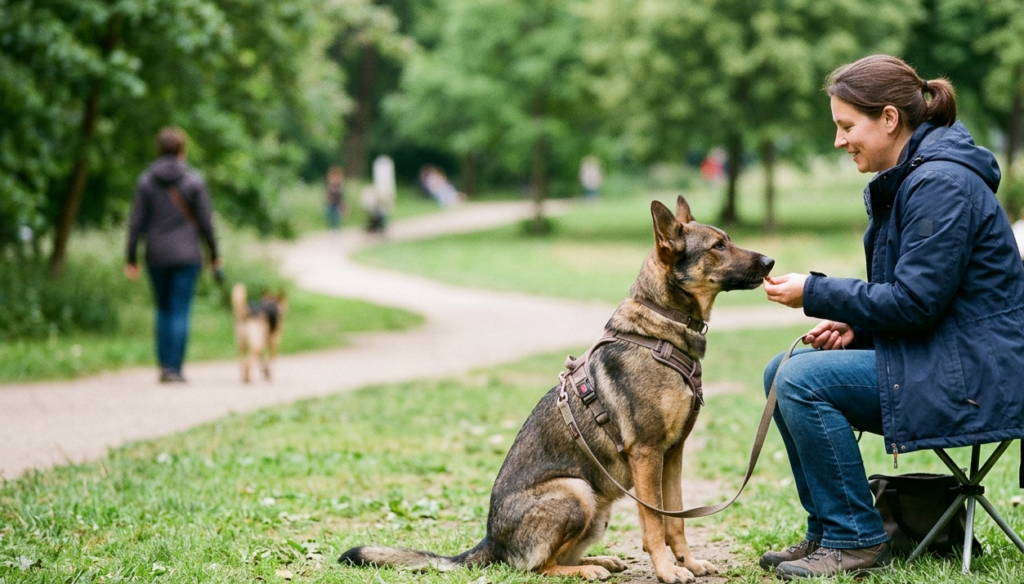
Expose your dog to triggers gradually and at a safe distance. Start with mild exposure and slowly decrease the distance or intensity as your dog learns to stay calm. This reduces overreactions over time.
Now that we’ve covered the foundational techniques, let’s address some common questions about training reactive dogs, starting with the best approach.
What is the Best Way to Train a Reactive Dog?
The best way to train a reactive dog is through positive, consistent, and structured techniques that focus on reducing stress and building confidence. Reactive dogs often react out of fear, anxiety, or overstimulation, so the goal is not to punish them but to teach them how to stay calm in triggering situations.
Key Steps:
Identify Triggers:
Observe what causes your dog to react to other dogs, strangers, loud noises, or vehicles. Knowing triggers helps you plan safe training sessions.
- Positive Reinforcement:
- Reward calm behavior with treats, praise, or toys. This teaches the dog that staying calm brings good outcomes.
- Desensitization:
- Gradually expose your dog to triggers at a distance they can handle without reacting. Slowly decrease the distance over time as they remain calm.
- Counter-Conditioning:
- Pair triggers with something positive. For example, giving treats when another dog walks by teaches your dog to associate triggers with good things.
- Focus & Attention Training:
- Commands like look at me or “focus” redirect your dog’s attention away from the trigger, helping them regain control.
- Consistency & Patience:
- Short, regular training sessions are better than occasional long sessions. Reactivity improves gradually with time and practice.
How can I stop my dog from reacting to other dogs?
Stopping a dog from reacting to other dogs requires patience, consistency, and the right training techniques. The key is to change your dog’s emotional response to other dogs while keeping them safe and calm.
Steps to Reduce Reactivity to Other Dogs:
- Identify Safe Distance:
- Start training at a distance where your dog notices the other dog but does not react. This is called staying under the threshold.
- Use Positive Reinforcement:
- Reward your dog for calm behavior with treats, praise, or toys. Every time your dog looks at you instead of reacting, give a reward.
- Desensitization:
- Gradually decrease the distance to other dogs over time. Start with far-away exposure and slowly move closer as your dog remains calm.
- Counter-Conditioning:
- Pair the sight of another dog with something positive. For example, treat your dog whenever another dog passes by without reacting. Over time, your dog will associate other dogs with good experiences.
- Focus and Attention Commands:
- Teach commands like look at me or focus to redirect your dog’s attention away from the trigger.
- Stay Calm and Controlled:
- Dogs pick up on your emotions. Remaining calm and confident helps your dog feel safe and follow your lead.
- Consistent Practice:
- Short, frequent sessions work best. Avoid forcing encounters, and reactivity can increase if your dog feels overwhelmed.
What are common triggers for reactive dogs?
Reactive dogs respond strongly to things in their environment that stress, scare, or overstimulate them. Understanding these triggers is key to effective reactive dog training.
Common Triggers:
- Other Dogs:
- Many reactive dogs bark, growl, or lunge at unfamiliar dogs during walks.
- Strangers or People:
- Some dogs react to strangers approaching, sudden movements, or people wearing hats, sunglasses, or carrying bags.
- Loud Noises:
- Thunderstorms, fireworks, traffic, and construction sounds can trigger anxiety and overreactions.
- Vehicles and Bikes:
- Moving cars, bicycles, or scooters often startle reactive dogs, causing barking or lunging.
- Animals or Small Wildlife:
- Cats, squirrels, or birds may trigger chasing instincts or heightened alertness.
- Specific Environments:
- Crowded streets, busy parks, or unfamiliar places can overwhelm a reactive dog.
How long does reactive dog training take?
The duration of reactive dog training varies depending on the dog’s temperament, age, severity of reactivity, and consistency of training. There’s no one-size-fits-all timeline, but understanding what to expect helps you stay patient and consistent.
Factors That Affect Training Time:
- Severity of Reactivity:
- Dogs with mild reactivity may improve in a few weeks, while highly reactive dogs may take several months to show noticeable progress.
- Consistency of Training:
- Daily short training sessions (5–15 minutes) are more effective than occasional long sessions.
- Type of Techniques Used:
- Positive reinforcement, desensitization, and counter-conditioning are proven methods that produce better and faster results than punishment-based approaches.
- Dog’s Age and History:
- Younger dogs or those without past trauma often learn faster, while older or previously neglected dogs may need more time.
- Owner’s Patience and Involvement:
- Calm, consistent guidance from the owner accelerates progress. Dogs can sense stress and react more if the handler is inconsistent.
Conclusion
Reactive dog training is a gradual but highly rewarding process. By understanding your dog’s triggers, recognizing signs of reactivity, and using proven techniques like positive reinforcement, desensitization, and counter-conditioning, you can help your dog stay calm and confident in challenging situations.
Consistency, patience, and structured training sessions are key to transforming a reactive dog into a well-behaved and confident companion. With the right approach, even dogs that previously overreacted to other dogs, people, or loud noises can learn to respond calmly and safely.

Puppy Obedience Training 101: A Beginner’s Guide to Raising a Well-Mannered Dog

Common Dog Behavior Problems and How to Fix Them

Puppy Commands for Off-Leash Safety: What Every Owner Needs

Best Age to Start Leash Training a Puppy for Calm Behavior

How to Fix Puppy Behavior Using Gentle Training

puppy-obedience-training-commands/Puppy Training Tips: A Complete Step-by-Step Guide for Beginners

Puppy Obedience Training 101: A Beginner’s Guide to Raising a Well-Mannered Dog
Common Dog Behavior Problems and How to Fix Them
Puppy Commands for Off-Leash Safety: What Every Owner Needs
Best Age to Start Leash Training a Puppy for Calm Behavior
How to Fix Puppy Behavior Using Gentle Training