
Puppy Commands
How to Socialize a Puppy: A Complete Step-by-Step Guide


Quick Summary:
Learning how to socialize a puppy means safely introducing your dog to new people, animals, sounds, and places during their first few months of life. The best time to start is between 3 and 14 weeks old.
how to socialize a puppy This guide covers the full puppy socialization timeline, a simple checklist, common mistakes, and expert-backed tips to raise a calm, confident, and friendly dog. Bringing home a new puppy is exciting.
But if you want a dog who feels safe around strangers, other pets, and new places, you need to start early. This guide will show you exactly how to socialize a puppy, step by step, so your furry friend grows into a happy and well-behaved adult dog.
What Is Puppy Socialization?
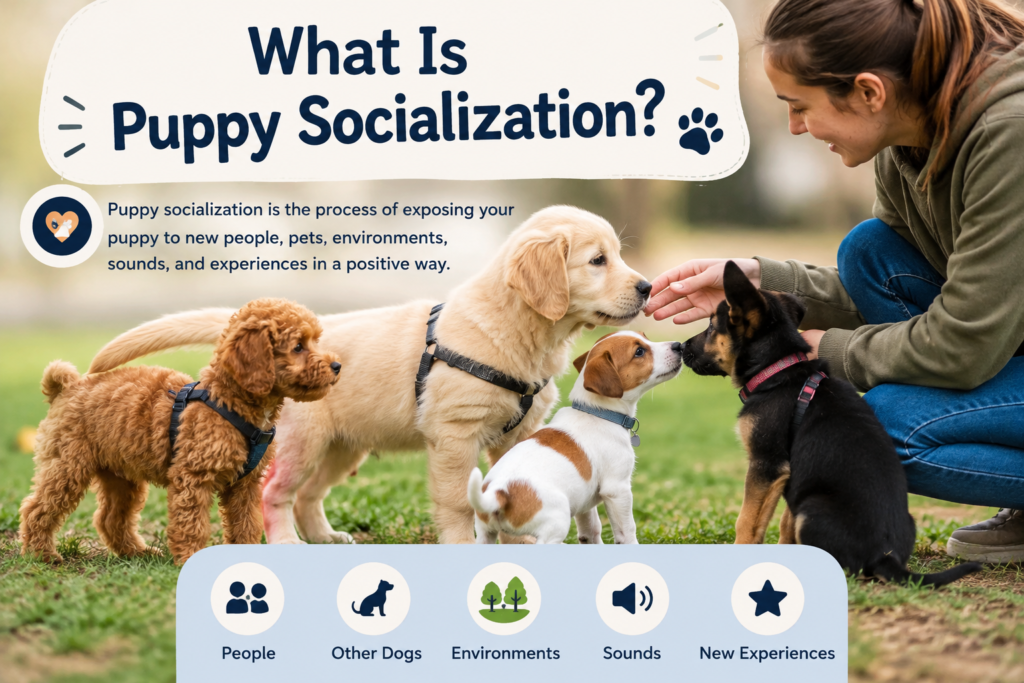
how to socialize a puppy .Puppy socialization is the process of exposing your puppy to new experiences safely and positively. This includes meeting new people, seeing other animals, hearing different sounds, and visiting new places.
how to socialize a puppy The goal is simple. You want your puppy to see the world as a friendly, safe place, not as something scary. When you socialize a puppy the right way, you help them build confidence. A well-socialized puppy grows into a dog who does not panic around loud noises, strangers, or busy streets.
Why Puppy Socialization Matters
Many new pet owners ask why socialization is such a big deal. Here is the simple answer. Puppies who are not socialized often grow up fearful, anxious, or even aggressive. This can lead to problems like excessive barking, biting, or hiding from guests.
On the other hand, a properly socialized puppy tends to be:
- Calmer around strangers and other animals
- Easier to train
- Less likely to develop fear-based behavior problems
- More comfortable in new environments like the vet or groomer
Behavior experts agree that early socialization plays a major role in a dog’s long-term mental health. If you want to raise a stable and friendly dog, learning how to socialize a puppy correctly should be one of your top priorities.
When to Start Socializing a Puppy
Timing matters a lot when it comes to puppy socialization. The ideal window to socialize a puppy is between 3 and 14 weeks of age. This is often called the critical socialization period.During this stage, puppies are naturally curious and less fearful. This makes it the perfect time to introduce them to new sights, sounds, and experiences.
Waiting too long can make socialization harder, since older puppies may become more cautious or fearful of unfamiliar things.If your puppy is not fully vaccinated yet, you can still begin gentle, safe socialization at home. Just avoid high-risk areas like dog parks until your vet gives the green light.
The Puppy Socialization Checklist
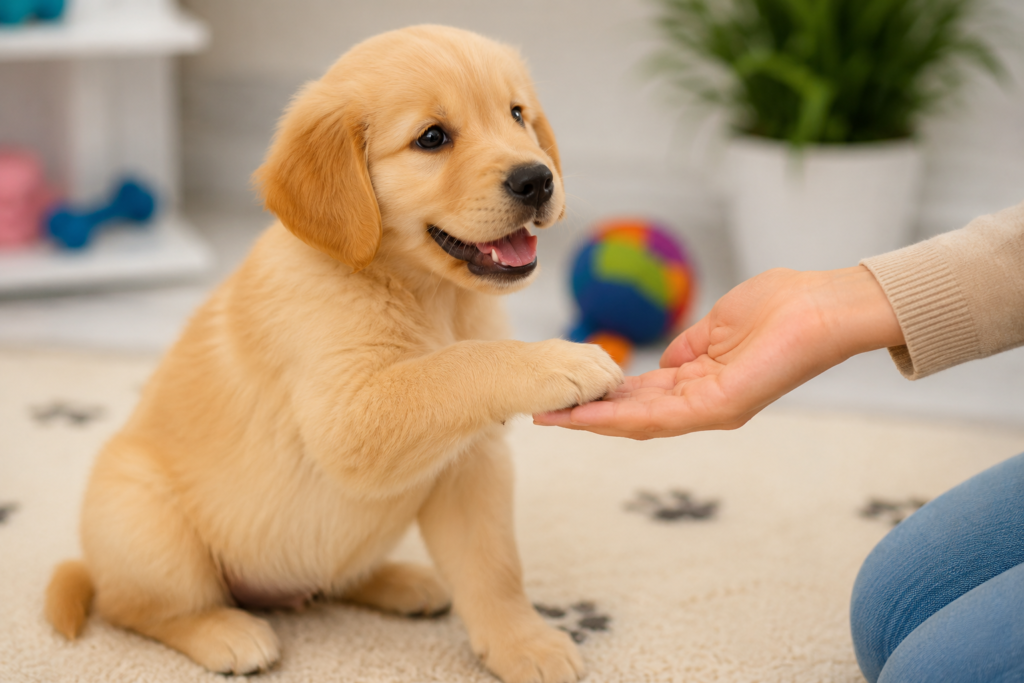
A helpful way to socialize a puppy is to work through a checklist of experiences. Try to introduce your puppy to each of the following in small, positive doses:
- People of different ages, heights, and appearances
- Other friendly, vaccinated dogs
- Different surfaces like grass, tile, and gravel
- Everyday sounds like vacuums, doorbells, and traffic
- Car rides
- Being handled, including paws, ears, and mouth
- Wearing a collar, harness, and leash
- Crate time and being left alone briefly
Going through this checklist slowly over several weeks will help you socialize a puppy without overwhelming them. For more detailed training routines, check out our guide to puppy training tips for pairing socialization with basic obedience.
How to Socialize a Puppy at Home
You do not need to leave the house to start socializing with your puppy. In fact, home is the safest place to begin.
Start by introducing new sounds using recordings of thunderstorms, fireworks, or vacuum cleaners at a low volume. Gradually increase the volume as your puppy stays relaxed. Let your puppy explore different textures around the house, such as bubble wrap, rugs, or wood floors.
Invite a few calm friends or family members over so your puppy can meet new faces. Keep these visits short and positive, using treats and praise to build good associations.This early stage of learning how to socialize a puppy at home builds a strong foundation before you move on to public outings.
How to Socialize a Puppy with Other Dogs

Meeting other dogs is a key part of puppy socialization. However, safety comes first. Only let your puppy interact with dogs you know are healthy, vaccinated, and friendly. Puppy playgroups or puppy kindergarten classes are excellent choices.
These classes are usually run by trainers who understand how to socialize a puppy in a controlled setting. Your puppy can practice good manners while playing with other pups their own age.
Watch your puppy’s body language during these meetings. Relaxed ears, a wagging tail, and playful bowing are good signs. If your puppy hides or growls, give them space and try again later with a calmer dog.
If you are still deciding which breed fits your lifestyle before adding a second dog to the mix, our article on best dog breeds for families can help. This sets the ground rule before anything else. Meeting other dogs helps a puppy learn good social skills, but only if the interaction is safe.
Vaccinated (protects your puppy, especially since puppies aren’t fully protected until their vaccine series is complete).Friendly (a bad first experience with an aggressive dog can create lasting fear)
This recommends puppy playgroups or puppy kindergarten classes as the ideal way to let a puppy meet other dogs. The reasoning is that these classes are supervised by a trainer, so play stays controlled and doesn’t spiral into overwhelming or rough behavior.
It also points out that puppies matched with similarly aged puppies tend to play more appropriately, since a boisterous adult dog could scare or overwhelm a small puppy.
How to Socialize a Puppy with People
Puppies need to meet many different types of people to feel comfortable later in life. This includes children, elderly people, people wearing hats or sunglasses, and people using wheelchairs or strollers.
Here are a few tips for successful introductions:
- Ask visitors to let your puppy approach them first.
- Use treats to reward calm, friendly behavior.
- Avoid forcing interactions if your puppy seems nervous.
- Keep first meetings short and positive.
The more positive experiences your puppy has with different people, the more confident they will become. This is one of the most important parts of learning how to socialize a puppy successfully.
How to Socialize a Puppy in Public Places
Once your puppy has had some vaccinations and your vet approves, it is time to explore the outside world. Start with quiet places like a friend’s backyard or a calm park before moving to busier areas.
Good places to visit include:
- Pet-friendly stores
- Outdoor cafes
- Quiet parks
- Friends’ homes
- Car rides to new locations
Take things slow. If your puppy seems scared, do not push them further. Instead, give them time to observe from a distance, then reward calm behavior with treats.
Regular vet visits are also part of the process. Learning how your puppy handles car rides and unfamiliar environments like the clinic is easier when paired with a proper puppy vaccination schedule, so speak with your vet about timing your outings safely.
Puppy Socialization Timeline by Week
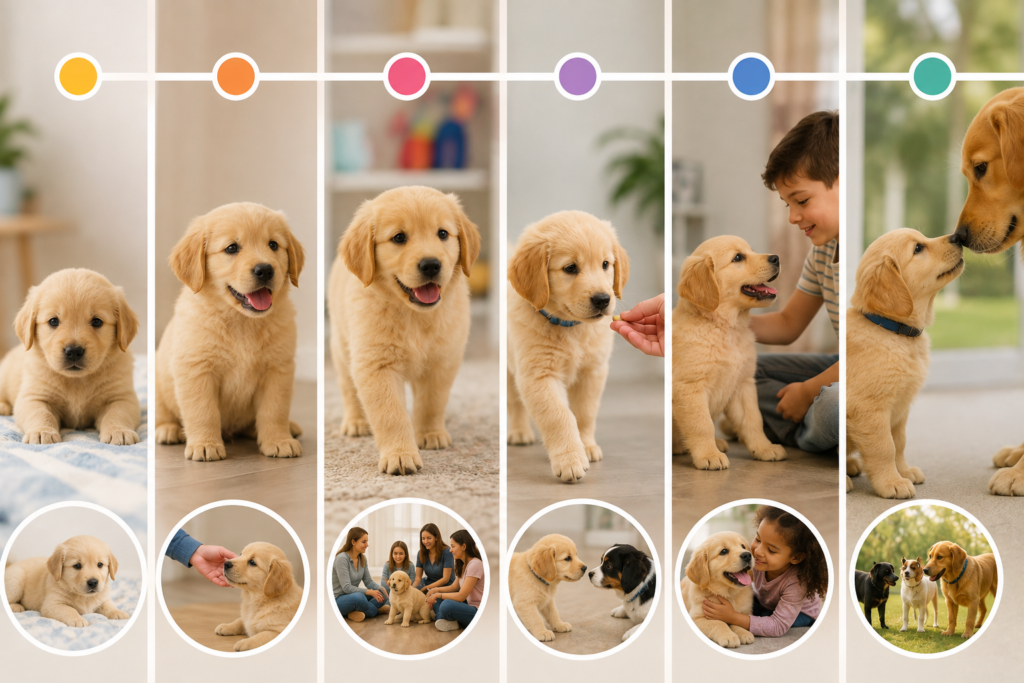
Here is a simple week-by-week breakdown to help guide your efforts:
Weeks 3 to 7: Puppy is still with the breeder or mother. Early handling and gentle exposure begin here.
Weeks 8 to 10: Puppy comes home. Focus on household sounds, new people, and gentle handling.
Weeks 10 to 12: Begin short, safe outings and introduce your puppy to vaccinated dogs.
Weeks 12 to 14: Increase exposure to public places, different surfaces, and more people.
Weeks 14 and beyond: Continue regular socialization to maintain confidence as your puppy grows.
Following this timeline makes it much easier to socialize a puppy in a structured, stress-free way.
Common Mistakes to Avoid When Socializing a Puppy
Even well-meaning pet owners make mistakes during this process. Watch out for these common errors:
- Moving too fast and overwhelming your puppy
- Forcing interactions when your puppy is scared
- Skipping socialization because of vaccination worries
- Only exposing your puppy to one type of person or environment.
- Punishing fearful behavior instead of redirecting it calmly
Avoiding these mistakes will help you socialize a puppy in a way that builds trust instead of fear.
According to the American Veterinary Society of Animal Behavior, the first three months of a puppy’s life are the most important window for safe and effective socialization, and waiting until vaccinations are fully complete can actually do more harm than good.
Signs Your Puppy Is Socializing Well
You will know your efforts are paying off when your puppy shows these signs:
- Approaches new people and dogs with curiosity, not fear
- Recovers quickly after a startling sound or event
- Plays comfortably with other vaccinated puppies
- Stays relaxed during car rides and vet visits.
- Adjusts well to new environments within a few minutes
If you notice ongoing fear or aggression, consider working with a certified dog trainer or veterinary behaviorist for extra support.
Frequently Asked Questions
What is the best age to socialize a puppy?
The best age to start is between 3 and 14 weeks old. This is the critical window when puppies are most open to new experiences without fear.
Can I socialize my puppy before vaccinations are complete?
Yes. You can safely socialize your puppy at home and around healthy, vaccinated dogs before their shots are finished. Just avoid high-risk areas like dog parks until fully vaccinated.
How many new experiences should a puppy have each week?
Aim for a few new, positive experiences each week rather than overwhelming your puppy all at once. Quality matters more than quantity.
What happens if I do not socialize my puppy?
Puppies who miss out on socialization are more likely to develop fear, anxiety, or aggression as adults. This can make everyday situations stressful for both the dog and owner.
Is it too late to socialize an older puppy or adult dog?
It is never too late to start, but it does take more patience. Older dogs may need slower, more gradual exposure compared to young puppies.
How long does puppy socialization take?
While the critical period lasts through about 14 weeks, socialization should continue throughout your dog’s first year and beyond to maintain confidence.
Final Thoughts
Learning how to socialize a puppy is one of the best gifts you can give your new companion. A little patience and consistency during these early weeks can shape your puppy into a confident, friendly, and well-adjusted dog for life.
Start small, stay positive, and celebrate every new experience your puppy handles well. Over time, you will see your puppy grow into a calm and happy companion who feels at ease in almost any situation.

Puppy Obedience Training 101: A Beginner’s Guide to Raising a Well-Mannered Dog

Common Dog Behavior Problems and How to Fix Them

Puppy Commands for Off-Leash Safety: What Every Owner Needs

Best Age to Start Leash Training a Puppy for Calm Behavior

How to Fix Puppy Behavior Using Gentle Training

puppy-obedience-training-commands/Puppy Training Tips: A Complete Step-by-Step Guide for Beginners

Puppy Obedience Training 101: A Beginner’s Guide to Raising a Well-Mannered Dog
Common Dog Behavior Problems and How to Fix Them
Puppy Commands for Off-Leash Safety: What Every Owner Needs
Best Age to Start Leash Training a Puppy for Calm Behavior
How to Fix Puppy Behavior Using Gentle Training