
Dog Obedience Training
Obedience Training for Dogs: 10 Proven Steps for Fast Results


Obedience training for dogs is the foundation of a well-behaved, confident, and happy companion. Every dog owner dreams of a pet that listens the first time, walks calmly on a leash, and behaves well around guests, other animals, and new environments.
That dream is not out of reach; it simply requires the right approach. When done correctly, obedience training strengthens the bond between you and your dog while making everyday life significantly easier.
In this guide, we will walk you through ten proven, easy-to-follow steps that deliver fast, lasting results. Whether you have a new puppy or an adult dog that needs a refresher, these strategies are designed to work for every breed, age, and personality type.
What Is Obedience Training for Dogs?
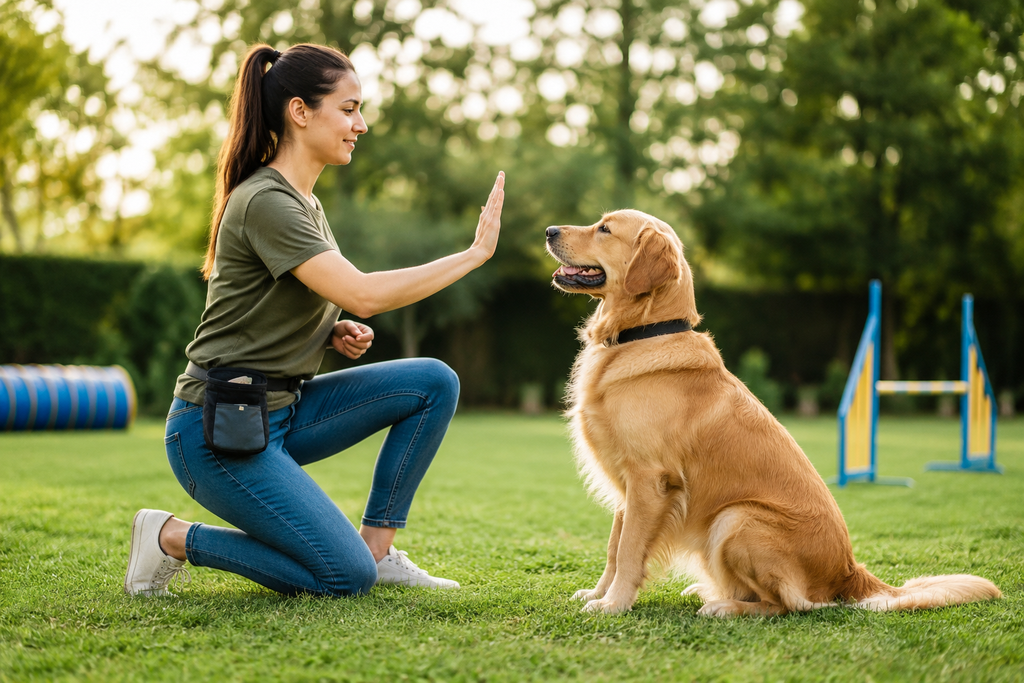
Obedience training for dogs is the process of teaching a dog to follow specific commands and behave appropriately in different situations. It goes beyond basic tricks; it builds communication, trust, and structure between the dog and its owner.
A dog that has gone through proper obedience training understands boundaries, responds to cues like “sit, stay, come, and leave it,” and is far less likely to develop behavioral problems such as excessive barking, jumping, or aggression.
Obedience training isn’t just about discipline. It’s about creating a shared language between you and your dog so you both feel safe, confident, and connected.
Why Obedience Training Matters

Before diving into the steps, it helps to understand why obedience training should be a priority for every dog owner:
- Safety: A dog that responds instantly to “stay” or “come” is safer around traffic, strangers, and other animals.
- Better Behavior: Trained dogs are less likely to chew furniture, bark excessively, or act aggressively.
- Stronger Bond: Training sessions build trust and improve communication between you and your dog.
- Public Confidence: A well-trained dog can be taken to parks, cafes, and social gatherings without stress.
- Mental Stimulation: Training exercises the brain, reducing boredom-related destructive behavior.
Now, let’s look at the ten proven steps that make obedience training effective and efficient.
1. Start With Short, Consistent Sessions
One of the biggest mistakes new dog owners make is trying to cram too much into a single training session. Dogs, especially puppies, have short attention spans. Sessions lasting 5 to 10 minutes, repeated two to three times a day, are far more effective than one long 30-minute session.
Consistency is key. Train at the same times each day, use the same commands, and stick to the same tone of voice. This predictability helps your dog understand what is expected of them and speeds up the learning process significantly.
2. Use Positive Reinforcement
Positive reinforcement is widely regarded as the most effective and humane method of obedience training. According to the American Kennel Club, this involves rewarding your dog immediately after they perform the desired behavior, using treats, praise, or playtime.
Avoid punishment-based methods, as they can create fear, anxiety, and even aggression in dogs. Instead, consistently reward good behavior. Over time, your dog will begin associating obedience with positive outcomes, making them more eager to follow commands.
3. Master the Core Commands First
Before moving on to advanced training, your dog should have a solid grasp of the core obedience commands:
- Sit – The foundation of most other commands.
- Stay – Teaches self-control and patience.
- Come – Essential for safety, especially off-leash.
- Down – Useful for calming an excited dog.
- Leave It – Prevents dogs from picking up dangerous or unwanted items.
Focus on one command at a time until your dog responds reliably, even with distractions present, before introducing a new one. If you’re starting with a young dog, our guide on how to teach puppy commands breaks this down step-by-step for beginners.
4. Use Clear and Consistent Cues
Dogs respond best to clear, consistent verbal cues paired with hand signals. Avoid changing the wording of commands (for example, switching between “down” and “lie down”), as this confuses your dog and slows progress.
Keep your commands short one or two words and always use the same hand gesture alongside the verbal cue. This dual approach reinforces learning and is especially helpful for dogs that are hard of hearing or in noisy environments.
5. Practice in Different Environments
A dog that obeys perfectly at home but ignores commands outside is not fully trained. Dogs don’t automatically generalize behavior across different settings, so it’s important to practice obedience commands in a variety of locations the backyard, the park, a busy sidewalk, or a friend’s house.
Start in a low-distraction environment, then gradually introduce more challenging settings as your dog’s reliability improves. This step is crucial for building a dog that listens everywhere, not just in familiar surroundings.
6. Gradually Increase Distractions
Once your dog has mastered commands in a quiet setting, it’s time to add distractions. This could include other dogs, people walking by, loud noises, or enticing smells. Introduce distractions slowly and reward your dog for maintaining focus despite them.
This step teaches your dog impulse control, which is one of the most valuable skills in obedience training. A dog that can stay focused amid distractions is far easier to manage in real-world situations.
7. Be Patient and Avoid Frustration
Training takes time, and every dog learns at a different pace. Some dogs may pick up commands within days, while others need weeks of consistent practice. Getting frustrated or raising your voice can damage trust and slow down progress.
If a training session isn’t going well, it’s better to end on a positive note with an easy command your dog already knows, rather than pushing through frustration. Patience is one of the most underrated tools in successful obedience training.
If your dog seems stuck despite consistent effort, take a look at our article on why your dog is not learning commands, along with common causes and fixes.
8. Involve the Whole Family
If multiple people live in the household, everyone should be involved in the training process and use the same commands and rules. Inconsistent expectations where one family member allows behavior that another corrects can confuse your dog and undo progress.
Hold a short family meeting to align on commands, rules, and rewards before starting the training journey. This ensures your dog receives consistent guidance no matter who is handling them.
9. Use a Clicker for Precision Training
Clicker training is a popular and highly effective obedience training method. The clicker produces a distinct sound that marks the exact moment your dog performs the correct behavior, followed immediately by a reward.
This precision helps dogs understand exactly which action earned them the reward, speeding up the learning process. Clicker training is especially useful for teaching more complex behaviors and refining existing commands. If you’d like a deeper breakdown of this method, check out our full guide on the benefits of clicker training for new dog owners.
10. Reinforce Training Throughout Your Dog’s Life
Obedience training isn’t a one-time event; it’s an ongoing process. Even after your dog masters the basics, occasional refresher sessions help maintain good behavior over the long term. Dogs, like humans, can forget skills they don’t practice regularly.
Incorporate commands into daily routines, such as asking your dog to sit before meals or stay before crossing the street. This keeps their skills sharp and reinforces obedience as a natural part of everyday life.
Common Mistakes to Avoid During Obedience Training
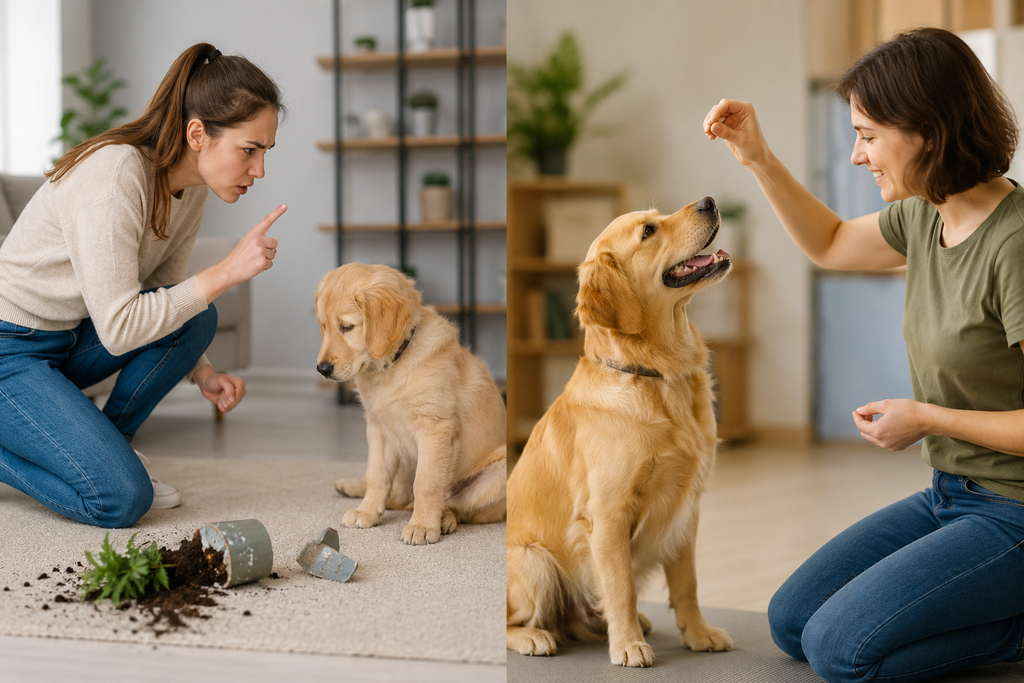
Even well-intentioned owners can slow down their dog’s progress by making a few common mistakes:
- Inconsistent commands or rules between family members
- Training for too long, causing the dog to lose focus and interest
- Skipping distraction training, leading to poor real-world reliability
- Using punishment instead of positive reinforcement
- Expecting perfection too quickly without allowing time for practice
Avoiding these pitfalls will help you see faster, more reliable results from your training efforts.
How Long Does Obedience Training Take?
The timeline for obedience training varies depending on the dog’s age, breed, temperament, and consistency of training. On average:Puppies can learn basic commands within 4 to 6 weeks of consistent daily practice.
If you’re working with a particularly difficult pup, our guide on stubborn puppy training offers targeted strategies.Adult dogs may take slightly longer, especially if they have existing behavioral habits to unlearn.
- Advanced obedience and off-leash reliability can take several months of ongoing practice.
Remember, obedience training is not a race. The goal is long-term, reliable behavior rather than quick but shallow results.
Should You Consider Professional Obedience Training?

While many owners successfully train their dogs at home, some situations call for professional help, particularly if your dog shows signs of aggression, severe anxiety, or if you’re struggling to see progress despite consistent effort.
The ASPCA notes that persistent behavioral issues often benefit from a certified professional’s evaluation. Professional trainers can offer personalized guidance, identify underlying behavioral issues, and speed up the training process significantly.
That said, even with professional training, ongoing reinforcement at home remains essential to maintain results. Curious about pricing? Our detailed breakdown of how much dog obedience training costs in 2026 can help you budget accordingly.
Frequently Asked Questions
1. At what age should I start obedience training my dog?
You can start basic obedience training as early as 7-8 weeks old. Puppies are capable of learning simple commands like “sit” and “come” from a young age, though full attention span and reliability develop over several months.
2. Can older dogs still learn obedience training?
Yes. While puppies tend to learn faster, adult and senior dogs are fully capable of learning obedience commands. It may simply take a bit more patience and repetition, especially if the dog has developed existing habits.
3. How often should I train my dog each day?
Short sessions of 5 to 10 minutes, two to three times per day, are generally more effective than one long session. This keeps your dog engaged without causing mental fatigue.
4. Is obedience training the same as behavior training?
Not exactly. Obedience training focuses on teaching specific commands, while behavior training addresses underlying issues like anxiety, aggression, or fear. Many dogs benefit from a combination of both.
5. Do I need professional help, or can I train my dog myself?
Most basic obedience training can be done at home with consistency and patience. However, dogs showing signs of aggression, severe anxiety, or reactivity often benefit from guidance by a certified professional trainer, as outlined by the Association of Professional Dog Trainers.
6. What’s the best reward to use during training?
This depends on your dog’s motivation. Small, soft treats work well for most dogs, though praise, toys, or playtime can be equally effective rewards, especially for less food-motivated dogs.
Final Thoughts
Obedience training for dogs is one of the most rewarding investments you can make as a pet owner. It builds a foundation of trust, safety, and communication that benefits both you and your dog for years to come.
By following these ten proven steps, starting with short sessions, using positive reinforcement, mastering core commands, and gradually introducing distractions, you’ll set your dog up for lasting success.
Remember, every dog is different, and progress may look different from one pet to another. Stay patient, stay consistent, and celebrate small wins along the way. With time and dedication, you’ll have a dog that not only listens but genuinely enjoys the process of learning alongside you.

Puppy Obedience Training 101: A Beginner’s Guide to Raising a Well-Mannered Dog

Common Dog Behavior Problems and How to Fix Them

Puppy Commands for Off-Leash Safety: What Every Owner Needs

Best Age to Start Leash Training a Puppy for Calm Behavior

How to Fix Puppy Behavior Using Gentle Training

puppy-obedience-training-commands/Puppy Training Tips: A Complete Step-by-Step Guide for Beginners

Puppy Obedience Training 101: A Beginner’s Guide to Raising a Well-Mannered Dog
Common Dog Behavior Problems and How to Fix Them
Puppy Commands for Off-Leash Safety: What Every Owner Needs
Best Age to Start Leash Training a Puppy for Calm Behavior
How to Fix Puppy Behavior Using Gentle Training