
Dog Training
How to Socialize Your Dog Properly at Home and Outdoors

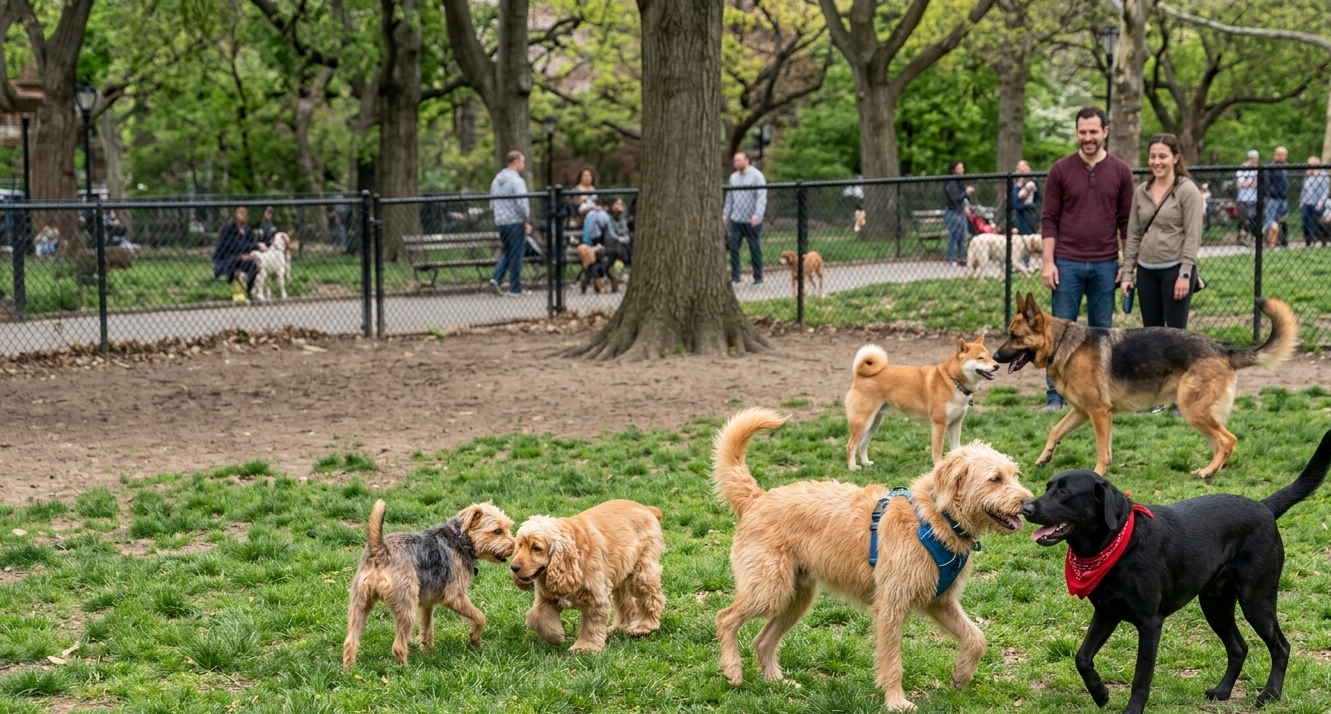
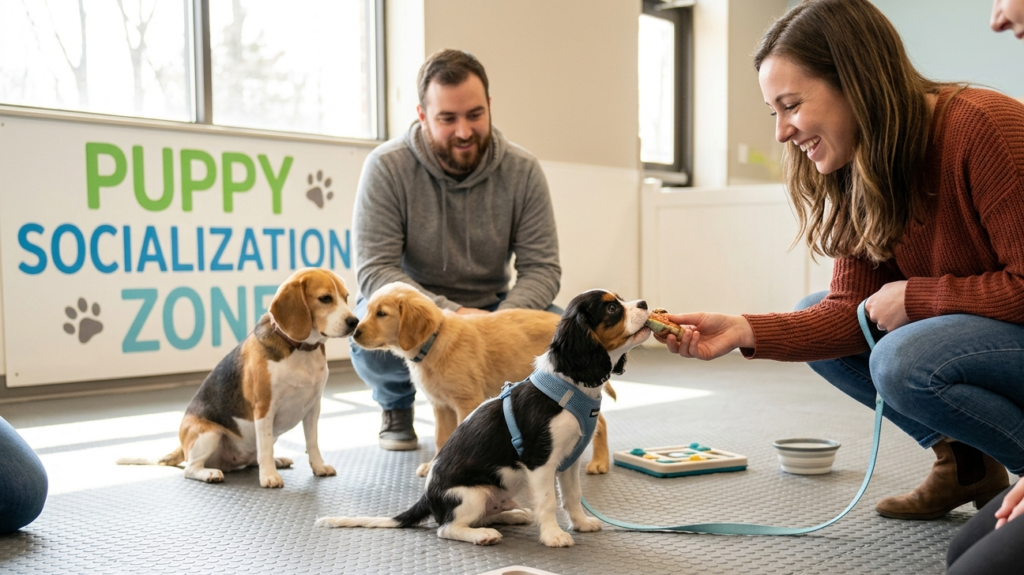
Socializing a dog during the first few months of life sets them up for success as they integrate into the world. It helps dogs become acclimated to the various sights, sounds, scents, and inhabitants, people, things, and other animals they will come into contact with throughout their lives.
Socialize your dog helps dogs feel comfortable in the human world. Many dogs develop anxiety when they miss out on positive experiences or exposure to different people, locations, sounds, and items during their upbringing, making everyday events like meeting new people challenging.
Socialize your dog Here are some dog socialization strategies to help prevent this. Dogs must learn to socialize with people, other animals, and the outside world in addition to being fed, petted, played with, and housebroken when they are brought to their forever home. Dog socialization can help with this.
Dog socialization tips
Socialize your dog it’s important to avoid “flooding “your dog when socializing them or exposing them to new situations. If you give your dog a lot of new things at once, they may develop a bad connection with the item or experience, which could lead to a fear that lasts a lifetime.
Any change, like moving to a new home or city, can be very difficult for a dog that has had little exposure to the outside world. These kinds of dogs frequently struggle greatly to adapt to their new surroundings when they wind up in shelters.
When routines are disrupted, some dogs become fearful and withdrawn, even if they were previously friendly. Without support, they may be labeled unsuitable as family pets until they build better social skills.
Teaching these canines that the world isn’t as frightening as it seems is one way we might help them. In order to accomplish this, we must assist children in having a range of experiences that make them feel secure and content:
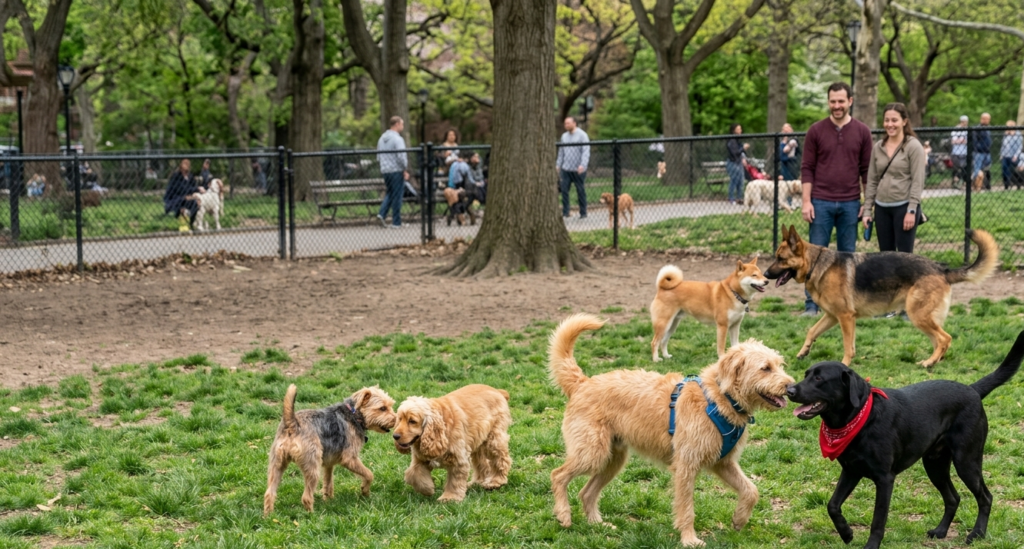
To help a dog feel safe
Work at a level of intensity that is completely at home for the dog. Increasing the distance, time, size, and volume are some of the ways you can lessen the severity of a trigger (whatever new thing you’re exposing the dog to). You can tell if a dog is at ease by observing their body language. Reduce the trigger’s intensity if the dog appears even slightly uncomfortable.
To help a dog feel happy
Make the trigger anticipate something the dog will enjoy, like a special food reward. Give the dog a unique goodie each time they encounter the trigger. With repeated exposure, the dog will learn that the frightening object is a sign that a treat is on the way, and they will begin to feel better about it.
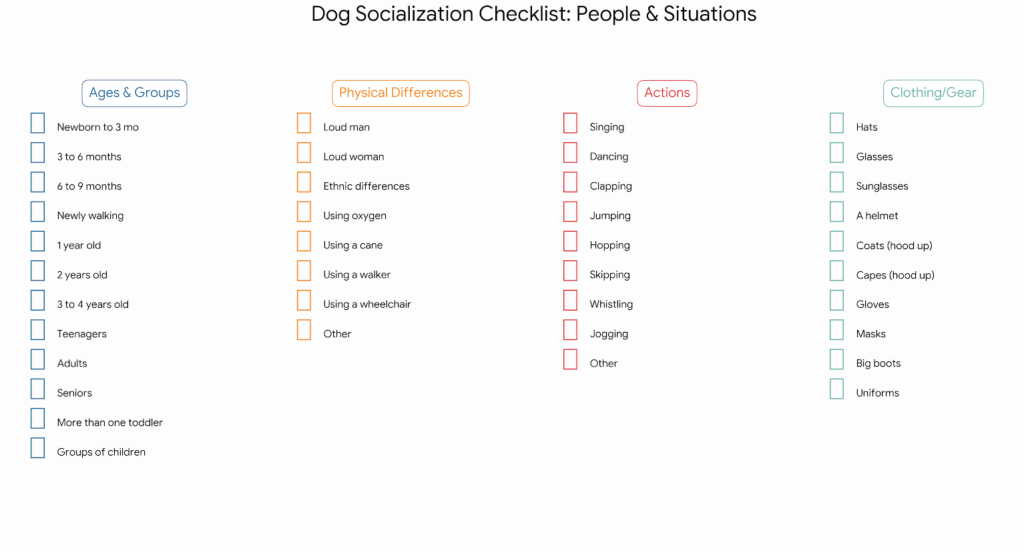
Introducing dogs to people
Introducing dogs to other animals
| Introduction | Primary Strategy | Goal Behavior |
| Cats | Barriers (Baby gates) | Calm Disinterest: Dog ignores cat. |
| Kittens | Short Leash + High Ground | Safety: No chasing or pouncing. |
| Dogs | Parallel Walking | Neutrality: Walking together calmly. |
| Puppies | Supervised play intervals | Respect: Puppy heeds “stop” signals. |
| Horses | Distance Desensitization | Focus: Dog stays on “Leave It.” |
| Small Pets | Absolute Separation | Containment: No access to cages. |
How to Socialize a Dog With Other Dogs
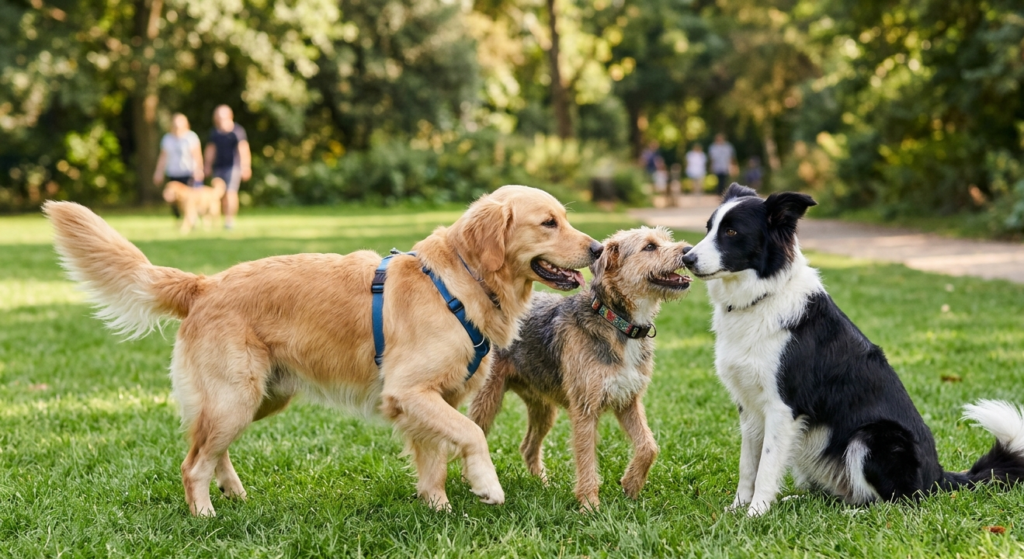
When it comes to socializing dogs, exercise caution. While pups typically like playing with other puppies, some adult dogs who were not properly socialized at a younger age may find the urge to play with other dogs to be distressing.
socialize your is Initially, it can be better to keep your dog near you and give them a treat if they sit calmly as other dogs go by. You may diffuse potentially tense situations with other dogs by teaching your dog the crucial commands “come,” “sit,” and “look at me.
Additionally, stay away from dog parks when you’re young. They can be stressful, and your puppy might have a negative experience that affects them for the rest of their life. An excellent substitute for a dog park is a puppy class with dogs your own age.
When Should I Start Socializing My Dog?
socialize your Dogs usually start to show interest in new environments at about three weeks of age. They start to comprehend what constitutes typical dog behavior between 12 and 16 weeks. Additionally, they are more responsive to your boundaries.
What is the 7 7 7 rule for dogs?
Socialize your dog with 7-7-7 rule for dogs is a simple guideline that explains how dogs typically adjust to a new home, especially after adoption. It breaks the adjustment period into three key stages:
Socialize your dog First 7 Days – “Feeling Overwhelmed”
During the first week, your dog is likely:
Nervous, scared, or unsure
Quiet or even withdrawn
Not eating much or having digestive issues.
Keep things calm and quiet.
Give them space
- Start a simple routine (feeding, potty, sleep)
Next 7 Weeks – “Settling In”
Now your dog begins to:
- Feel more comfortable
- Show their real personality.
- Start testing boundaries
- Begin basic training
- Use positive reinforcement
- Stay consistent with rules and routine.
Next 7 Months – “Fully Adjusted”
By this stage, your dog:
- Trusts you and feels secure
- Has built a strong bond
- Understands your expectations
How do you properly socialize your dog?
Properly socializing your dog means helping them feel safe and confident around new people, animals, environments, and experiences—without fear or aggression. Done correctly, it leads to a calm, well-behaved dog.
1. Start Early (If Possible)
The best time to socialize a dog is during puppyhood (3–14 weeks), but adult dogs can learn too just more gradually. Early exposure helps prevent fear-based behaviors later.
2. Introduce New Experiences Slowly
Don’t overwhelm your dog. Start with:
- One new person at a time
- Calm, friendly dogs
- Quiet environments before busy places
3. Use Positive Reinforcement
Reward good behavior with:
Treats
Praise
Toys
4. Expose Them to Different Environments
Gradually introduce your dog to:
- Parks
- Streets with traffic
- Different surfaces (grass, tiles, sand)
- Sounds (cars, kids, doorbells)
5. Practice Controlled Dog Interactions
Choose well-behaved, vaccinated dogs.
Keep initial meetings short
Watch body language (no stiff posture, growling, or hiding)
6. Teach Basic Obedience First
Commands like:
- Sit
- Stay
- Come
7. Stay Calm and Patient
Dogs pick up on your energy. If you’re anxious, your dog will be too.
Be relaxed, confident, and consistent.
What is “I love you” in dog language?
Dogs don’t use words like humans, but they communicate love through behavior, body language, and actions. When you understand these signs, you can both “say” and recognize “I love you” in dog language.
How Dogs Say “I Love You”
1. Soft Eye Contact
When your dog looks at you with relaxed, gentle eyes (not staring aggressively), it means trust and love.
2. Tail Wagging (Full Body Wiggle)
A loose, happy wag, especially when their whole body moves, means they’re excited and happy to see you.
3. Following You Everywhere
If your dog follows you from room to room, it shows:
Attachment
Trust
Comfort
4. Leaning or Cuddling
When your dog leans on you or snuggles close, it’s a sign of:
Affection
Security
5. Licking You
Dogs lick as a natural bonding behavior.
It can mean: “I care about you” or “You’re part of my family.”
6. Bringing You Toys
When your dog brings you their favorite toy, they’re:
- Sharing something valuable
- Inviting you to interact
7. Excited Greetings
Jumping, wagging, when you return home means:
“I missed you so much!”
What is the 3-3-3 rule with dogs?
Socialize your dog with 3-3-3 rule for dogs is a popular guideline that explains how dogs adjust to a new home after adoption. It breaks the transition into three stages over time, helping owners understand what their dog may be feeling.
First 3 Days – Feeling Overwhelmed
In the first 3 days, your dog may:
Feel scared, anxious, or confused.
Hide, avoid interaction, or seem quiet.
Do not eat much or have an upset stomach.
First 3 Weeks – Settling In
After a few weeks, your dog will:
- Start feeling more comfortable.
- Show more personality
- Begin testing boundaries
First 3 Months – Feeling at Home
By 3 months, your dog:
Builds trust and a strong bond with you
Feels secure in the new environment
Understands routines and expectations
Conclusion
Socializing your dog properly both at home and outdoors helps build confidence, reduce fear, and create a well-behaved companion. Starting early is ideal, but with patience and positive reinforcement, dogs of any age can learn to feel safe around people, other dogs, and new environments.
Following simple dog socialization tips, introducing dogs to people gradually, and allowing controlled interactions with other dogs all play a key role in shaping friendly behavior. Understanding adjustment timelines like the 3-3-3 rule and 7-7-7 rule for dogs also helps you stay patient during the process.
At the same time, recognizing signs of affection like eye contact, tail wagging, and closeness shows how dogs express “I love you” in their own language. With consistency, kindness, and proper guidance, you can build a strong bond and raise a happy, confident, and socially balanced dog.

Puppy Obedience Training 101: A Beginner’s Guide to Raising a Well-Mannered Dog

Common Dog Behavior Problems and How to Fix Them

Puppy Commands for Off-Leash Safety: What Every Owner Needs

Best Age to Start Leash Training a Puppy for Calm Behavior

How to Fix Puppy Behavior Using Gentle Training

puppy-obedience-training-commands/Puppy Training Tips: A Complete Step-by-Step Guide for Beginners

Puppy Obedience Training 101: A Beginner’s Guide to Raising a Well-Mannered Dog
Common Dog Behavior Problems and How to Fix Them
Puppy Commands for Off-Leash Safety: What Every Owner Needs
Best Age to Start Leash Training a Puppy for Calm Behavior
How to Fix Puppy Behavior Using Gentle Training