
Dog Training
Daily Pet Care Routine for Busy Owners: 10 Easy Tips

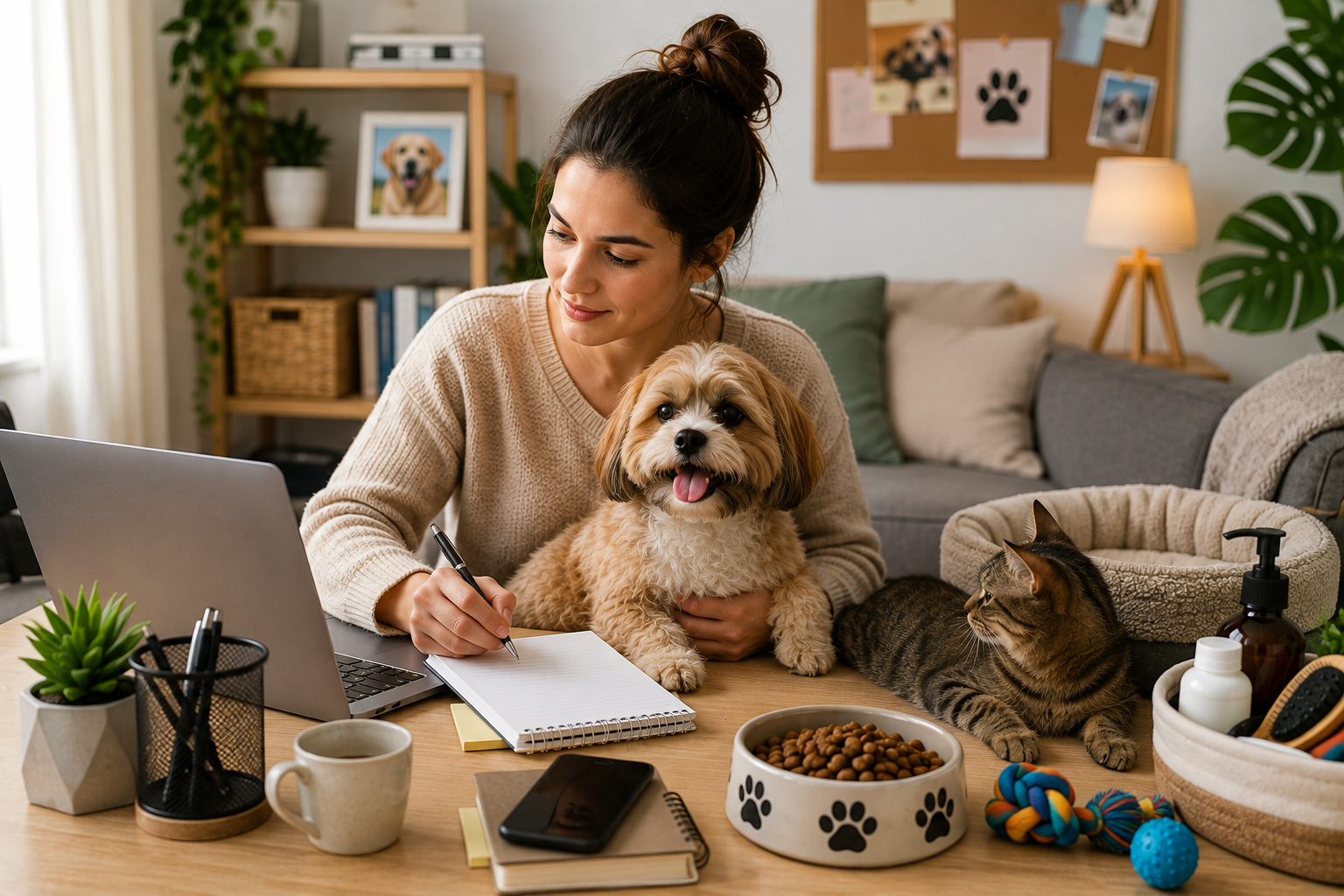
Owning a dog is one of life’s greatest joys, but let’s be honest between work deadlines, family responsibilities, and the never-ending to-do list, finding time for a proper pet care routine can feel overwhelming.
The good news? Taking great care of your dog doesn’t require hours of free time every day. With a little planning and a few smart habits, even the busiest pet parent can keep their furry friend happy, healthy, and well-loved.
In this guide, we’ll walk you through 10 easy, practical tips to build a daily pet care routine that fits into your hectic schedule without sacrificing your dog’s well-being. Whether you’re a first-time dog owner still figuring out the basics, or a longtime pet parent looking to streamline
your existing habits, these tips are designed to be realistic for real life, not the idealized routines you see in glossy magazine spreads.The truth is, most pet care experts agree that dogs don’t need hours of attention every day to thrive.
What they need is consistency. A dog that gets a short, reliable walk every morning and evening will often be happier and better behaved than one that gets a single, exhausting three-hour outing once a week. Small, repeated actions build trust, structure, and security for your pet and that’s exactly what this routine is built around.
Why a Daily Routine Matters for Your Dog
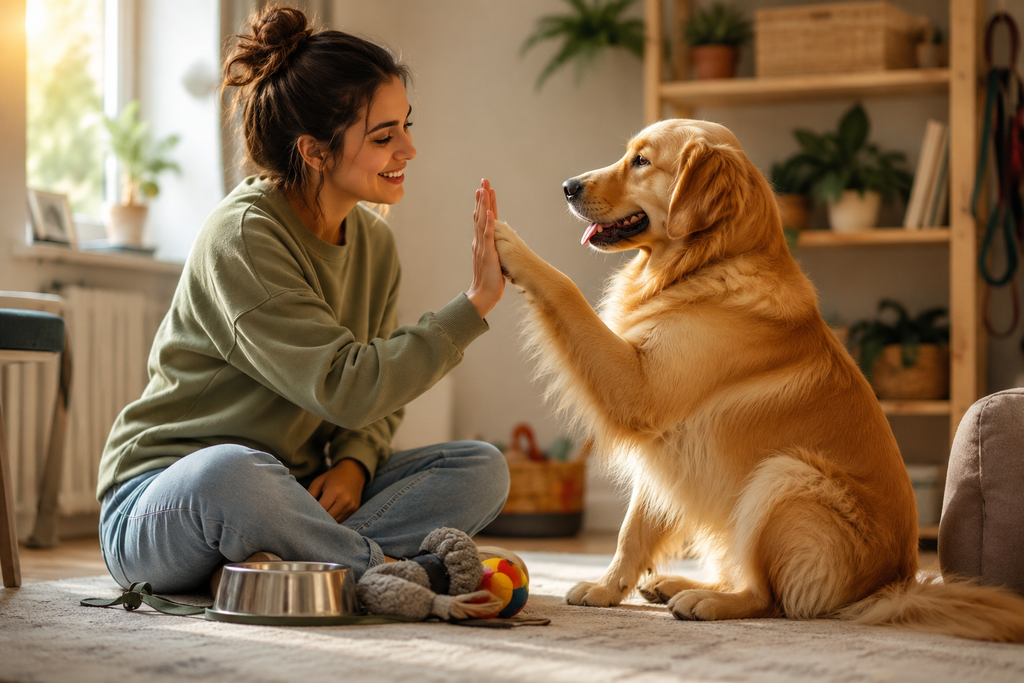
Dogs are creatures of habit. They thrive on predictability, and a consistent daily routine helps reduce anxiety, prevents behavioral issues, and keeps them physically fit. When you’re short on time, structure becomes even more important; it ensures nothing essential gets missed, even on your busiest days.
Let’s dive into the tips.
1. Start the Day with a Quick Morning Walk
Daily Pet Care Routine Mornings set the tone for your dog’s entire day. Even a brisk 15-20 minute walk before you head out gives your dog a chance to relieve themselves, burn off excess energy, and get some mental stimulation from sniffing around the neighborhood.
Dogs that don’t get morning exercise are more likely to develop destructive habits out of boredom while you’re away.If your schedule is extremely tight, consider waking up just 15 minutes earlier and building a short exercise routine into that time. This small adjustment can make a huge difference in your dog’s behavior throughout the day.
2. Feed on a Consistent Schedule
Dogs thrive on predictable feeding times. Try to feed your dog at the same times every day typically once or twice, depending on your vet’s recommendation and your dog’s age and breed. Consistent mealtimes help regulate digestion, prevent begging behavior, and make house-training easier for puppies.
Daily Pet Care Routine Prepping food the night before or using an automatic feeder can save precious minutes in the morning rush. According to the American Kennel Club, choosing the right dog food and sticking to a feeding schedule are two of the most important factors in a dog’s long-term health.
3. Keep Fresh Water Available at All Times
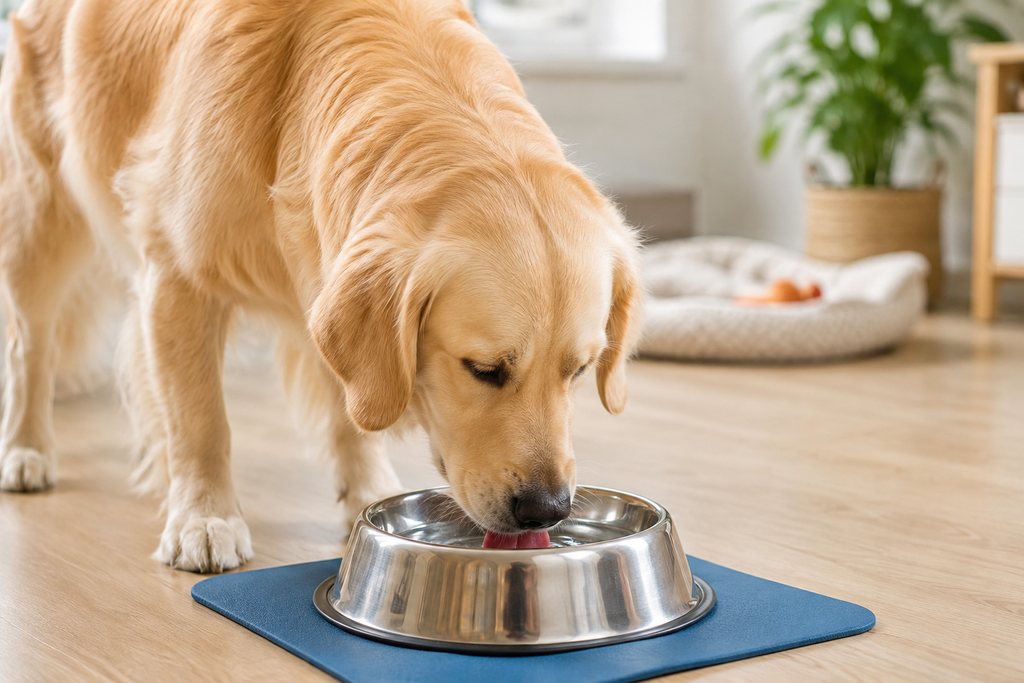
This one sounds obvious, but it’s easy to overlook when you’re rushing out the door. Make it a habit to check and refill your dog’s water bowl every morning and evening. Dehydration can sneak up quickly, especially in warmer months, and can lead to serious health issues.
A simple trick: place your dog’s water bowl somewhere you’ll naturally walk by, like near your coffee maker or the kitchen sink, so refilling it becomes second nature.If you have multiple pets or a larger home, consider placing a second water bowl in another room so your dog always has easy access, no matter where they’re resting.
Daily Pet Care Routine During hot weather or after vigorous exercise, check the bowl more frequently, as dogs can drink significantly more water than usual and bowls can run dry faster than you’d expect.
4. Use Meal Times for Quick Training
Since you’re already feeding your dog daily, why not turn mealtime into a mini training session? Asking your dog to “sit” or “stay” before placing the food bowl down takes just a few extra seconds but reinforces good behavior and mental discipline.
This is an easy way to sneak in obedience training without setting aside separate time.Over weeks and months, these small daily reinforcements add up to a well-mannered, obedient dog without ever needing a separate, dedicated training session.
5. Schedule a Midday Potty Break or Dog Walker
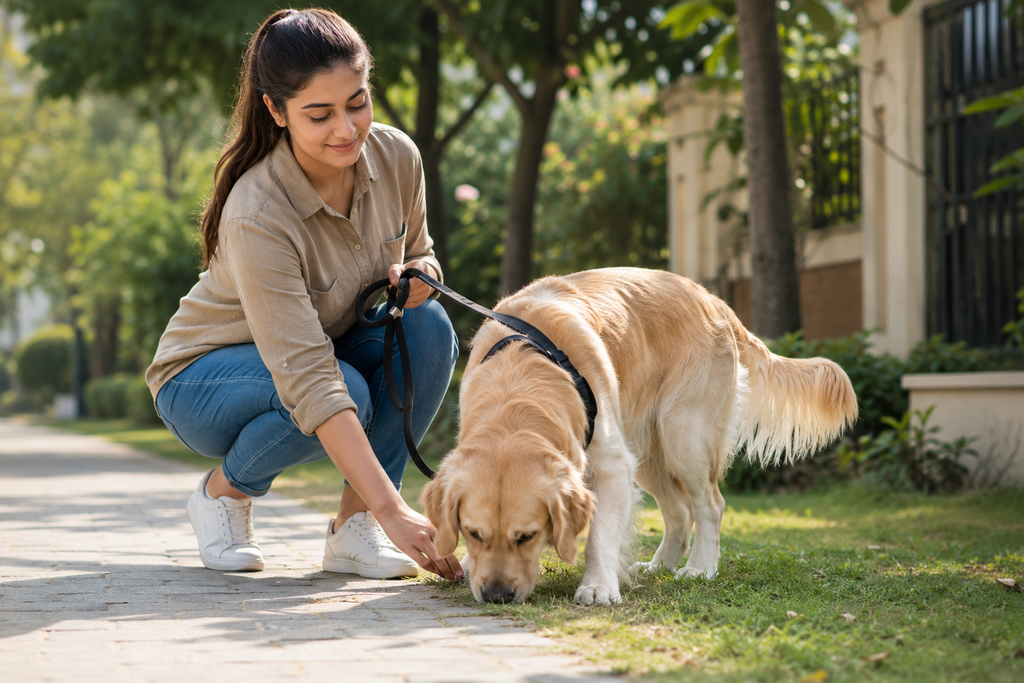
If you work long hours away from home, a midday bathroom break is essential especially for puppies, senior dogs, or dogs with smaller bladders. If you can’t make it home during lunch, consider hiring a dog walker, asking a neighbor for help, or using a pet-sitting app to arrange a quick visit.
Leaving a dog alone for more than 6-8 hours without a break isn’t ideal for their bladder health or mental well-being. The ASPCA notes that dogs left alone too long are more prone to separation anxiety and destructive behaviors, so a midday check-in
6. Groom in Small, Manageable Bursts
Daily Pet Care Routine Even a short one can make a big difference. Full grooming sessions can feel like a huge task, but daily grooming doesn’t have to be time-consuming. Spend just 2-3 minutes each day brushing your dog’s coat, checking their ears, and wiping their paws if they’ve been outside.
This prevents matting, reduces shedding around the house, and helps you catch skin issues, ticks, or infections early.
Think of it as a “mini spa moment” rather than a chore. Breaking dog grooming into small daily habits is far more manageable than trying to do it all in one long weekend session.
7. Prioritize 10-15 Minutes of Playtime
Physical exercise is important, but mental stimulation matters just as much. A short, focused play session fetch in the backyard, a tug-of-war game, or a puzzle toy helps prevent boredom and strengthens your bond with your dog.
If you’re truly pressed for time, interactive toys and treat-dispensing puzzles can keep your dog mentally engaged even when you’re busy with other tasks. Rotate a few different toys throughout the week to keep things interesting, since dogs much like people can get bored with the same activity day after day.
Playtime doesn’t always need to be high-energy, either. Scent games, where you hide small treats around a room for your dog to sniff out, are a fantastic low-impact way to tire out your dog’s brain, which is often just as effective as physical exercise for burning off restless energy.
8. Do a Quick Evening Walk and Wind-Down
Daily Pet Care Routine Just like the morning walk, an evening walk helps your dog release any pent-up energy from the day and prepares them for a restful night’s sleep. This doesn’t need to be a long trek; a 15-20 minute stroll around the block is often enough, especially if your dog already got exercise earlier in the day.
Evening walks also offer a great opportunity to unwind after your own workday. Many busy pet owners find this to be their favorite part of the daily routine, a chance to disconnect from screens and enjoy some fresh air with their companion.
9. Monitor Health Signs Daily
You don’t need to run a full health check every day, but a quick daily glance can help you catch problems early. While petting or brushing your dog, take note of:
- Any unusual lumps, bumps, or skin irritation
- Changes in appetite or water intake
- Energy levels that seem unusually low or high
- Coughing, sneezing, or discharge from eyes or nose
- Limping or difficulty moving
Catching these small health warning signs early can prevent minor issues from becoming serious problems. The American Veterinary Medical Association recommends regular at-home observation between vet visits as a key part of preventive pet care.
10. End the Day with Bonding Time
Daily Pet Care Routine for Busy schedules often mean our pets get the leftover scraps of our attention. Try to set aside at least 10 minutes each evening purely for bonding, no phone, no distractions. This could be cuddling on the couch, a gentle belly rub, or simply sitting together while you unwind.
This dedicated one-on-one time reassures your dog that they’re a priority, strengthens your relationship, and can even help reduce separation anxiety over time. Dogs are incredibly perceptive, and this small daily ritual goes a long way toward their emotional well-being.
Building a Routine That Actually Sticks
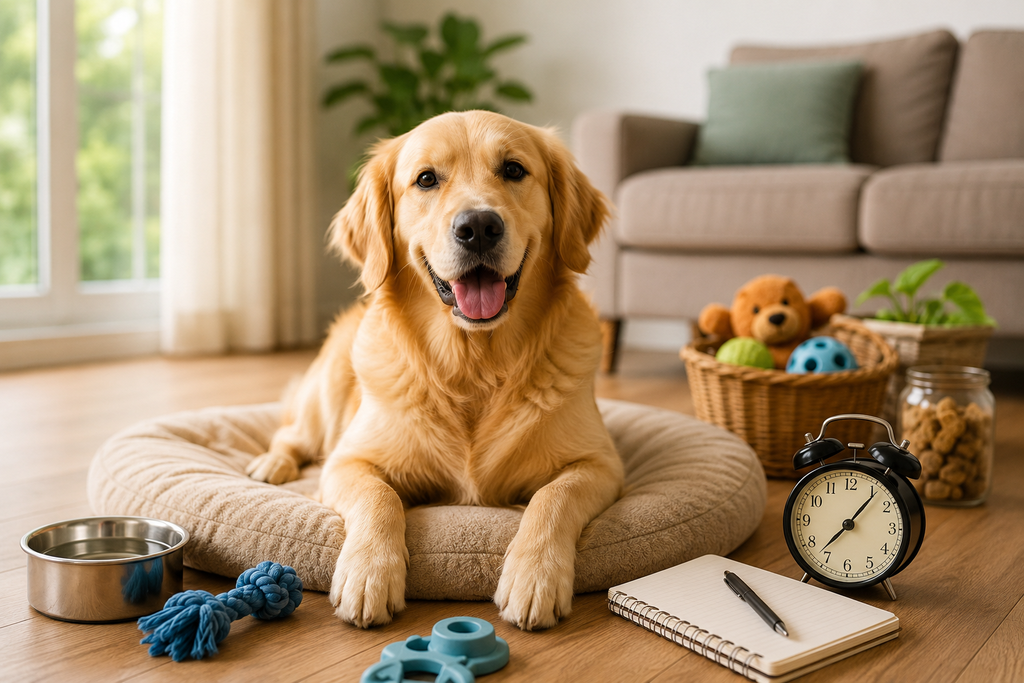
The key to a successful daily pet care routine isn’t perfection, it’s consistency. Here are a few final tips to help the routine stick, even on your craziest days:
Use a checklist or app.
Daily Pet Care Routine is A simple daily checklist (physical or on your phone) can help ensure you don’t forget key tasks like feeding, walks, or medication.
Involve your family.
If you live with a partner, roommates, or kids, divide responsibilities so no single person is overwhelmed. Assign specific tasks one person handles morning walks, another handles evening feeding.
Batch prep on weekends.
Prepare a week’s worth of meals, pre-portion treats, and organize grooming supplies during downtime on weekends. This reduces daily decision fatigue.
Be flexible, not rigid.
Life happens. If you miss a scheduled walk one day, don’t stress just get back on track the next. The goal is overall consistency, not flawless execution.
Invest in the right tools.
Daily Pet Care Routine Automatic feeders, self-cleaning litter boxes (for cat owners), GPS trackers, and puzzle feeders can all help lighten your daily load.
Final Thoughts
Daily Pet Care Routine Caring for a dog while juggling a busy life is absolutely achievable when you break the day into small, manageable habits. Dogs don’t need perfection, they need consistency, love, and attention, even in small doses. Start by picking two or three tips from this list and build the rest of the routine as it becomes second nature.
Frequently Asked Questions
1. How much daily time does a dog actually need from a busy owner?
Daily Pet Care Routine Most dogs do well with 45-60 minutes of combined walks, play, and feeding-related interaction spread across the day, even if it’s broken into short 10-15 minute chunks rather than one long session.
2. Is it okay to leave my dog alone all day while I work?
Dogs can generally handle 6-8 hours alone if they’ve had exercise beforehand and have access to water, but longer than that without a midday break can lead to bladder discomfort and anxiety. A dog walker or pet-sitting app can help fill the gap.
3. What’s the minimum grooming a busy owner should do daily?
Daily Pet Care Routine A quick 2-3 minute brush and a check of the ears and paws is enough to catch most issues early and keep shedding under control, even if a full bath or trim only happens occasionally.
4. Can training really happen during a busy daily routine?
Daily Pet Care Routine Yes. Short, consistent moments like asking for a “sit” before meals are often more effective than long, infrequent training sessions because they reinforce good behavior every single day.
5. What are the biggest warning signs I should never ignore?
Sudden changes in appetite, prolonged lethargy, limping, or unusual lumps are all signs that warrant a vet visit rather than a wait-and-see approach, even in an otherwise packed schedule.
6. How can I make this routine easier to stick to long-term?
Daily Pet Care Routine Use a simple checklist, involve other household members, batch-prep food and supplies on weekends, and stay flexible when a day doesn’t go as planned. Consistency over time matters more than doing everything perfectly.

Puppy Obedience Training 101: A Beginner’s Guide to Raising a Well-Mannered Dog

Common Dog Behavior Problems and How to Fix Them

Puppy Commands for Off-Leash Safety: What Every Owner Needs

Best Age to Start Leash Training a Puppy for Calm Behavior

How to Fix Puppy Behavior Using Gentle Training

puppy-obedience-training-commands/Puppy Training Tips: A Complete Step-by-Step Guide for Beginners

Puppy Obedience Training 101: A Beginner’s Guide to Raising a Well-Mannered Dog
Common Dog Behavior Problems and How to Fix Them
Puppy Commands for Off-Leash Safety: What Every Owner Needs
Best Age to Start Leash Training a Puppy for Calm Behavior
How to Fix Puppy Behavior Using Gentle Training