
Puppy Training
How to Puppy Training Without Punishment Using Reward-Based Training

Puppy training using rewards, such as a toy, a treat, or praise, is known as positive reinforcement training. When your dog behaves in a way that pleases you, you offer them what they desire. They will therefore be more inclined to act in such a manner going forward.
Reward-based training focuses on educating your dog that good decisions lead to positive outcomes. Your dog will link a reward with an action, like lifting a paw. They’ll be more inclined to do it again later on. Negative reinforcement is the worst approach, according to specialists in the animal industry.
While positive reinforcement training helps you to teach your puppy new things in the most effective and compassionate manner. Until the puppy learns what it can chew and where it should excrete urine, keep a close eye on it at all times. A 10-foot lightweight leash is a great method to keep the puppy in sight and teach it to stay put. This is highly beneficial for an active family or for a puppy that is very inquisitive.
How to train your puppy using positive reinforcement?
Find a treat that your puppy truly enjoys first. Grooming, playing in the water, straying during walkies, searching for food in a cardboard box, or driving might all be examples of this. Since every puppy is unique, they will all find different things fulfilling. But most dogs like our attention, food, and toys.

Puppy training is rewarding with food.
Whatever you decide on must be both enjoyable and safe for your puppy. Remember to reduce the amount of food your dog receives during meals if you use it for training in order to avoid weight gain. When your puppy does something perfectly, you can offer treats that they really enjoy.
such as soft and fragrant foods like cheese, sausage, or chicken, as the gold star reward. Additionally, you may use them to help your dog stay focused and pay attention in areas with more distractions. For training, they can be diced into tiny pea-sized bits.
Sometimes it’s simple for your dog to do it properly, so reward them with less thrilling food like chopped vegetables or dry dog biscuits.
Puppy training is rewarding with toys.
Some puppies are really playful, and you may reward excellent behavior with a toy game like fetch or tug. To get the most out of your lessons, make sure you use reward-based training to teach your pooch how to release toys.

Rewarding with attention
We sometimes underestimate the importance of our attention. The majority of puppies are happy whenever we focus on, touch, or converse with them. This suggests that we are continuously using our attention to shape their behavior.
Make sure your dog receives your precious attention when they make wise decisions rather than when they do something you don’t want them to.
What is positive reinforcement puppy training?
Rewarding your puppy for good conduct instead of penalizing negative behavior is the goal of positive reinforcement training. Rewarding your pet when they follow you or behave well in particular ways encourages them to repeat similar actions or behaviors when you give them instructions.
A reward becomes closely tied to good conduct. Successful results and positive interactions between pets and pet parents have been linked to this training approach.
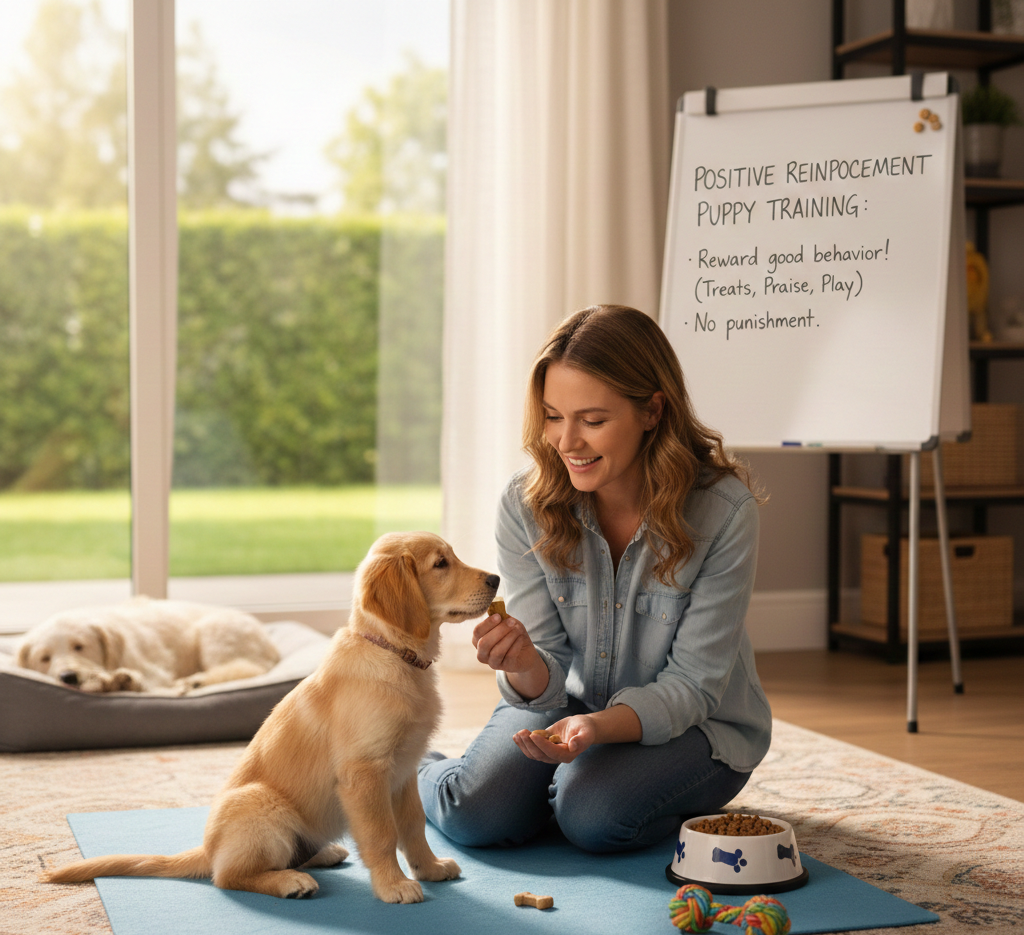
Some ground rules
As soon as your puppy comes to your house, we advise starting training. Many experts agree on the following suggestions, despite some divergent views on how to establish obedience and order:
Avoid rewarding undesirable conduct. This may seem absurd at first. After all, who rewards misbehavior with treats? However, remember that your focus is truly regarded as a pleasure. Therefore, when your dog starts playing or demands attention at inappropriate times, don’t recognize them. If not, they will be taught how to obtain anything they desire at any time.
One useful method for fostering positive behaviors is crate training. Your dog should be able to rely on their kennel for security and comfort. Crate training is a helpful tool for instilling good behaviors ;Your dog should be able to rely on their kennel for security and comfort. In addition to helping with housetraining and self-soothing, it offers a secure area for when you must leave them alone.
For building the foundation for training and fundamental instructions, puppy school or training sessions are excellent. These behaviors may be used once your puppy is able to sit and remain, which can help avoid a lot of behavioral issues. However, for optimal results, these abilities must be continuously and positively reinforced at home.
Why Avoid Negative Reinforcement, Punishment?
Punishment, fear, or shock reactions diminish a pup’s confidence in their owner and alter their perspective of the world, even if dogs will refrain from actions that have unfavorable consequences. Research has revealed that dogs trained using incentive-based techniques are more optimistic, while dogs trained with punishment or a combination of reward and punishment are more pessimistic.
This lack of trust may result in future behavioral issues, such as hostility, a lack of interest in learning, making training more difficult, a fear of the owner, or a reluctance to be handled. By teaching a puppy how we want them to act in a particular circumstance, reward-based training increases the likelihood of that behavior until it becomes the norm.
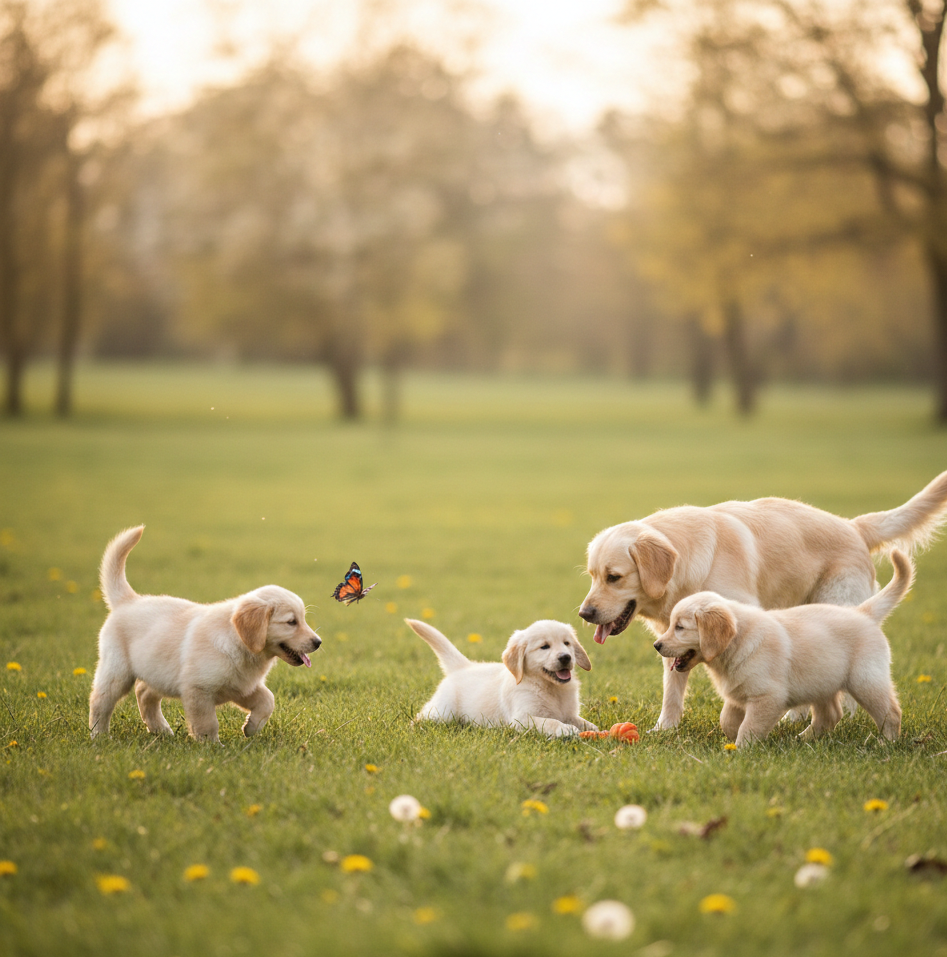
Punishment doesn’t ensure what they will do the next time; it just tells them what we don’t want them to do. Even though it’s not always predictable, punishment does work to change behavior. Fortunately, we now have a better understanding of dogs and how they learn, and we know how to train them in ways that work just as well, foster trust, improve our relationship, and don’t hurt, frighten, or stress them.
Benefits of positive reinforcement For Puppy Training
Positive reinforcement puppy training helps pups learn more quickly and with less stress by rewarding excellent behavior with play, praise, or goodies. Fostering confidence and trust, it strengthens the relationship between the puppy and its owner.
This approach promotes consistent positive conduct, lessens hostility and fear, and fosters positive emotional growth. Positive reinforcement is the best way to raise a happy, well-behaved puppy since it is gentle and effective.
Builds trust
Puppies respond better to people they trust, and positive reinforcement training strengthens the link between the puppy and its owner.
Encourages learning
It improves motivation, which improves training results. Puppies are also able to understand the behavior you are praising. They may not understand why they are being punished if they receive negative reinforcement.
Reduces anxiety
Avoiding punishment improves security and reduces anxiety. Because these puppies may have some mental health issues to deal with, rescue dog training is solely focused on positive reinforcement.
How to implement positive reinforcement puppy training?
Start by giving your puppy toys, treats, or encouragement as soon as they behave well. To ensure that your puppy knows exactly what conduct is anticipated, be consistent in your orders and rewards. To keep attention, keep training sessions brief and enjoyable. In order to promote positive behaviors, gradually cut back on incentives while continuing to give verbal praise.
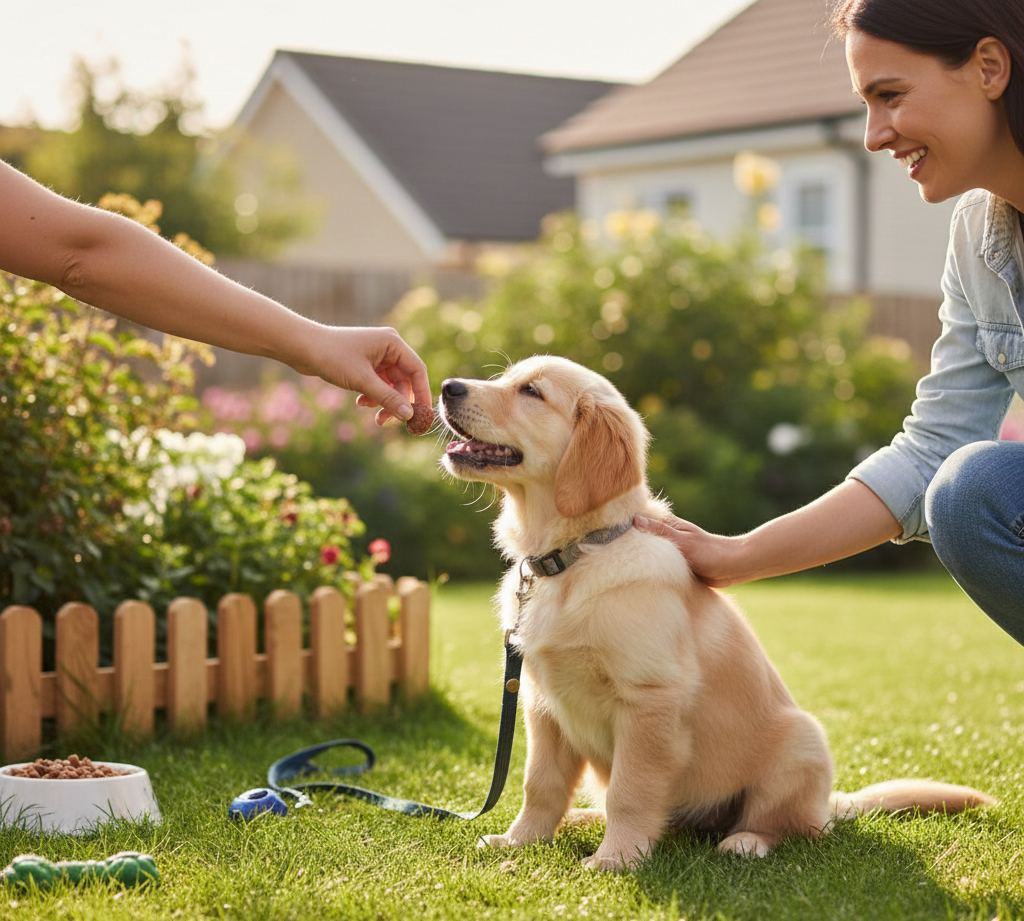
Set clear goals
You need to be clear about what you hope to accomplish and impart. Start with modest, specific goals since you don’t want to set impossible ones. When each goal is doable for your pet’s ability level, this kind of training is most effective. For instance, begin with the simple techniques.
Use high-value rewards
It’s crucial to choose incentives that inspire your pet. Use clickers, toys, and praise instead of Employ food. To keep your puppy interested in training, we advise changing up your rewards.
Consistency is key
Habits are formed with consistency. For learning to be successful, directives and incentives must be consistent. Your pet won’t react well to positive reinforcement without it.To avoid misunderstanding, everyone in your home has to make a commitment to adopting the same cues and incentive system.
What are the 7 most important puppy commands?
The 7 most important puppy commands build the foundation for good behavior, safety, and communication. Here’s a clear, beginner-friendly explanation of each:
. Sit
This is usually the first command puppies learn. It helps control excitement, encourages calm behavior, and is useful before meals, walks, or greetings.
Stay
“Stay” teaches your puppy to remain in one place until released. Start with short durations and slowly increase time and distance.
Come (Recall)
This command tells your puppy to return to you when called. Always reward generously so your puppy learns that coming to you is positive.
. Down
“Down” means lying calmly on the ground. It’s more relaxing than “sit” and helps settle overexcited puppies.
Leave It
This command teaches your puppy to ignore something tempting, such as food, trash, or unsafe objects.
6. Drop It
“Drop it,” your puppy to release something already in their mouth. Practice with toys first, not valuable items.
7. Heel / Loose Leash Walking
This teaches your puppy to walk politely beside you without pulling on the leash.
What are the three main methods of puppy training?
The three main methods of puppy training differ in how they teach behavior and communicate with your puppy. Here’s a clear and simple explanation of each:
.1. Positive Reinforcement Training
This method rewards good behavior with treats, praise, toys, or affection. Puppies learn by repeating behaviors that earn rewards.
2. Negative Reinforcement Training
This method removes something unpleasant when the puppy does the correct behavior. It does not mean punishment.
3. Punishment-Based Training
This method uses corrections or aversive techniques to stop unwanted behavior.
What can be used as a reward during puppy training?
During puppy training, rewards are used to encourage and reinforce good behavior. Effective rewards help puppies understand which actions are desirable and motivate them to repeat those behaviors.
The most commonly used rewards include food rewards, which are highly motivating and help puppies learn quickly. Verbal praise is another important reward, as a happy and encouraging tone builds confidence and strengthens the bond between the puppy and the trainer.
Toys and play can also be used as rewards, especially for energetic puppies, making training sessions enjoyable and engaging. Physical affection, such as gentle touch, can reinforce trust and provide emotional reassurance. Lastly, life rewards, which involve access to things the puppy enjoys, teach that good behavior leads to positive outcomes in everyday situations.
How should a handler reward a puppy for successfully performing a task to interrupt repetitive behaviors?
When a handler wants to reward a puppy for successfully performing a task and interrupting repetitive behaviors, the reward must be immediate, clear, and meaningful to the puppy. Here’s how it works:
1.Immediate Reward
The reward should be given as soon as the puppy completes the desired behavior. Puppies live in the moment, so delaying the reward can confuse them and reduce its effectiveness.
2.Positive Reinforcement
Use a reward that motivates the puppy, such as a treat, praise, or a favorite toy. This reinforces the connection between the correct behavior and the reward.
3.Interrupting Repetitive Behavior
If the puppy is engaged in an unwanted repetitive behavior (like biting, spinning, or barking), the handler should redirect the puppy to the desired task. Once the puppy performs the task, immediately reward them.
This teaches the puppy that performing the correct behavior earns attention and rewards, while the repetitive behavior does not.
4.Consistency
Always reward the puppy each time they perform the task correctly, especially at the beginning. This consistency helps the puppy learn which behaviors are acceptable and which are not.
5. Positive Tone and Body Language
The handler’s tone, gestures, and facial expressions should be encouraging and calm, signaling to the puppy that they did something right. Puppies respond as much to body language as to the reward itself.
Conclusion
Training a puppy using positive reinforcement is the safest, most effective, and humane way to build good behavior and a strong bond. By focusing on rewards instead of punishment, puppies learn faster, stay confident, and enjoy the training process.
Using treats, praise, toys, or affection to reward correct behaviors, teaching the essential commands, and redirecting unwanted behaviors ensures your puppy grows into a well-behaved, happy dog. Positive reinforcement training not only encourages obedience but also strengthens trust, making learning fun for both you and your puppy.

Puppy Obedience Training 101: A Beginner’s Guide to Raising a Well-Mannered Dog

Common Dog Behavior Problems and How to Fix Them

Puppy Commands for Off-Leash Safety: What Every Owner Needs

Best Age to Start Leash Training a Puppy for Calm Behavior

How to Fix Puppy Behavior Using Gentle Training

puppy-obedience-training-commands/Puppy Training Tips: A Complete Step-by-Step Guide for Beginners

Puppy Obedience Training 101: A Beginner’s Guide to Raising a Well-Mannered Dog
Common Dog Behavior Problems and How to Fix Them
Puppy Commands for Off-Leash Safety: What Every Owner Needs
Best Age to Start Leash Training a Puppy for Calm Behavior
How to Fix Puppy Behavior Using Gentle Training