
Dog Obedience Training
Complete Obedience Training for Dogs: Guide for Better Behavior

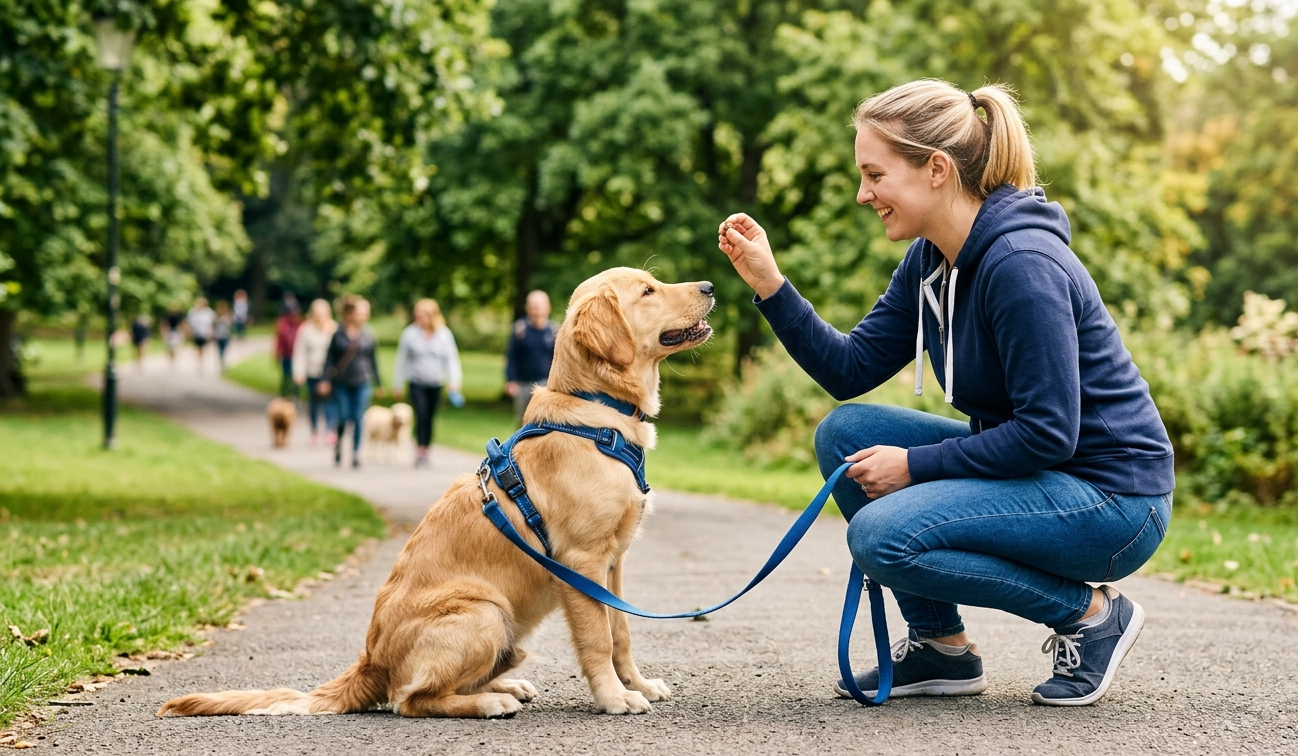
Dog Obedience Training: Quick Summary
Dog obedience training helps dogs learn essential commands, develop good behavior, and become well-mannered companions. Through consistent practice, positive reinforcement, and clear communication, dogs can overcome common behavioral issues such as excessive barking, jumping, leash pulling, and ignoring commands. This guide covers the importance of obedience training, basic commands every dog should learn, effective training methods, socialization tips, common mistakes to avoid, and practical strategies for raising a confident, obedient, and happy dog. Whether you have a young puppy or an older dog, proper obedience training can strengthen your bond and improve your dog’s behavior both at home and in public.
Obedience training your dog is one of the most important responsibilities of being a pet owner. Proper obedience training helps dogs become calm, confident, and well-behaved companions. Whether you have a playful puppy or an older dog with bad habits, consistent training can improve behavior and strengthen the bond between you and your pet.
Many dog owners struggle with barking, jumping, chewing, pulling on the leash, or ignoring commands. The good news is that obedience training can solve most of these issues naturally. Dogs learn best through patience, repetition, and positive reinforcement. With the right methods, any dog can become more obedient and easier to manage.
In this complete guide, you will learn effective obedience training techniques, essential commands, common mistakes to avoid, and expert tips to achieve better behavior at home and outdoors.
Why Obedience Training Is Important for Dogs
There is more to obedience training than just transferring commands. Additionally, it aids dogs in understanding norms, boundaries, and appropriate conduct. A well-trained dog is happier, safer, and easier to manage in a variety of circumstances.
- Obedience training has the following significant advantages:
- improves communication between the dog and its owner
- lessens undesirable conduct like barking or hostility
- increases confidence and trust.
- keeps dogs safe when they’re outside and near strangers.
- enhances the enjoyment of social activities and walks
- enhances mental focus and self-control
- Dogs are natural leaders. Training gives them structure and makes them feel safe in their surroundings.
Best Age to Start Obedience Training
The puppy stage is the ideal period to start obedience training, typically about 8 weeks of age. When compared to older dogs, puppies pick things up and adjust to routines more rapidly. But with persistence and patience, older dogs can also learn obedience.
Young puppies should begin with basic commands such as:
Sit, Stay, Come No
Leave it.
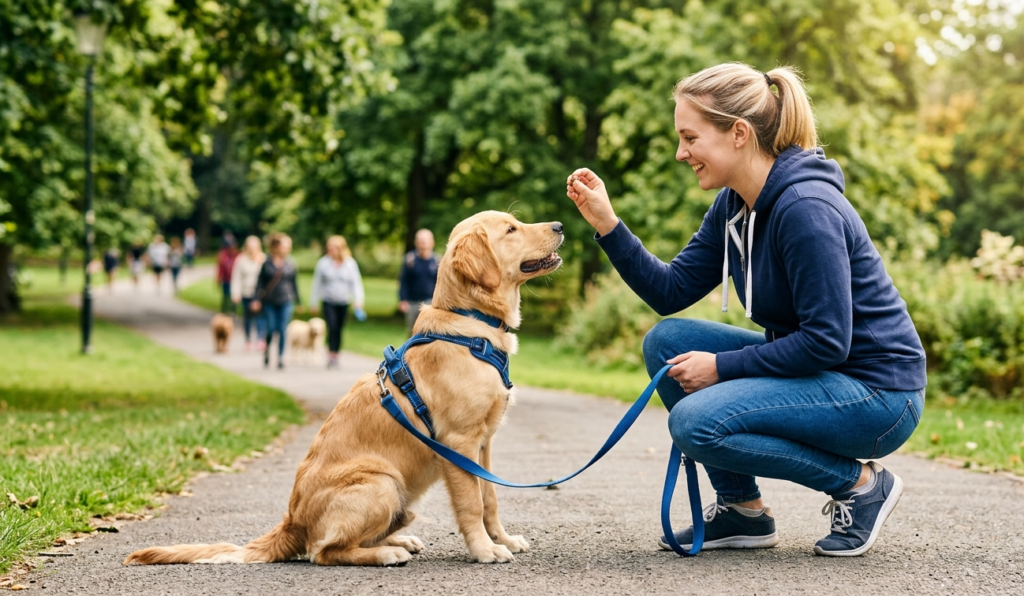
Essential Obedience Commands Every Dog Should Learn
A strong basis for improved conduct is established by training in important instructions. Practice every day, starting with a single command at a time.
1. Seat
Dogs typically find it simplest to learn the command “sit.” Move a reward slowly backward while holding it above your dog’s nose. The dog instinctively sits down as its head follows the treat. Reward right away and do it frequently.
2. Stay away
This order teaches self-control and patience. After asking your dog to sit, extend your hand and say, “Stay.” Before rewarding calm behavior, take a tiny step back.
3. come to
For safety, recall instruction is important. Reward your dog each time they respond to your calls and speak in a cheerful tone. After a dog comes back to you, never punish them.
4. Down
Dogs who are restless can be calmed with the “down” command. Use treats to help your dog lie down, and reward them if they stay calm.
5 Leave It
This order keeps dogs from grabbing food or potentially harmful items. Reward your dog for putting aside distractions by practicing with rewards.
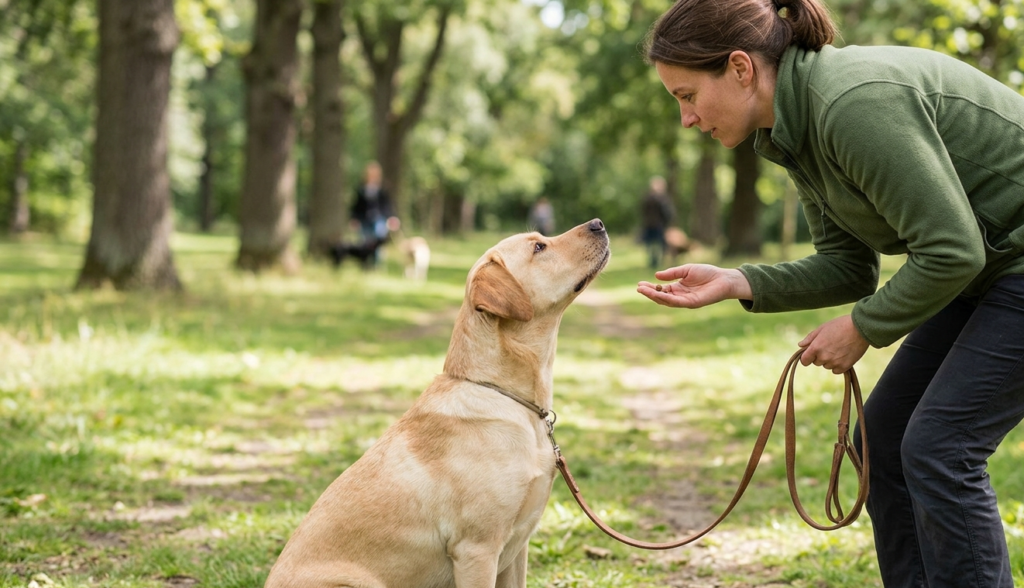
Positive Reinforcement Training Methods
One of the best techniques for teaching obedience is positive reinforcement. Reward positive conduct with toys, affection, praise, or treats rather than punishment. Dogs repeat actions that result in rewards. This approach fosters trust and promotes stress-free, fearless learning.
- Benefits You Can Use
- Tiny dog treats
- verbal compliments such as “good dog.”
- Preferred toys
- tenderness or belly rubs
- Timing is crucial. When your dog behaves correctly, reward them right away so they know what they did well.
.
Importance of Consistency in Dog Training
The secret to effective obedience training is consistency. Regular rule changes confuse dogs.
- For example:
- Sometimes forbid jumping, and other times penalize it.
- Every day, use the same command words.
- Make sure everyone in the family abides by the same training guidelines.
- Long, stressful sessions are less successful than brief daily sessions lasting 10 to 15 minutes.
Training in Socialization and Obedience
Dogs learn how to act around people, animals, and unfamiliar situations through socialization. Later in life, fear, anxiety, and aggression are reduced by appropriate socialization.
- Bring your dog to secure locations where they can:
- Various sounds
- New individuals
- Other amiable canines
- Rides in cars
- Parks and strolls
Training in Crates to Improve Behavior
When used properly, crate training can improve obedience training. Dogs are inherently looking for a secure place to sleep, and crates can offer structure and comfort.
- In particular, the advantages of crate training are:
- Potty training is simpler.
- Decreased harmful conduct
- Improved sleep schedules
- Safe transportation and travel
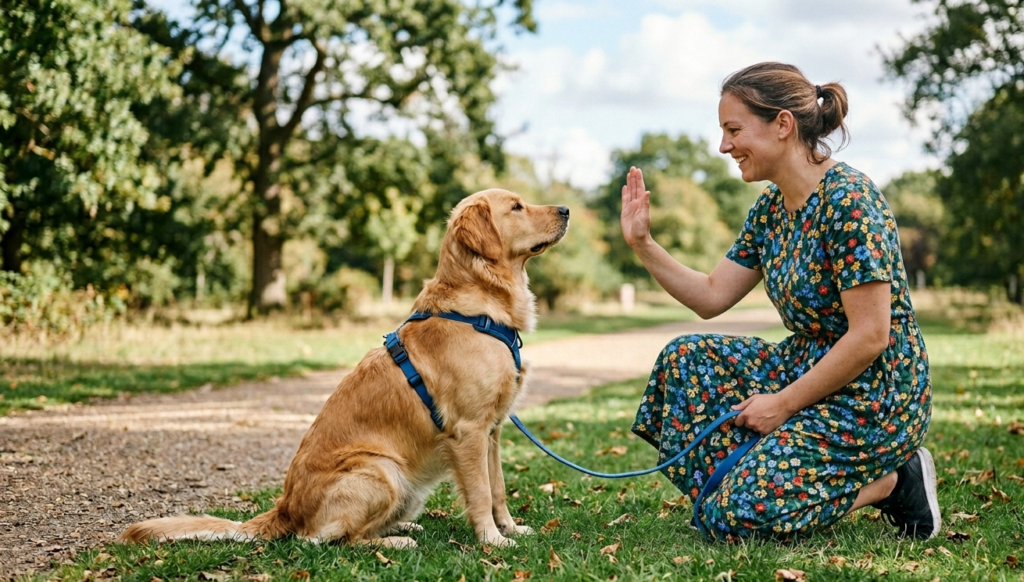
Mistakes to Avoid During or in Obedience Training
Many owners unintentionally slow progress by committing typical blunders.
Too Much Use of Punishment
Anxiety and fear can be brought on by severe punishment. Positive advice and rewards help dogs learn more effectively.
Too Much Training
Dogs may become irritated by lengthy sessions. Keep meetings brief, enjoyable, and interesting.
Unreliable Instructions
Your dog may become confused if you switch words like “come here” and “come now.” Make use of straightforward, dependable commands.
Anticipating Quick Outcomes
Training requires patience and time. Every dog learns in a unique way.
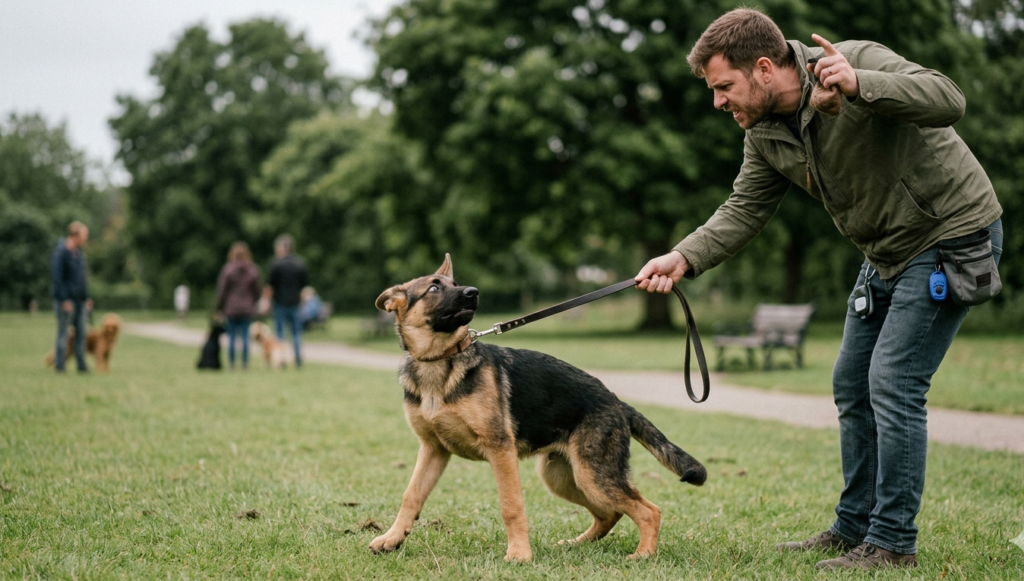
Tips for Advanced Obedience Training
You are able to graduate to advanced obedience training once your dog has mastered basic commands.
- Advanced abilities consist of:
- Walking without a leash
- Heel command
- Signals with the hands
- Recall of distance
- Remaining composed in the face of distractions
Signs That Your Dog Is Learning Successfully
As training gets better, you’ll see improvements.
The following are indicators of effective obedience training:
Reacting swiftly to orders
Increased concentration when taking walks
- Decreased destructive or barking behavior
- Increased calmness in the presence of visitors
- Increased trust between the dog and its owner
What is the best obedience training method for dogs?
Positive reinforcement is considered the most effective obedience training method for dogs because it encourages good behavior through rewards instead of punishment. Dogs naturally repeat actions that bring positive outcomes, such as treats, praise, toys, or affection.
This method builds trust between the owner and the dog while reducing fear and anxiety during training sessions. Professional trainers often recommend positive reinforcement because it works for puppies, adult dogs, and even rescued pets with behavioral problems.
Consistency is very important when using this method. Reward your dog immediately after they follow a command so they clearly understand which behavior earned the reward.
How long should dog training sessions be?
Dog training sessions should usually last between 10 and 15 minutes, especially for puppies and younger dogs with shorter attention spans. Short sessions help keep dogs focused, motivated, and interested in learning new commands without becoming bored or frustrated.
Training several times a day is often more effective than one long session. Adult dogs may handle slightly longer sessions, but it is still important to keep training positive and enjoyable. Ending sessions with praise or rewards helps dogs stay excited for future training. Consistent daily practice leads to faster and more reliable obedience results over time.
Can older dogs still learn obedience training?
Yes, older dogs can absolutely learn obedience training, even if they already have bad habits. While puppies usually learn faster, adult dogs are capable of understanding commands and
improving their behavior through patience and regular practice. Many older dogs respond very well to calm and consistent positive reinforcement techniques.
Training an older dog may require extra patience because some behaviors have developed over many years. However, with proper guidance, older dogs can learn commands like sit, stay, come, and leash manners successfully. The key is to remain consistent and reward progress regularly.
How do I stop my dog from ignoring commands?
Dogs often ignore commands when training is inconsistent or when there are too many distractions around them. Start training in a quiet environment where your dog can focus fully on you. Use treats, praise, and clear commands to encourage fast responses and reward successful behavior immediately.
Avoid repeating commands too many times because dogs may learn they can ignore the first few attempts. Practice obedience daily and slowly introduce distractions as your dog improves. Over time, your dog will become more responsive and reliable in different situations.
Conclusion
Obedience training is essential for raising a well-behaved and happy dog. With patience, consistency, and positive reinforcement, dogs can learn important commands and better behavior habits. Training not only prevents common behavioral problems but also strengthens the bond between you and your pet.
Start with simple commands, practice daily, and reward good behavior consistently. Whether you are training a puppy or an adult dog, the right approach can create lasting results and a more enjoyable relationship with your furry companion.

Puppy Obedience Training 101: A Beginner’s Guide to Raising a Well-Mannered Dog

Common Dog Behavior Problems and How to Fix Them

Puppy Commands for Off-Leash Safety: What Every Owner Needs

Best Age to Start Leash Training a Puppy for Calm Behavior

How to Fix Puppy Behavior Using Gentle Training

puppy-obedience-training-commands/Puppy Training Tips: A Complete Step-by-Step Guide for Beginners

Puppy Obedience Training 101: A Beginner’s Guide to Raising a Well-Mannered Dog
Common Dog Behavior Problems and How to Fix Them
Puppy Commands for Off-Leash Safety: What Every Owner Needs
Best Age to Start Leash Training a Puppy for Calm Behavior
How to Fix Puppy Behavior Using Gentle Training