
Dog Training
Best Reactive Dog Training Techniques to Reduce Stress and Overreaction


Reactive dogs are not always aggressive, it is crucial to pay close attention to training because reactivity can develop into aggression. Typically, a fearful dog is a reactive dog. Causes can be inherited, although they are more likely related to a lack of socializing, prior unpleasant experiences or a lack of training.
Reactive dogs become too excited by common stimuli. They may growl, bark, and lunge, becoming so engrossed in whatever is causing the emotion that it can be challenging to restrain them and get them to leave the area. Similar symptoms are displayed by aggressive dogs, who are committed to causing damage and injury.
Positive reinforcement, desensitization, and counter-conditioning are techniques used with reactive dogs. Creating a safe environment, eating a balanced diet, and engaging in regular exercise are also important. Customizing the strategy to each dog’s particular needs promotes long-term success in lowering fear and enhancing behavior.
It is important to treat reactive dogs seriously since they have the potential to become aggressive.
Training Techniques for Reactive Dogs
Training techniques for reactive dogs focus on reducing their anxiety and improving their confidence. Desensitization is one strategy that works well. This involves exposing the dog to the trigger in a controlled way. The dog grows accustomed to the trigger over time and becomes less agitated. Consistency in this exercise is crucial.
Positive Reinforcement for Reactive Dogs
This strategy rewards your dog for good behavior, encouraging them to repeat it. Rewards include toys, praise, and treats. This method aids in creating a favorable association with stimuli that were previously frightening. Using different rewards also keeps the training engaging for the dog.
Physical Exercise For Reactive Dog
An important part of controlling a dog’s reactivity is physical activity. Regular walks, play sessions, and other physical activities might help reduce stress levels. A tired dog is often a relaxed dog, making them less likely to react negatively. The dog’s daily routine can be greatly improved by including exercise.
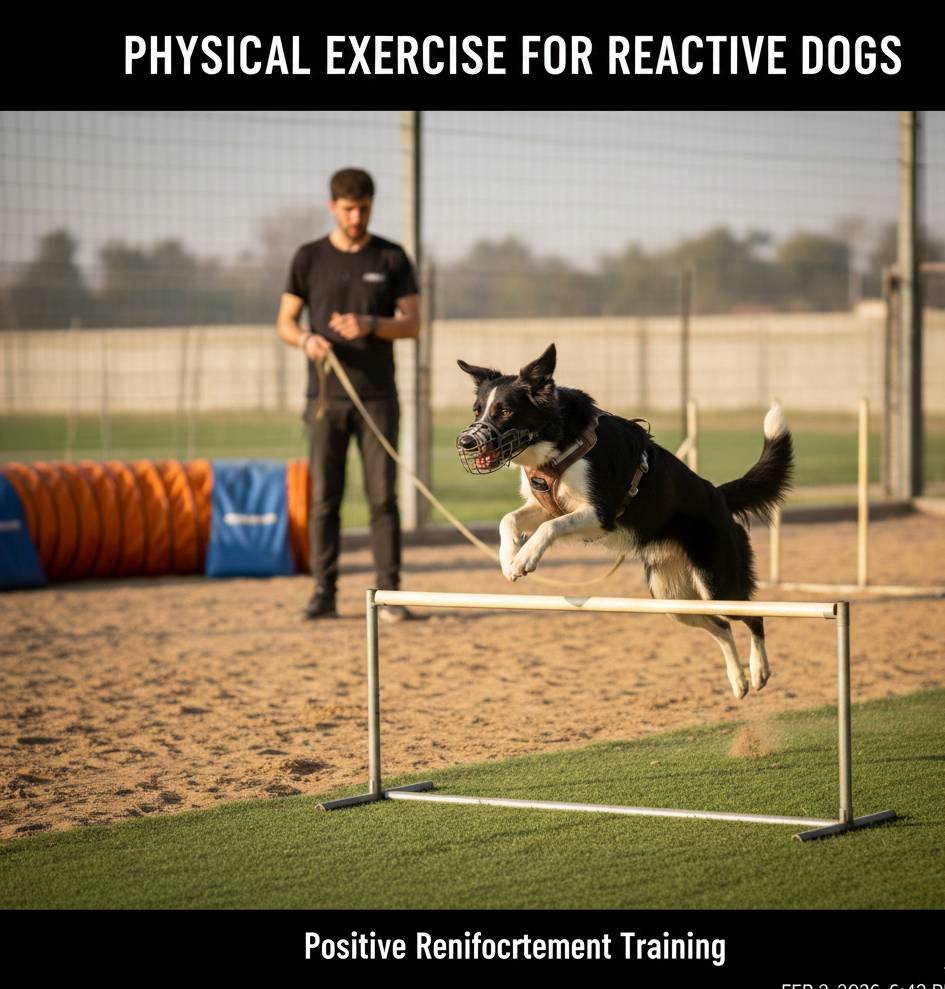
Provided a suitable environment
It’s also important to set up an appropriate workplace. Reduce the amount of time the dog is exposed to triggers at home and establish safe havens where they can go if they’re feeling stressed. A balanced diet may also have an impact on a dog’s behavior. Ensuring kids acquire the right nutrients can assist preserve their general well-being.
What is a Reactive Dog?
A reactive dog overreacts to typical triggers other dogs, people, automobiles, bikes, or even odd inanimate items like containers and box fans.
Dogs that react aggressively Their behavior may look downright strange such as:
Barking, growling, or lunging at innocuous objects.
Over-the-top excitement or displeasure at commonplace things.
- Pulling on the leash so forcefully that they almost drag you along.
- Stiff body language or intense staring that sends a shudder down your spine.
- Refusing to let go of a trigger as if they’re waiting for the tree trunk to do something.
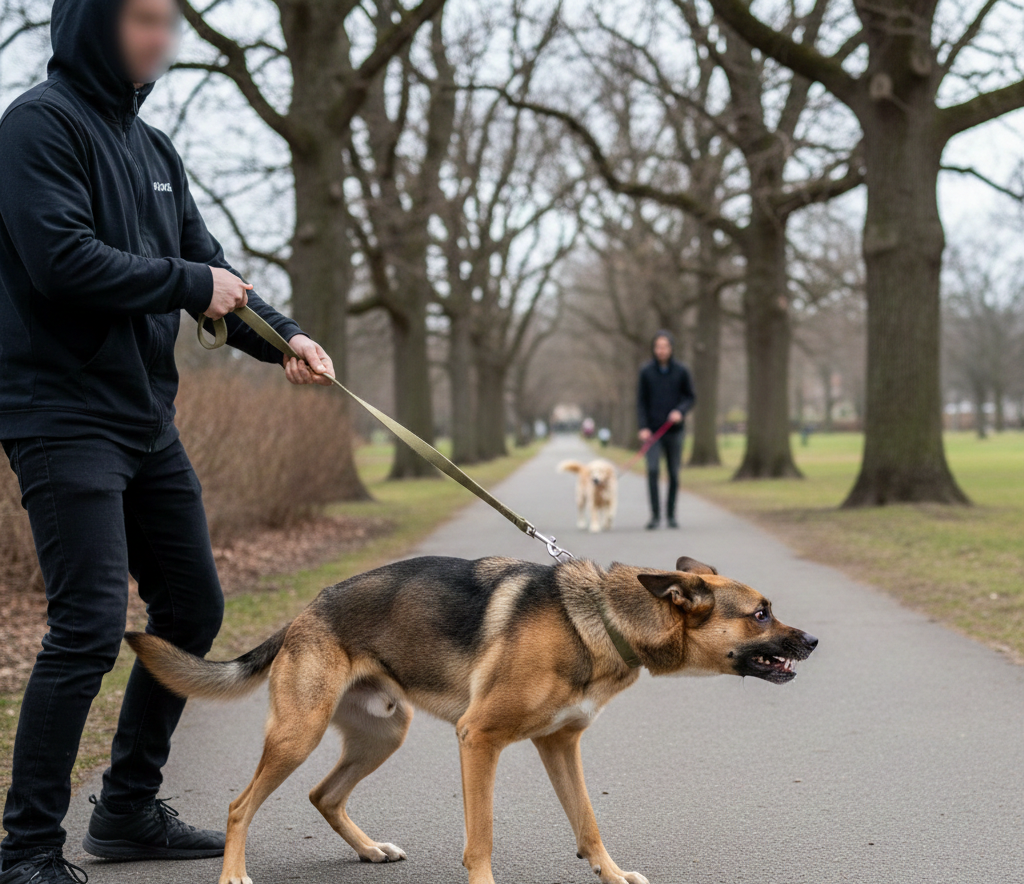
An aggressive dog is not indicated by reactivity. Rather, a lot of reactive dogs are angry or afraid. No matter how loudly they howled and barked, they may have learned helplessness from constantly being in circumstances where their basic needs, food, water, shelter, safety, social interactions, and affection could not be satisfied.
A dog is a lot like a 4-year-old person. They have feelings and a deep yearning to connect with the people and animals around them. They’re also not fully able to meet their own requirements and rely on others.
Reactive dog behavior can develop into severe behavioral issues, like biting and aggression, if it is not properly trained. So, while empathy is crucial, it’s just as critical to take the proper action. To put it another way, if a whirling fan blade agitates someone, don’t encourage it by laughing at them or gazing back.
Instead, let’s encourage positive behaviors and make the dog feel secure while they investigate other canines, people, and surroundings.
Understanding Reactive Dogs
Reactive dogs are dogs that demonstrate an excessive sensitivity to certain stimuli, such as other dogs, humans, or even certain things. This response can appear in different ways, including barking, snarling, lunging, or even aggressive behavior. It is necessary to remember that reactive behavior in dogs is often a reaction to fear, anxiety, or irritation rather than an indication of violence.
Several factors, such as heredity, lack of socialization, traumatic experiences, or even medical disorders, might contribute to reactivity in dogs. In order to properly manage and treat your dog’s behavior, it is essential to comprehend the underlying causes of their reactivity.
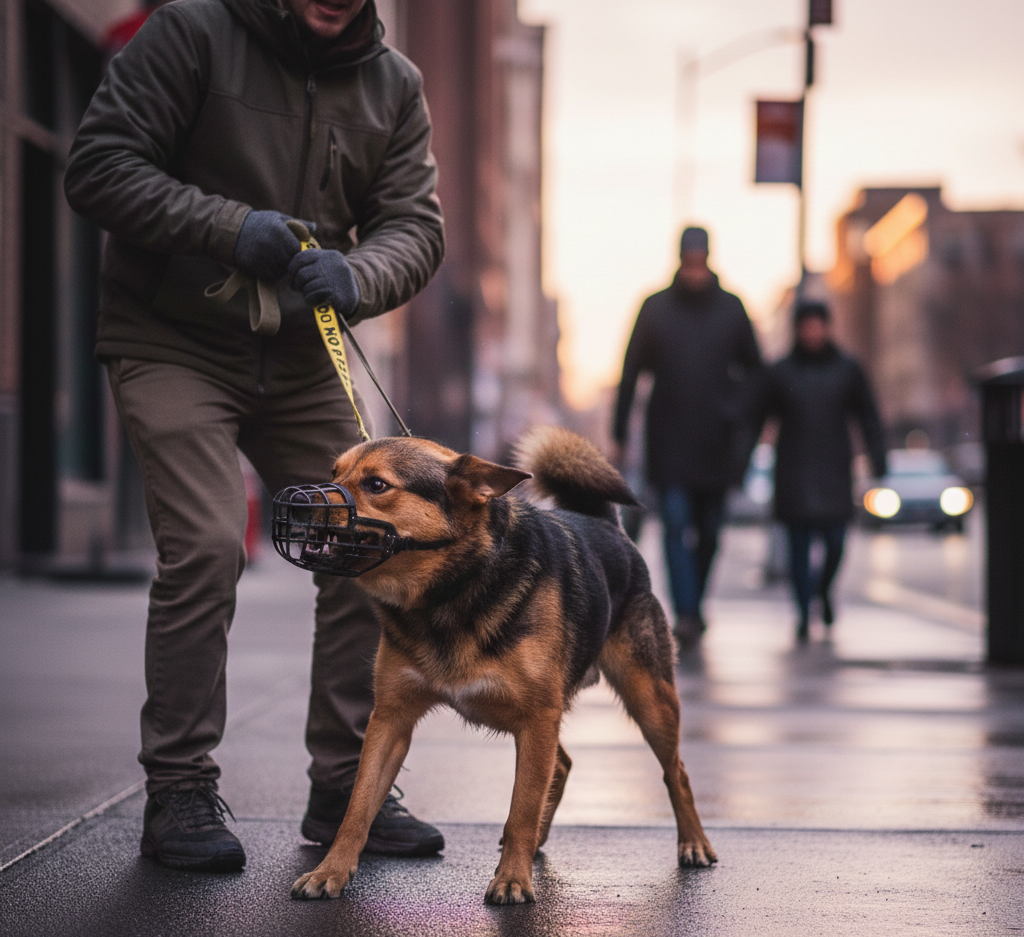
Managing Reactive Dogs
Reactive dogs managing patience, consistency, and positive reinforcement strategies are all necessary for handling aggressive dogs. Trainers can progressively expose reactive dogs to their triggers at a distance that prevents a reactive response by setting up a secure and controlled environment.
Through a process called desensitization, the dog’s sensitivity eventually decreases as they form a more positive relationship with the trigger. Additionally, counterconditioning techniques are utilized to replace the dog’s negative emotional response with a more positive one, further assisting to break the cycle of reactivity.
How to Train a Reactive Dog?
We suggest three things.
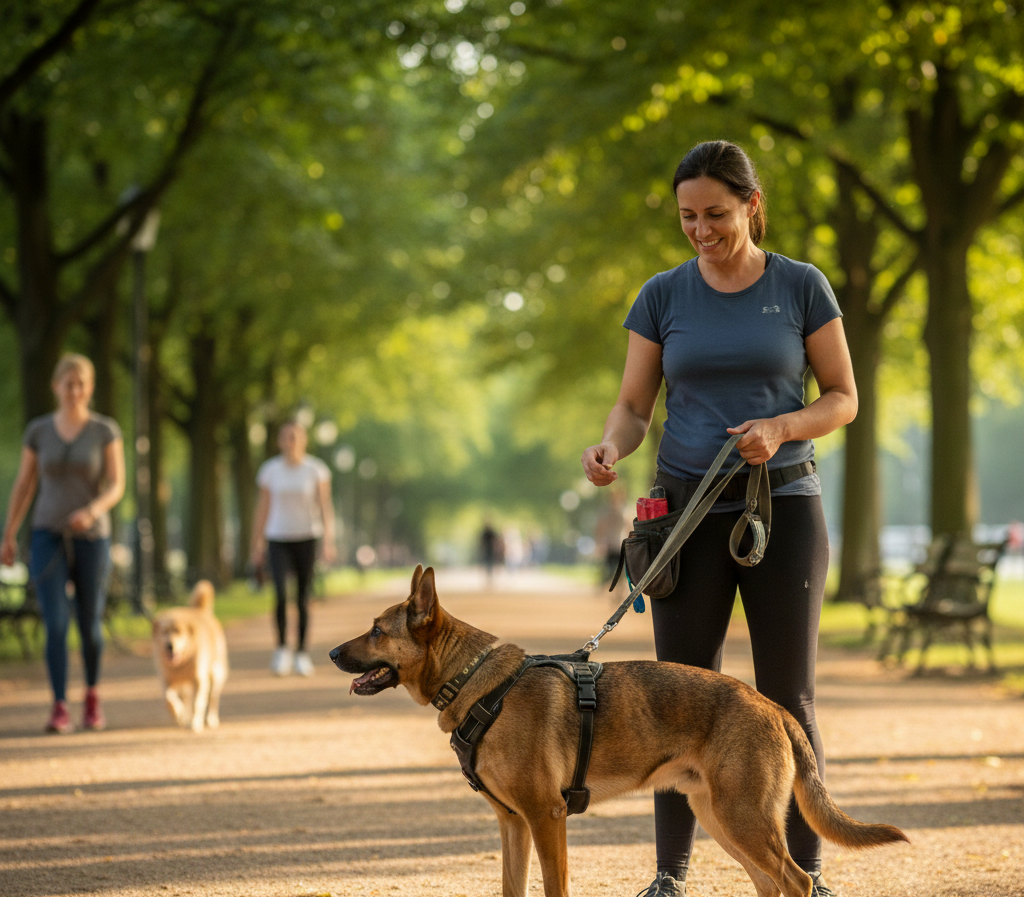
1.Practice basic training
Reactive dog training With a strong recall and being aware of basic cues like sit is beneficial for all canines. This creates trust between you and your dog, and will make the major difficulties easier to solve. Good yes and clicker are examples of marker words that are effective training techniques.
Your dog will know right away that they are receiving praise and that a treat is on the way, thanks to this. Throughout the day, you may also work on calm behaviors by teaching them to wait for their food, quiet down on cue, and use enrichment such as Kongs and puzzle feeders to solve difficulties.
2.Keep your dog away from triggers
Naturally, we can’t control the outside world and don’t know who will come around the corner. The good news is that we can take action to keep our dogs out of stressful situations, particularly when they are being trained. Try taking them for walks at quieter times of the day.
such early in the morning, or take them out into the countryside or enclosed dog fields away from the noise and bustle. Alternatively, walk your dog less and substitute the activity with games or training in the garden. If you decrease the opportunity for your dog to be reactive and increase their practice of alternate behaviours, it will become second nature.
3.Teach them alternative behaviours
First, you should teach these cues when you’re at home before trying them out on a peaceful and calm walk. Next, progressively approach your dog’s activities, being careful to go at their pace. The more practice your dog has, the more they will identify their triggers with happy outcomes rather than stressful ones.
Be realistic about your dog’s potential and keep an open mind. Long-term reactive and fearful dogs may never get along with other dogs, but you should be able to walk your dog calmly and without frequent mishaps.
How to train a reactive dog to be calm?
A reactive dog to stay calm takes patience, consistency, and the right approach. Reactivity is usually driven by fear, frustration, or overstimulation, not bad behavior. Here’s a clear, practical explanation to help you understand and apply effective techniques.
1. Understand What Triggers Reactivity
A reactive dog overreacts to specific triggers like other dogs, strangers, loud noises, or moving objects. The first step is identifying what causes the reaction and how intense it is. This helps you manage training at a level your dog can handle.
2. Create Distance From Triggers
Start training far enough away from the trigger so your dog stays calm. This is called threshold training. If your dog is barking or lunging, they’re already overwhelmed and calm learning can’t
3. Practice Desensitization and Counterconditioning
Slowly expose your dog to triggers at a safe distance while pairing the experience with rewards. Over time, your dog learns to associate triggers with positive outcomes instead of stress.
4. Teach Calm Focus Skills
Train simple commands like sit, “watch me or leave it in low-distraction environments. These skills give your dog something positive to focus on when triggers appear. happen there.
How to train an overreactive dog?
Training an overreactive dog requires understanding, structure, and calm leadership. Overreactive behavior usually comes from fear, anxiety, excitement, or poor impulse control, not disobedience. Here’s a clear and simple explanation you can follow step by step .
1. Identify Your Dog’s Triggers
First, observe what causes the overreaction of other dogs, strangers, cars, noises, or new environments. Knowing the trigger helps you plan training at the right intensity level.
2. Keep Your Dog Below Threshold
An overreactive dog can’t learn when overstimulated. Start training far away from triggers, where your dog notices them but stays calm. Gradually decrease distance as your dog improves.
3. Reward Calm Behavior Immediately
Use positive reinforcement like treats, praise, or toys the moment your dog stays calm. This teaches your dog that calm reactions lead to good outcomes.
How to desensitize a reactive dog?
Desensitizing a reactive dog means gradually teaching them to stay calm around triggers instead of reacting with fear, barking, or lunging. It’s a science-based, humane process that focuses on slow exposure and positive experiences. Here’s a clear, step-by-step explanation
1. Identify Your Dog’s Specific Triggers
First, figure out exactly how your dog reacts to other dogs, strangers, bikes, noises, or certain environments. Also note how close the trigger needs to be before your dog reacts. This is called their threshold.
2. Start Below the Reaction Threshold
Begin training at a distance where your dog can notice the trigger but remain calm. If your dog is barking, lunging, or frozen, you’re too close. Calm awareness is the goal.
3. Pair the Trigger With Positive Rewards
Every time your dog sees the trigger and stays calm, immediately give a high-value treat. This helps your dog learn:
4. Use Short, Controlled Exposure Sessions
Keep sessions short and positive (5–10 minutes). Repeated calm exposures are far more effective than long, stressful ones.
What is the 10 10 10 rule for dogs?
The 10-10-10 rule for dogs is a simple guideline used to help dogs stay calm and focused, especially during training or stressful situations.
- 10 seconds of calm attention from your dog.
- 10 steps of controlled movement (like walking calmly on leash)
- 10 repetitions of the behavior to build consistency
This rule encourages short, manageable training moments that prevent overstimulation and help dogs learn calm behavior more effectively.
Conclusion
Reactive dogs are not aggressive; they are dogs struggling with stress, fear, or overstimulation. By understanding what a reactive dog is and identifying triggers early, you can use positive, reward-based training techniques to reduce stress and overreactions. Teaching calm behaviors, training an overreactive dog with patience, and using desensitization helps change emotional responses over time.
Simple guidelines like the 10-10-10 rule keep training structured, short, and effective. With consistency, empathy, and the right techniques, reactive dogs can learn to stay calm, confident, and well-controlled in everyday situations.

Puppy Obedience Training 101: A Beginner’s Guide to Raising a Well-Mannered Dog

Common Dog Behavior Problems and How to Fix Them

Puppy Commands for Off-Leash Safety: What Every Owner Needs

Best Age to Start Leash Training a Puppy for Calm Behavior

How to Fix Puppy Behavior Using Gentle Training

puppy-obedience-training-commands/Puppy Training Tips: A Complete Step-by-Step Guide for Beginners

Puppy Obedience Training 101: A Beginner’s Guide to Raising a Well-Mannered Dog
Common Dog Behavior Problems and How to Fix Them
Puppy Commands for Off-Leash Safety: What Every Owner Needs
Best Age to Start Leash Training a Puppy for Calm Behavior
How to Fix Puppy Behavior Using Gentle Training