
Dog Training
How to Do Brain Training for Dogs With Anxiety or Stress


Brain Training for Dogs is a special dog training program that focuses on testing and boosting your dog’s brain ability. In order to foster mental enrichment, problem-solving abilities, and general cognitive growth, it entails stimulating your dog’s brain through a variety of tasks and activities.
Brain training is straightforward: mentally active dog will be content and behave nicely. Behaviors like chewing, barking, and digging are more common in dogs that are bored or under stimulated. These issues can be avoided by giving dogs the cerebral exercise they require through brain training.
Brain training for dogs is perfect for dogs of all ages, breeds, and sizes. Dogs with behavioral difficulties may also benefit from it because it may improve their ability to concentrate, follow instructions, and make decisions.The physical needs of a dog, such as food, exercise, and grooming, are frequently the first things thatcome to mind when considering dog care.
Why Is Brain Stimulation Important for Dogs?
Considering that dogs are extremely intelligent animals, brain stimulation is just as important to them as physical exercise. In fact, mental exercises can make dogs even more exhausted than physical exercise, which is especially important for high-energy working dog breeds like German Shepherds, Border Collies, Australian Shepherds, and Australian Cattle Dogs.
In fact, many destructive behaviors in dogs can be resolved by simply implementing mental exercises on a daily basis.
Brain stimulation has numerous advantages, some of which include:
Improving psychological well-being
Improving mental abilities
Developing Self-Belief
Releasing of tension
Assisting in the eradication of harmful practices
Reducing exuberance
Fatiguing a dog Promoting puppies’ cognitive growth
Maintaining a happy dog
Increasing our connection with them
BRAIN TRAINING GAMES YOU CAN PLAY WITH YOUR DOGS AT HOME
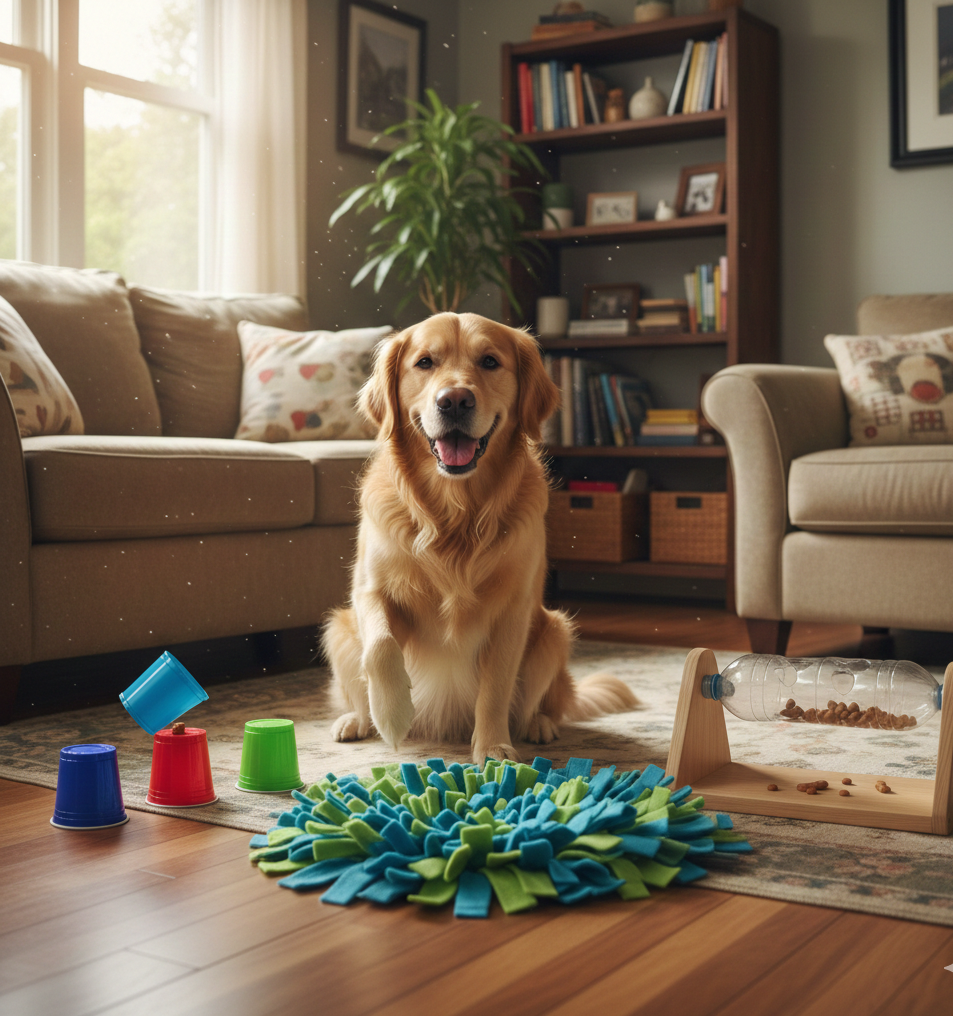
You may play a variety of brain training exercises with your dog at home to keep them interested and mentally challenged. Here are a few ideas:
Treasure Hunt: Use your dog’s sense of scent to locate toys or treats hidden throughout the house. As your dog gains proficiency in the game, progressively raise the level of difficulty from simple hiding places.
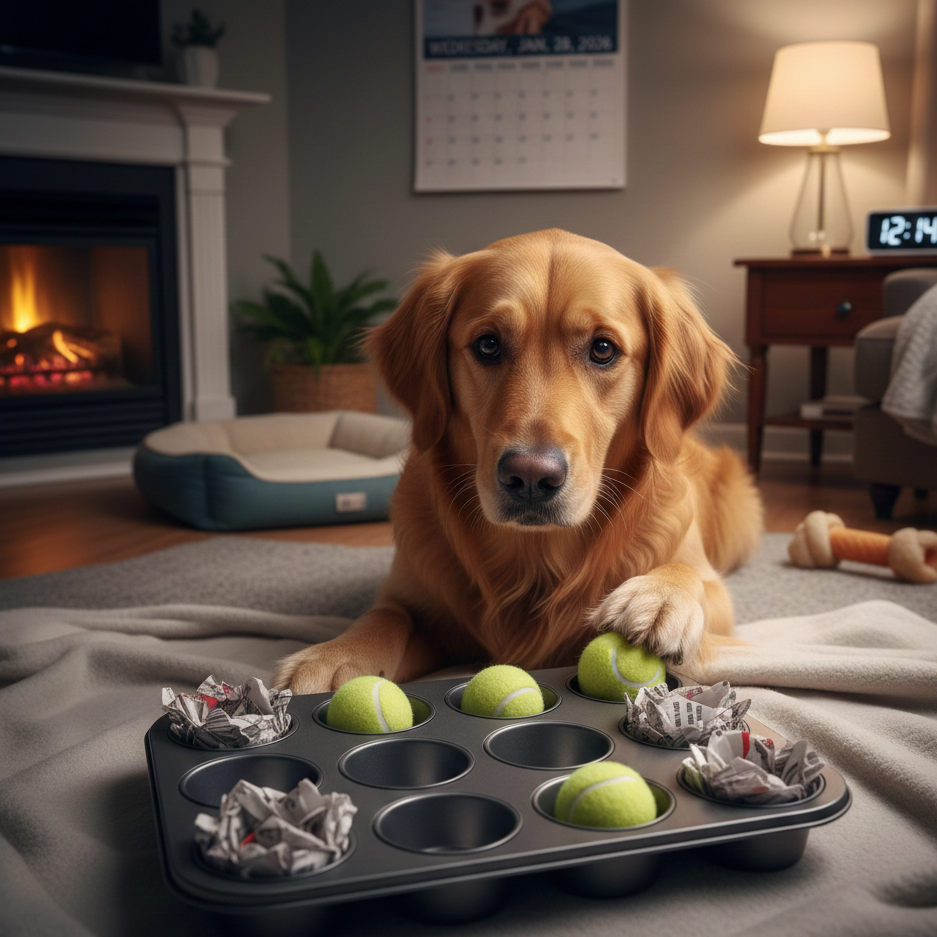
Muffin Tin game: You’ll need a muffin tin, several meal pieces or treats, plus tennis balls or other toys of a comparable size. Put a treat inside each muffin tin cup. Cover the snacks in each cup with a tennis ball. Show your dog the muffin tin and invite them to explore.
They will find the concealed treats beneath as they begin to sniff about and push the tennis balls aside. Reward your dog with a treat and give them praise when they successfully find it. The game can then be restarted by adding sweets to the muffin tin and covering them with tennis balls once more.
Brain training techniques: Frequent training sessions are a fantastic way to push your dog’s thinking and deepen your relationship. Work on agility abilities like jumping over hurdles or weaving around your legs, or teach them new tricks and obedience instructions.
Teach them simple orders like sit, stay, come, and down, as well as more complex techniques like shake, roll over, and play dead. Always keep an eye on your dog during play to guarantee their safety, and make sure the activities are enjoyable and rewarding. You can provide your dog lots of cerebral stimulation in the convenience of your own home with a little imagination and perseverance.
How To Reduce Stress In Dogs Brain
It takes a variety of proactive techniques to help our dogs recover from stress and anxiety, including environmental management and attending to all of their physical and emotional requirements.
Brain Consistent Procedures
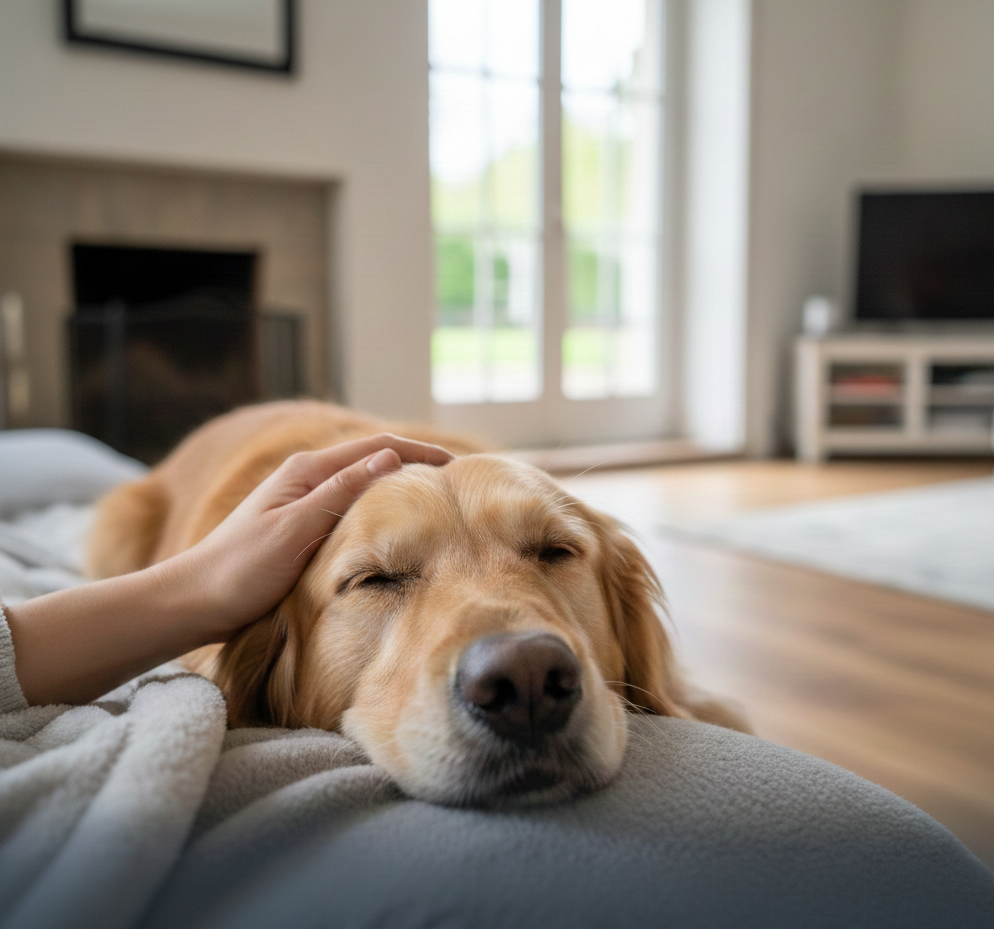
In order to make a stressed or nervous dog feel grounded, protected, and comfortable during recovery, it’s critical to establish a consistent and encouraging daily routine. This involves feeding the dog at the same times each day and maintaining regular play and exercise regimens.
A calm and contented dog is fostered when a dog can predict what will happen and when, and all of these experiences are pleasant. If necessary, you can start changing up your routines once the dog’s neurological system has stabilized.
Exercise
For dogs to avoid and manage stress, regular and adequate exercise is crucial. In addition to burning off extra energy and lowering cortisol levels, activities like walking, playing, and training also increase endorphins, elevate mood, improve the quality of sleep, and foster emotional resilience in dogs.
Brain Stimulation
Exercise might exhaust a dog, but many people don’t realize that cerebral stimulation can work just as well. Anyone who works on a mentally taxing endeavor, like writing or studying, knows how draining it can be. A dog’s mind can be stimulated and given a sense of joyful fulfillment and accomplishment through positive training and canine enrichment activities, games, toys, and puzzles.
Preventing Boredom
Providing stimulating activities helps avoid boredom, which can cause or aggravate stress and anxiety. Giving the dog stimulating options like moving toys, toys with different textures, soft toys to cuddle with, treat balls, and safe chew options that taste and smell pleasant will help avoid and lessen stress and anxiety. Power chewers will need toys and chew alternatives that cannot be dissected for safety concerns.
Positive Training
Training techniques centered on punishment have been shown to induce and exacerbate stress and anxiety. These negative feelings make it difficult to think, learn, recall, solve problems, and make decisions, all of which are obviously detrimental to the process of learning. Both the dog’s emotional health and the trust relationship between humans and dogs are harmed.
Positive training, on the other hand, encourages and rewards a dog for making wise decisions, teaches and reinforces desired behaviors, and provides the dog with a sense of achievement. Positive training fosters reciprocal respect and confidence while enhancing the human-dog trust tie, whereas punishment-based training harms a dog’s emotional health and trust relationship.
Brain training for the benefits of dogs
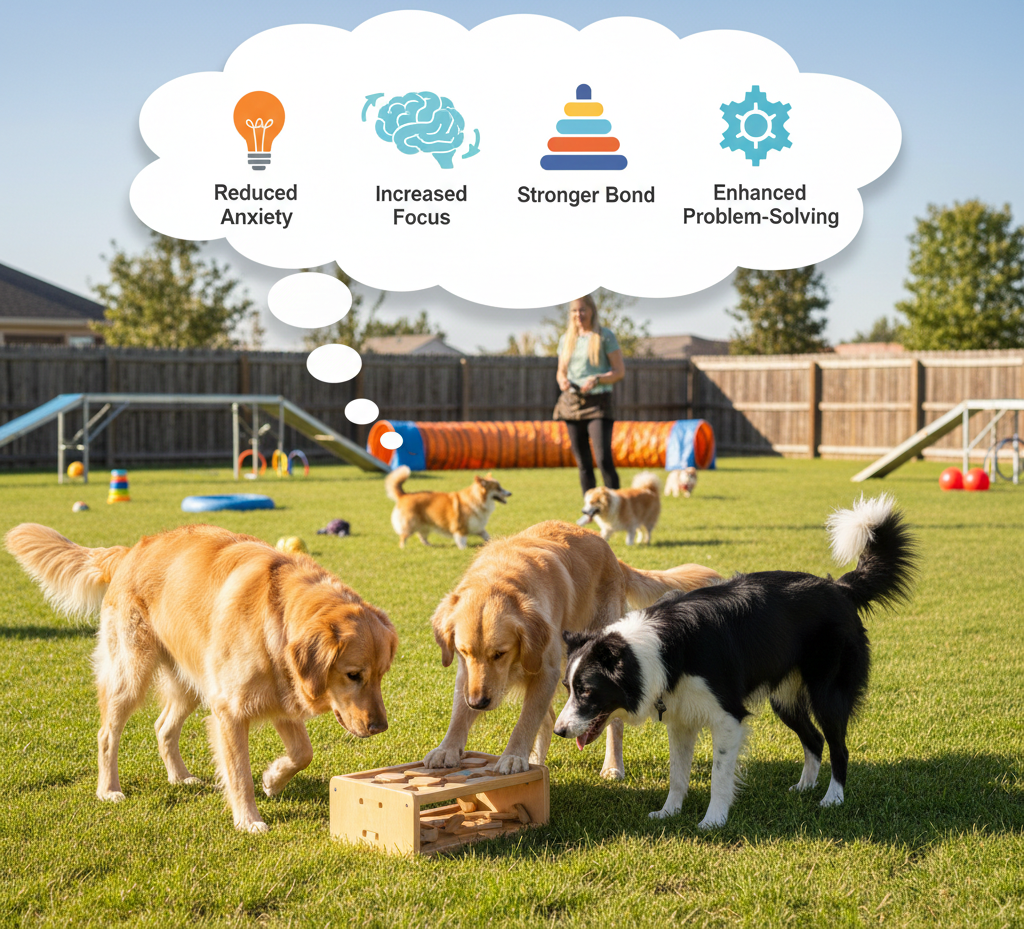
Improved behavior: Behavioral issues like chewing, barking, and digging can be lessened or eliminated with brain training.
Increased obedience: Brain training will help your dog become more focused and obedient, which will make training them easier.
Decreased anxiety and stress: By giving dogs a constructive way to express their intelligence and energy, brain training can help dogs feel less anxious and stressed.
Stronger relationship: By fostering a shared experience of learning and exploration, brain training can assist to enhance the bond between you and your dog.
Overall health and well-being: By keeping your dog mentally and physically engaged, brain training can enhance their general health and well-being.
How to train dogs with anxiety?
Training a dog with anxiety requires patience, consistency, and gentle methods. Anxiety is not bad behavior; it’s an emotional response to fear or stress. Here’s a clear, step-by-step explanation to help you train an anxious dog effectively.
Before training, understand why your dog is anxious. Common causes include:
1.Separation anxiety
Loud noises (thunder, fireworks)
Past trauma or poor socialization
New environments or people
2. Use Positive Reinforcement Training
Reward calm and confident behavior with:
Treats
Praise
Toys
3. Start With Basic Obedience Training
Sit
Stay
Come
Down
4. Desensitization to Triggers
Play soft noise recordings for noise anxiety.
Practice short departures for separation anxiety.
5. Counter-Conditioning
Pair the trigger with something positive treats or play
Example: Give treats when guests arrive
6. Create a Safe Space
A crate with bedding
A quiet room
Familiar toys
7. Maintain a Consistent Routine
Dogs feel safer with predictability:
Same feeding times
Regular walks
Scheduled training sessions
Mental & Physical Stimulation
Anxiety often worsens when dogs are bored:
Puzzle toys
Brain training games
Daily exercise
9. Stay Calm and Patient
Dogs pick up on human emotions. Stay relaxed, speak softly, and move slowly. Your calm behavior reassures your dog.
10. Seek Professional Help if Needed
Consult a professional dog trainer.
Work with a veterinary behaviorist.
Medication may be recommended in extreme cases.
How do I help my dog with severe anxiety?
1. Get a Proper Diagnosis
Severe anxiety often needs professional evaluation. A veterinarian or veterinary behaviorist can rule out medical issues and identify the type of anxiety:
Noise phobia
Generalized anxiety
Trauma-related fear
2. Avoid Punishment Completely
Never yell, scold, or use harsh corrections. Punishment increases fear and can make anxiety worse. Calm, reward-based training builds trust and safety.
3. Create a Safe and Calm Environment
Give your dog a secure space where they can relax:
Quiet room or covered crate
Soft bedding and familiar toys
Dim lighting and minimal noise
4. Use Positive Reinforcement Only
Reward calm behavior, even small ones:
Lying quietly
Making eye contact
Relaxed body posture
5. Gradual Desensitization to Triggers
Expose your dog to fear triggers very slowly:
Play thunder sounds at low volume.
Practice very short absences.
6. Counter-Condition Fear Responses
Change your dog’s emotional response by pairing triggers with rewards:
Give treats during storms.
Offer a favorite toy when guests arrive.
7. Maintain a Predictable Daily Routine
A consistent schedule reduces stress:
Same feeding and walking times
Regular training sessions
Predictable bedtime routine
8. Increase Mental and Physical Exercise
Anxious dogs often have excess nervous energy:
Daily walks
Puzzle feeders
Brain-training games
9. Use Calming Tools (If Recommended)
Some dogs benefit from:
Anxiety wraps (e.g., Thundershirt)
Calming pheromone diffusers
Vet-approved supplements
10. Consider Medication for Severe Cases
For extreme anxiety, medication may be necessary alongside training. Medication does not replace training, but it can lower anxiety enough for learning to occur.
What is the 7 7 7 rule for dogs?
The 7-7-7 rule for dogs explains how a dog adjusts to a new home, especially rescue or adopted dogs:
- First 7 days: The dog feels confused, scared, and overwhelmed. They are learning about their new environment.
- Next 7 weeks: The dog starts to settle in, builds trust, and learns routines and basic training.
- After 7 months: The dog feels fully comfortable, bonded, and confident in their new home.
What is the 10 10 10 rule for dogs?
The 10-10-10 rule for dogs describes how dogs adjust when being rehomed or introduced to a new environment:
- First 10 minutes: The dog is excited, anxious, or overstimulated.
- Next 10 days: The dog begins to decompress and learn the new routine.After 10
- weeks: The dog feels settled, bonded, and more confident.
Conclusion
Brain training plays a powerful role in helping dogs cope with anxiety and stress. Mental stimulation keeps a dog’s mind focused, reduces boredom, and promotes calm behavior. When dogs are mentally engaged, they feel more confident and less overwhelmed by their surroundings. Using gentle brain training exercises, along with positive reinforcement, helps anxious dogs learn how to relax and respond better to stress.
For dogs with severe anxiety, combining mental stimulation with routine, patience, and professional support can make a meaningful difference. Understanding adjustment guidelines like the 7-7-7 rule and 10-10-10 rule reminds dog owners that progress takes time.
Overall, regular brain stimulation, compassionate training methods, and realistic expectations create a safe, supportive environment where anxious dogs can slowly build confidence, reduce stress, and live a happier, more balanced life.

Puppy Obedience Training 101: A Beginner’s Guide to Raising a Well-Mannered Dog

Common Dog Behavior Problems and How to Fix Them

Puppy Commands for Off-Leash Safety: What Every Owner Needs

Best Age to Start Leash Training a Puppy for Calm Behavior

How to Fix Puppy Behavior Using Gentle Training

puppy-obedience-training-commands/Puppy Training Tips: A Complete Step-by-Step Guide for Beginners

Puppy Obedience Training 101: A Beginner’s Guide to Raising a Well-Mannered Dog
Common Dog Behavior Problems and How to Fix Them
Puppy Commands for Off-Leash Safety: What Every Owner Needs
Best Age to Start Leash Training a Puppy for Calm Behavior
How to Fix Puppy Behavior Using Gentle Training