
Dog Training
Why Dogs Bark at Night: A Simple Guide for Worried Pet Parents

Quick Summary:
Dogs bark at night for many reasons, including hearing noises, feeling anxious, needing the bathroom, boredom, or health problems. Most nighttime barking can be reduced with the right routine, training, and environment. This guide explains the most common causes and gives simple steps you can use tonight.
Does your dog bark at night and keep the whole house awake? You are not alone. Many pet parents deal with this same problem. The good news is that dogs bark at night for clear reasons, and once you understand them, you can fix the issue.
In this guide, we will explain why dogs bark at night, what it means, and how you can help your dog feel calm and quiet after dark.
Why Do Dogs Bark at Night?
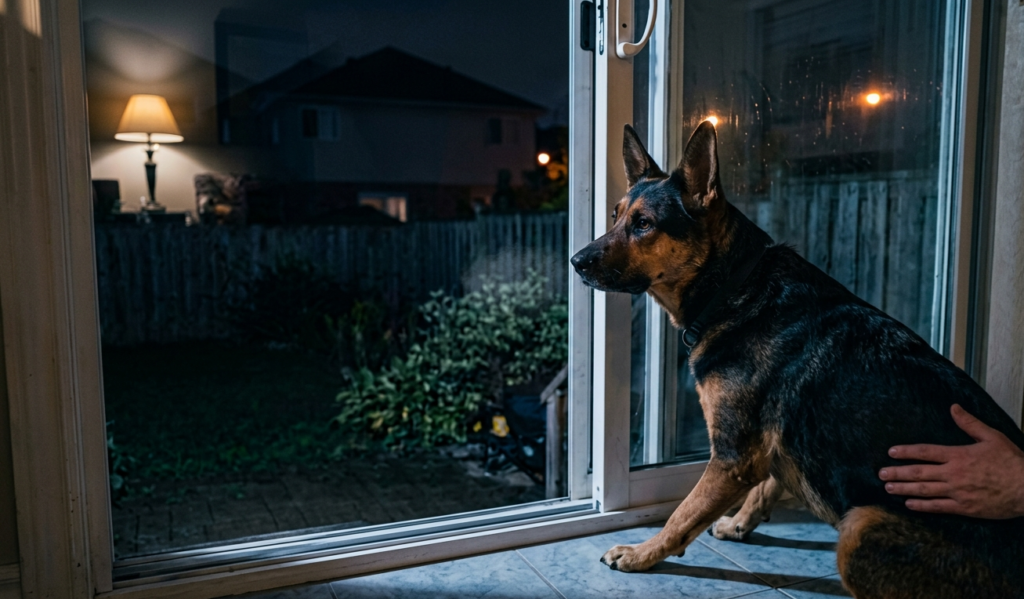
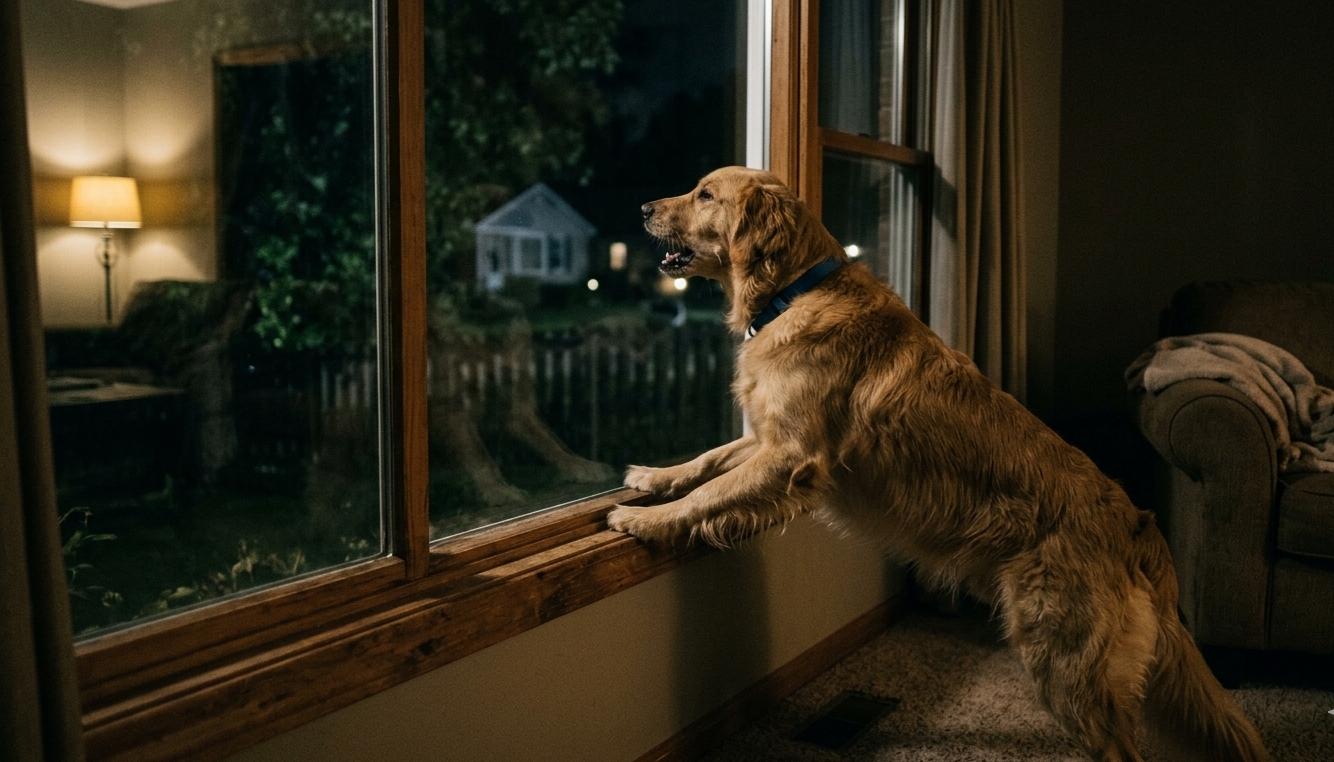
Dogs bark at night because something is catching their attention or causing them stress. Dogs have much sharper hearing and smell than humans. So sounds we cannot hear, like a cat outside or a car door down the street, can easily wake them up.
Barking is also how dogs talk to us. At night, when the house is quiet, even small sounds feel louder to your dog. This is one of the biggest reasons dogs bark at night more than during the day.
Common Reasons Dogs Bark at Night
1. They Hear or Smell Something Outside
This is one of the top reasons dogs bark at night. Your dog may hear another animal, a person walking by, or even wind moving a branch. Their senses are working overtime while the world is quiet.
2. Separation Anxiety
If your dog sleeps in a different room or you are out at night, they may bark out of fear or loneliness. This is common in puppies and newly adopted dogs.
3. Not Enough Exercise During the Day
A dog with extra energy will struggle to settle down at night. If your dog did not get enough playtime or walks, barking can be their way of releasing that leftover energy.
4. Needing the Bathroom
Sometimes the reason is simple. Your dog may need to go outside. Puppies and senior dogs especially may bark to let you know they need a bathroom break.
5. Health Issues or Pain
If your dog suddenly starts barking at night and this is new behavior, it could be a sign of pain, discomfort, or an underlying health issue. Older dogs may also experience confusion at night, known as canine cognitive dysfunction.
6. Boredom
Dogs that do not have enough mental stimulation during the day may become more alert and vocal at night. A bored dog is often a noisy dog.
7. Response to Household Noises
Things like the heater turning on, pipes settling, or even your phone vibrating can cause your dog to bark. Dogs notice changes in sound that we usually ignore.If your dog’s nighttime barking pattern has changed recently, it may help to review your [link to: Dog Behavior Changes Guide] to understand what is normal and what is not.
What Does It Mean When Dogs Bark at Night?
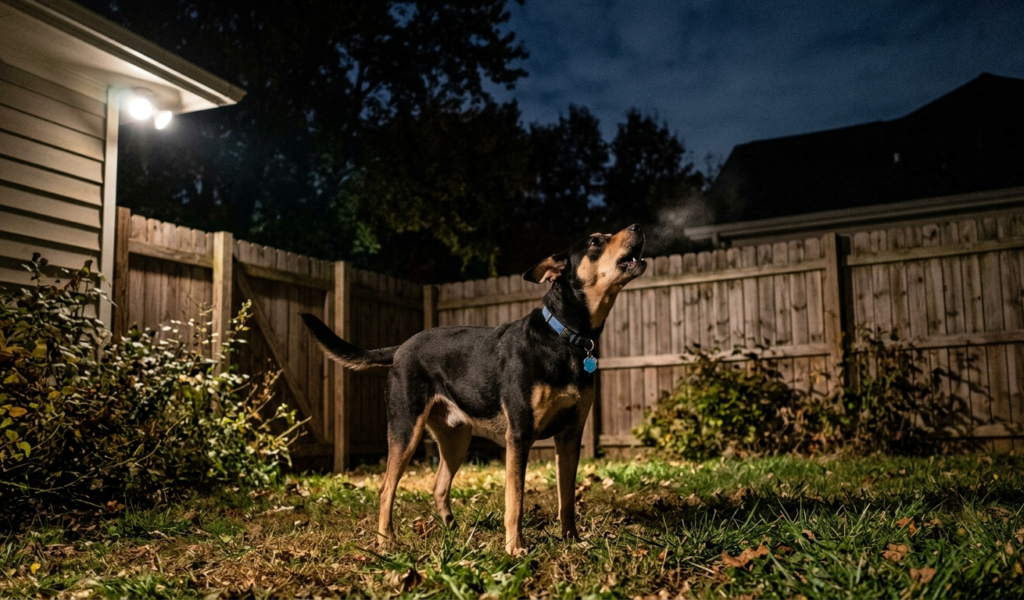
Barking at night usually means your dog is trying to tell you something. It could mean:
- They sense something unusual nearby
- They feel anxious or unsettled
- They want attention or company
- They are uncomfortable or in pain
- They are bored and seeking stimulation
Understanding the meaning behind the bark helps you respond the right way instead of just trying to stop the noise.
How to Stop Your Dog From Barking at Night
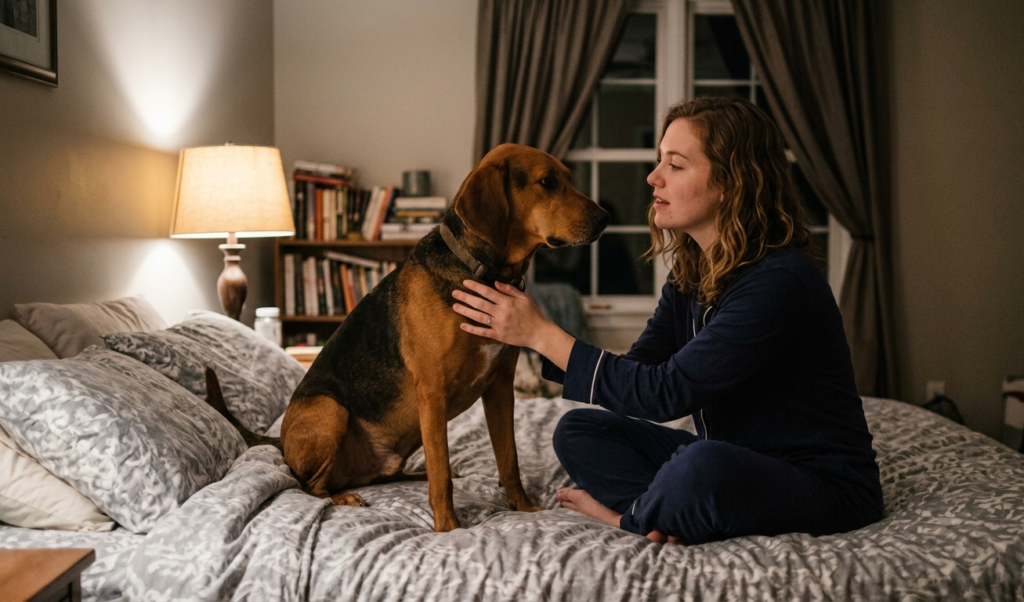
Give Them More Exercise During the Day
A tired dog sleeps better. Make sure your dog gets enough walks, playtime, and mental stimulation before bedtime. This is one of the easiest ways to reduce nighttime barking.Try to schedule the most active part of your dog’s day in the late afternoon or early evening.
A 20 to 30 minute walk, a game of fetch, or even a short training session can burn off extra energy. When dogs go to bed already tired, they fall into a deeper sleep and are less likely to wake up and bark at small noises.
For more tips on building a strong daily routine, check out our [link to: Daily Dog Exercise Routine].
Create a Calm Sleep Environment
Keep your dog’s sleeping area quiet, dark, and comfortable. A white noise machine or fan can help block outside sounds that may trigger barking.The location of your dog’s bed also matters. If their bed is near a window or front door, they are more likely to hear or see things outside that make them bark.
Moving the bed to a quieter corner of the house, away from direct street noise, can make a big difference. A cozy blanket or a familiar toy nearby can also help your dog feel more secure.
Stick to a Consistent Bedtime Routine
Dogs feel safe with routine. A consistent bedtime, like a short walk followed by quiet time, signals to your dog that it is time to relax and sleep.Try to keep the same bedtime every night, even on weekends.
A simple routine, such as a bathroom break, a calm cuddle, and then lights out, helps your dog’s body clock adjust. Over time, this routine becomes a clear signal that barking time is over and sleep time has started.
Avoid Reinforcing the Behavior
If you rush to comfort your dog every time they bark, they may learn that barking gets your attention. Instead, check on them calmly without too much excitement, then leave once you confirm they are safe.This does not mean ignoring your dog completely. It simply means responding in a calm, low energy way.
If you make a big fuss every time, your dog may start barking just to get you to come back. A quiet check, followed by a calm goodnight, teaches your dog that nighttime is for sleeping, not playing.
Rule Out Medical Issues
If barking is new or sudden, schedule a vet visit. Pain, anxiety, or age-related changes can all cause nighttime barking, and a vet can help identify the real cause.This is especially important for senior dogs. Older dogs can develop a condition called canine cognitive dysfunction, which is similar to confusion or memory loss in humans.
It often causes restlessness and barking at night. A vet visit can rule out pain, vision loss, or other health issues that may be behind the sudden change in behavior.
According to the American Veterinary Medical Association, sudden changes in a pet’s behavior, including increased vocalization, can sometimes signal an underlying health concern and should be discussed with a veterinarian.
Try Calming Aids
Calming beds, anxiety wraps, or vet-approved calming treats may help dogs who bark due to stress or anxiety. Always check with your vet before trying supplements.Products like weighted calming beds or snug fitting anxiety wraps work by giving your dog a feeling of gentle pressure, similar to a hug.
This can lower stress levels and help anxious dogs settle down faster. Calming treats with natural ingredients like chamomile or melatonin are also popular, but it is best to confirm the right dosage with your vet first.
When Should You Worry About Nighttime Barking?
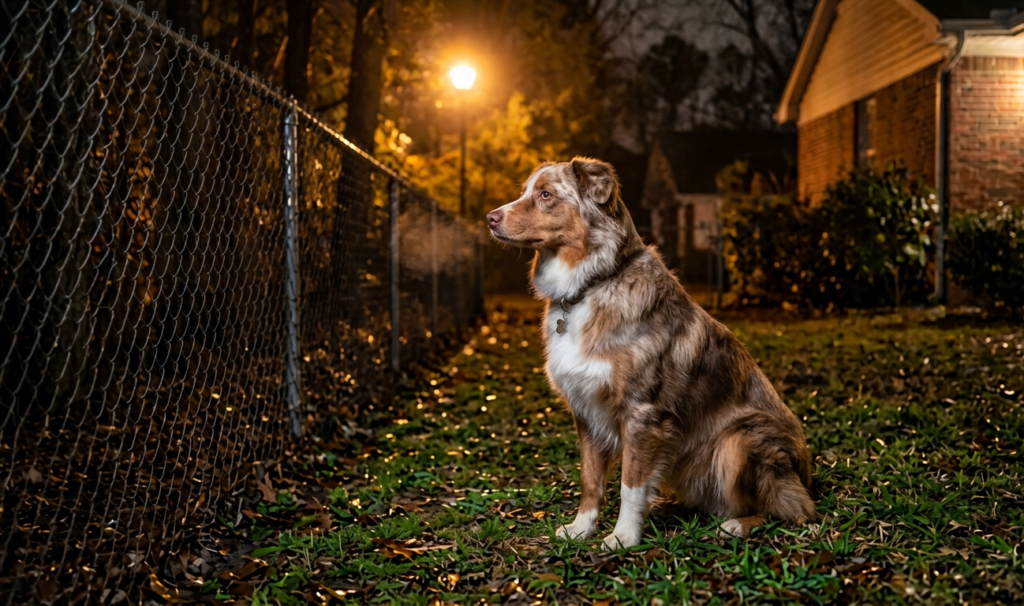
Occasional barking is normal. But you should pay closer attention if:
- The barking is sudden and out of character
- Your dog seems distressed, not just alert
- It happens every night without a clear trigger
- Your dog shows other signs like pacing, whining, or accidents
These signs may point to anxiety, pain, or cognitive changes that need professional support.
Final Thoughts
Dogs bark at night for many reasons, from hearing something outside to feeling anxious or simply needing the bathroom. Most of the time, this behavior can be managed with a better routine, more exercise, and a calm sleep environment.
If the barking continues or seems unusual, do not hesitate to speak with your veterinarian. Understanding why your dog barks at night is the first step to helping both of you get a peaceful night’s sleep.
Frequently Asked Questions
Why does my dog bark at night for no reason?
Dogs bark at night often bark at sounds or smells that humans cannot detect. It may seem like there is no reason, but your dog is likely reacting to something real, even if you cannot sense it.
Is it normal for dogs to bark at night?
Dogs bark at night Yes, occasional barking at night is normal. However, frequent or sudden barking may signal anxiety, boredom, or a health issue that needs attention.
How do I get my dog to stop barking at night?
Increase daytime exercise, create a calm sleep space, stick to a consistent bedtime routine, and avoid rewarding the barking with attention.
Can separation anxiety cause nighttime barking?
Yes, dogs with separation anxiety often bark at night, especially if they sleep alone or feel disconnected from their owner.
Should I ignore my dog barking at night?
If your dog is safe and the barking seems behavioral rather than medical, calmly checking on them without excessive attention can help reduce the behavior over time.
When should I take my dog to the vet for night barking?
If the barking is sudden, frequent, or paired with signs of pain or confusion, it is best to schedule a vet visit to rule out medical causes.

Puppy Obedience Training 101: A Beginner’s Guide to Raising a Well-Mannered Dog

Common Dog Behavior Problems and How to Fix Them

Puppy Commands for Off-Leash Safety: What Every Owner Needs

Best Age to Start Leash Training a Puppy for Calm Behavior

How to Fix Puppy Behavior Using Gentle Training

puppy-obedience-training-commands/Puppy Training Tips: A Complete Step-by-Step Guide for Beginners

Puppy Obedience Training 101: A Beginner’s Guide to Raising a Well-Mannered Dog
Common Dog Behavior Problems and How to Fix Them
Puppy Commands for Off-Leash Safety: What Every Owner Needs
Best Age to Start Leash Training a Puppy for Calm Behavior
How to Fix Puppy Behavior Using Gentle Training