
Dog Training
Training an Adolescent Dog: Why the “Teenage Phase” Needs a Different Approach

Quick Summary:
Training an adolescent dog brings a different set of behavior problems than puppy training. Most dogs hit adolescence around 6 months and stay there until 18 to 24 months, dealing with hormonal shifts, brain changes, and a temporary drop in impulse control.
This guide explains why your dog seems to “forget” their training, breaks down common adolescent behavior problems, and gives you a clear plan for reinforcing commands, managing distractions, and rebuilding reliable recall during this phase.
If your sweet, obedient puppy has suddenly turned into a dog who ignores you, pulls on the leash, and acts like they’ve never heard the word “sit” in their life, you are not imagining it. Training adolescent dog behavior problems is one of the most searched topics among dog owners, and for good reason.
The teenage phase catches almost everyone off guard. The good news is that this stage is temporary, predictable, and very manageable once you understand what is actually happening inside your dog’s brain. This guide walks you through why adolescence is different from puppyhood and exactly how to adjust your training approach.
What Happens During the Dog “Teenage” Phase
Training an adolescent dog typically begins around 6 months and can last until your dog is 18 to 24 months old, depending on breed and size. During this stage, a dog’s brain experiences significant remodeling, especially in the prefrontal cortex, the area responsible for decision-making, impulse control, and social behavior. Caninelearningacademy
This is exactly why training adolescent dog behavior problems looks so different from training a puppy. Your dog is not being defiant. Their brain is temporarily prioritizing emotional reactions over the impulse control needed to follow commands calmly.
Hormonal and Behavioral Changes
Hormonal changes during adolescence can increase certain behaviors in both intact and neutered dogs, including increased mounting, humping, and scent marking. Combine this with a growing curiosity about the world, and you get a dog who is easily distracted and quick to test limits. Preventive Vet
Why Your Dog Suddenly “Forgets” Training
One of the most frustrating parts of this stage is watching a dog who once nailed every command suddenly act clueless. Research backs up what owners are seeing firsthand. A study from Newcastle University found that dogs were more likely to ignore commands from their caregiver.
were harder to train around eight months of age, the point at which they go through puberty. Your dog has not lost the skill. They are simply struggling to access it consistently while their brain reorganizes itself. ncl
Common Adolescent Dog Behavior Problems
Training an adolescent dog Understanding the specific behaviors that show up during this stage makes them much less alarming when they happen. Adolescence in dogs (roughly 6 to 18 months, varying by breed) often brings a cluster of behaviors that can feel like regression but are actually a normal developmental phase.
Training an adolescent dog at this age frequently show a temporary loss of previously solid obedience, including ignoring recall commands or “selective hearing” when distracted, as their brains undergo significant rewiring and their independence increases.
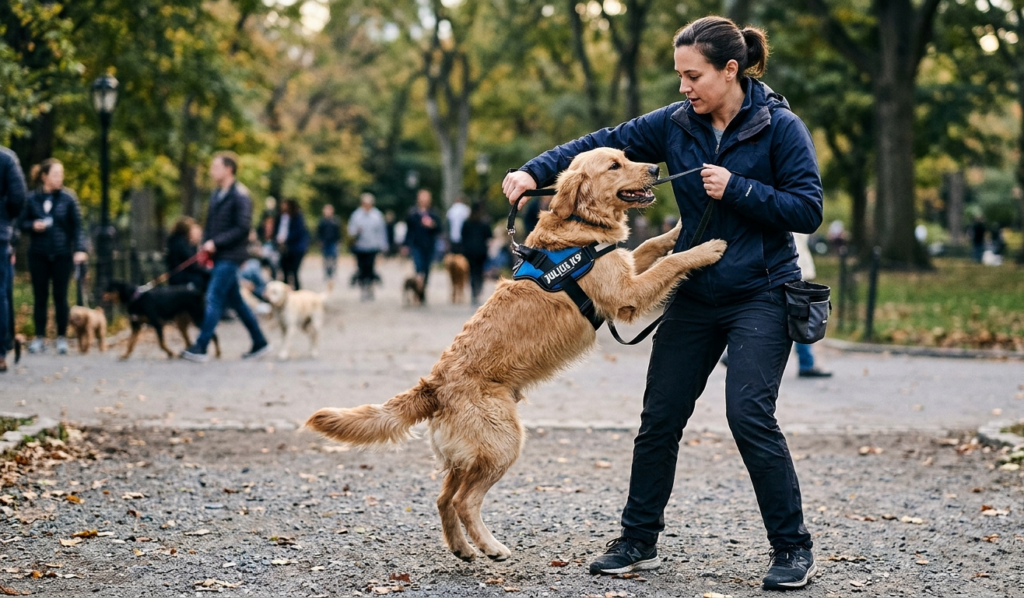
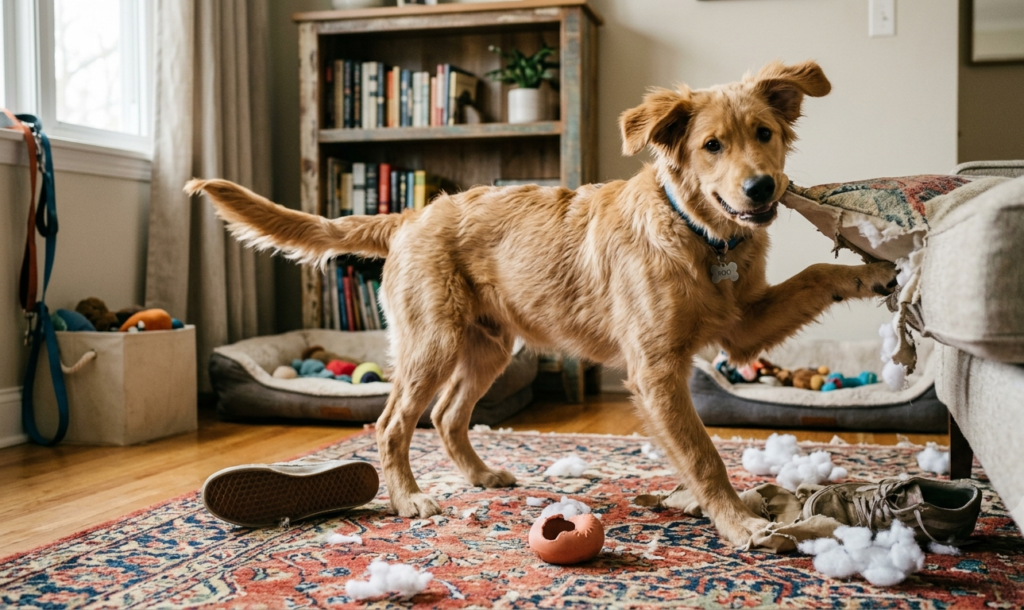
Other common issues include renewed destructive chewing (driven by teething finishing up and general restlessness), heightened reactivity or fear toward unfamiliar people, dogs, or situations even if the puppy was previously confident, increased leash pulling or excitability, mounting or humping behavior linked to rising hormone levels.,
Testing boundaries such as resource guarding or mild pushiness around food and toys. These behaviors typically peak between 8 and 12 months and gradually resolve with consistent training, patience, and continued socialization, so recognizing them as a predictable phase rather than a sign of a “bad dog”
failed training helps owners respond calmly and keep reinforcing good habits rather than panicking or giving up.
Selective Hearing and Boundary Testing
Your dog may seem to hear you perfectly fine when food is involved, then completely ignore a recall cue the moment a squirrel runs by. This selective hearing is a hallmark of adolescent dog behavior problems, not a sign that your training failed.
Increased Energy and Destructiveness
As your dog’s body matures, their energy levels often climb. Without enough physical and mental outlets, that energy tends to show up as chewing, digging, or general chaos around the house.
Regression in Previously Learned Behaviors
Training an adolescent dog It is common for adolescent dogs to backslide on commands they had already mastered, including recall, leash manners, and settling calmly. This regression is a normal developmental phase, not evidence that your dog is untrainable.
Reinforcing Old Commands the Right Way
Training an adolescent dog The instinct during this phase is often to add more corrections or repeat commands more firmly. Veterinary behavior experts actually recommend the opposite approach. During adolescence, dogs often appear to “forget” commands they previously knew well, and the natural human instinct is to repeat the cue more sternly, raise the voice, or add corrections to force compliance.
Veterinary behaviorists generally advise against this, since adolescent dogs aren’t being defiant so much as genuinely distracted by a flood of new hormonal and neurological changes, and harsh corrections at this stage can damage trust and increase anxiety or reactivity rather than improve reliability.
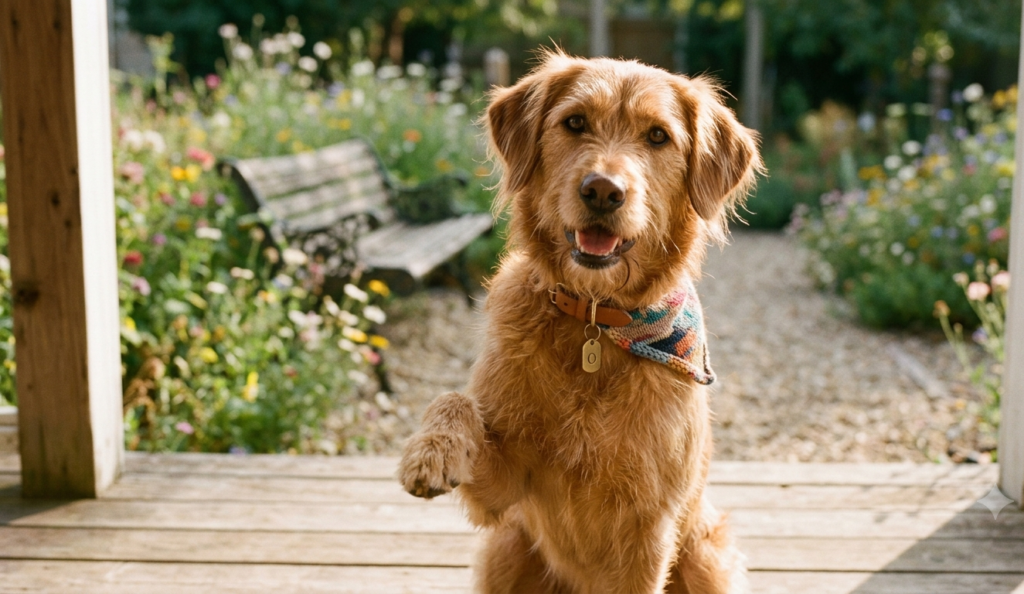
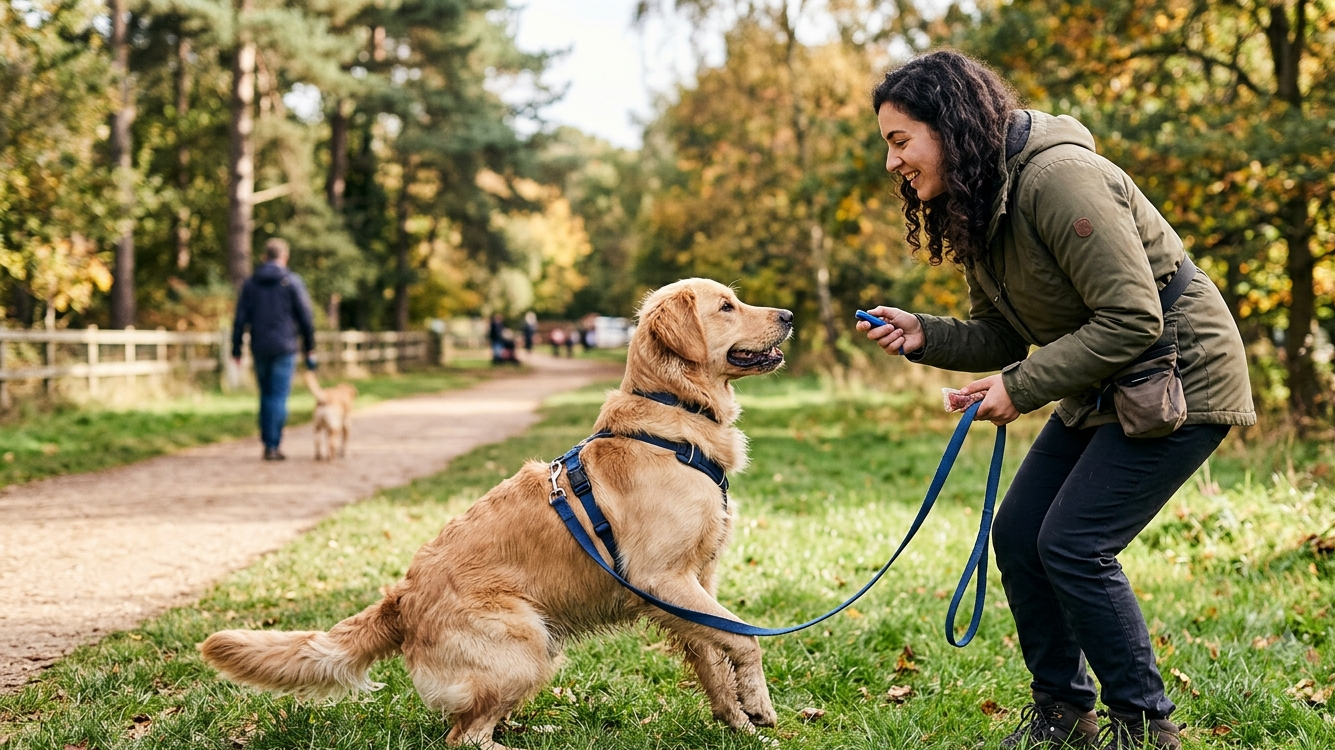
Instead, the recommended approach is to go back to basics: re-teach known commands as if starting fresh, using high-value rewards, short and upbeat training sessions, and practicing in low-distraction environments before gradually reintroducing distractions.
This rebuilds the behavior as a positive, reliable habit rather than turning training sessions into a battle of wills, and it tends to produce a more confident, cooperative adult dog than a more forceful approach would.
Going Back to Basics Without Frustration
Training an adolescent dog Lower your expectations temporarily and practice commands in easier, low-distraction settings before working back up to the real world. If your dog struggled with “stay” at the park, take a step back and practice it in your living room again first.
Using High-Value Rewards
Regular kibble often will not cut it during adolescence. Switch to higher-value treats like small pieces of chicken or cheese when working around distractions, since your dog’s motivation needs an extra boost while their brain is in flux.
Leash and Recall Training During Adolescence
Two of the most commonly reported adolescent dog behavior problems are leash pulling and unreliable recall, and both need a slightly different strategy than what worked during puppyhood.
Managing Distractions Outdoors
Training an adolescent dog Keep your adolescent dog on a leash or long line in unfenced areas, even if their recall used to be solid. This is not a punishment. It is simply smart management while their impulse control catches up to their curiosity.
Building Reliable Recall
Practice recall daily in a variety of locations, starting easy and slowly increasing distractions. Reward every single successful recall, even the ones that feel “too easy,” to keep building a strong, positive association with coming back to you.
How Spaying and Neutering Can Affect Behavior
Many owners notice behavior shifts around the same time their dog is spayed or neutered, which often overlaps with the adolescent stage. Hormonal changes from this procedure can influence energy levels, marking behavior, and sometimes confidence.
If you are planning this procedure, talk to your veterinarian about timing and what behavior changes to expect, since every dog responds a little differently.
A Simple Plan for Surviving the Teenage Phase
Training adolescent dog behavior problems comes down to consistency rather than correction. Keep training sessions short and upbeat, manage your dog’s environment so bad habits cannot rehearse themselves, and remind yourself often that this phase is temporary. Most dogs settle into calmer, more reliable adults once they pass through adolescence, especially when owners stay patient instead of giving up on training altogether.
Frequently Asked Questions
At what age do dogs become difficult to train?
Most dogs become noticeably harder to train around 6 to 8 months old, which is when canine adolescence typically begins. This difficulty usually peaks between 8 and 12 months before gradually improving.
Why does my dog ignore commands he used to know?
This is called training regression, and it happens because your dog’s brain is temporarily prioritizing emotional responses over impulse control during adolescence. It does not mean your dog forgot the command permanently.
How long does the dog teenage phase last?
Canine adolescence generally lasts from around 6 months to 18 or 24 months, depending on the breed and size of your dog. Larger and slower maturing breeds often take longer to settle.
Should I use stricter corrections during adolescence?
No. Most veterinary behaviorists recommend more consistency and management rather than stricter corrections, since adding pressure during this emotionally sensitive stage tends to backfire.
Is it normal for my dog to act out more after being neutered?
Training an adolescent dog Some behavior changes are common around this time, partly due to hormonal shifts and partly because neutering often happens during the adolescent stage anyway. Talk to your vet if changes seem severe or sudden.
Final Thoughts
Training adolescent dog behavior problems can feel discouraging, especially after a smooth puppyhood. But this phase is a normal, biologically driven part of your dog’s development, not a step backward.
Stay consistent, lower the pressure, lean on high-value rewards, and keep showing up for short training sessions. Your dog is not broken. They are simply growing up, and with patience, they will come out the other side as a calmer, more reliable companion.
For additional science-based guidance on this stage, the RSPCA’s guide to managing adolescent dogs is a helpful resource to read alongside this article.

Puppy Obedience Training 101: A Beginner’s Guide to Raising a Well-Mannered Dog

Common Dog Behavior Problems and How to Fix Them

Puppy Commands for Off-Leash Safety: What Every Owner Needs

Best Age to Start Leash Training a Puppy for Calm Behavior

How to Fix Puppy Behavior Using Gentle Training

puppy-obedience-training-commands/Puppy Training Tips: A Complete Step-by-Step Guide for Beginners

Puppy Obedience Training 101: A Beginner’s Guide to Raising a Well-Mannered Dog
Common Dog Behavior Problems and How to Fix Them
Puppy Commands for Off-Leash Safety: What Every Owner Needs
Best Age to Start Leash Training a Puppy for Calm Behavior
How to Fix Puppy Behavior Using Gentle Training