
Puppy Obedience Training
Puppy Obedience Training 101: A Beginner’s Guide to Raising a Well-Mannered Dog

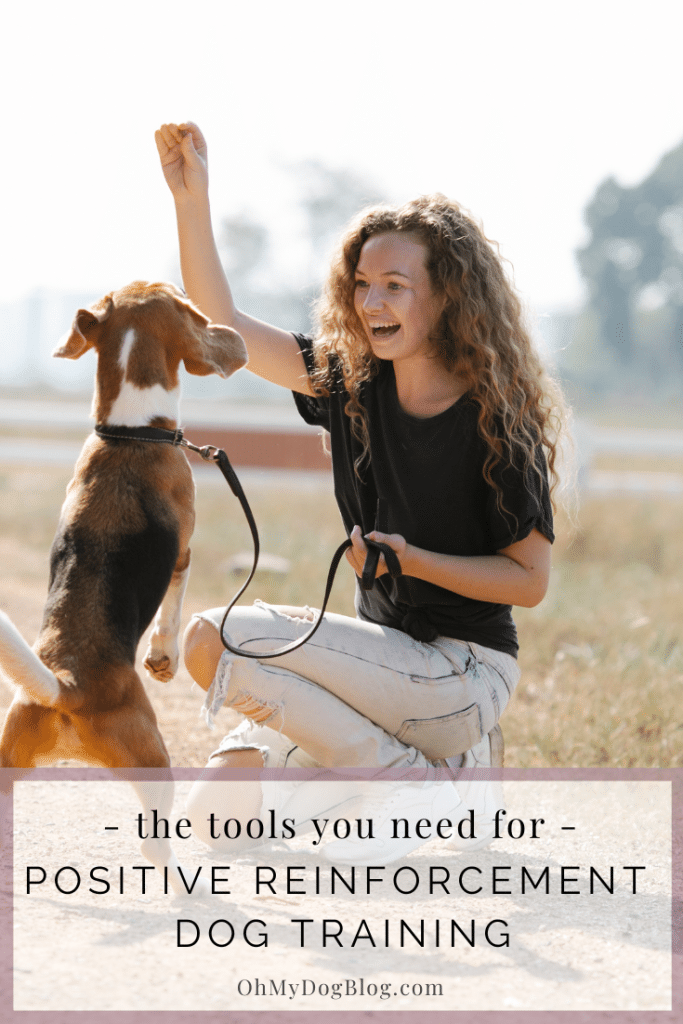
Puppy obedience training is one of the first questions every new dog owner asks, and the answer matters more than most people realize. Many people assume they should wait until their puppy is several months old, but the truth is, training can and should begin much earlier than most people think.
A puppy’s brain is developing rapidly in those first few weeks, and every interaction you have with them is teaching them something, whether you intend it to or not .Puppy obedience training often gets delayed because new owners feel their puppy is “too young” or “not ready” to learn anything meaningful, especially in the first few days after coming home.
In reality, this early period is one of the most valuable windows you’ll ever have. A puppy that hasn’t yet developed strong habits is far easier to guide than one that has already learned, on its own, that jumping gets attention or that barking makes the mail carrier “go away.
” Waiting even a few weeks can mean the difference between gently shaping good behavior and having to undo an unwanted habit later.Puppy obedience training also isn’t just about commands like”sit ” and”stay ” it’s about communication. The earlier you start, the sooner your puppy learns to read your cues, understand boundaries,
What Is Puppy Obedience Training?
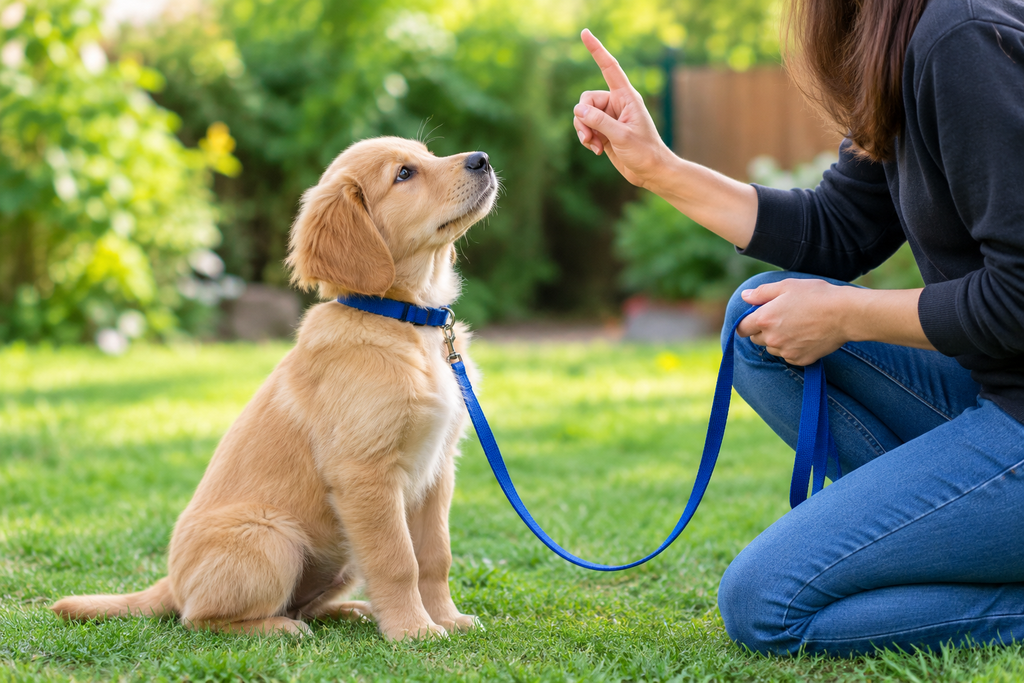
Obedience training teaches your puppy to reliably respond to a set of core cues like sit, stay, come, and down regardless of distractions around them. It’s different from simple “tricks” because the goal is consistency: your puppy should respond the same way every time, whether you’re at home, at the park, or somewhere new and exciting.
At its core, puppy obedience training is really about communication. Puppies don’t understand English, but with repetition and the right rewards, they learn to associate a sound or word with an action and eventually, with a positive outcome.
Many new owners assume puppy obedience training is only for dogs headed toward competition or show rings, but that’s not the case at all. The same basic principles that prepare a dog for a formal obedience trial are exactly what make a family pet pleasant to live with a dog that doesn’t drag you down the street, doesn’t jump on guests, and comes back the first time you call.
In that sense, every puppy benefits from at least basic obedience work, regardless of whether you ever set foot in a training ring.
Why Start Puppy Obedience Training Early?
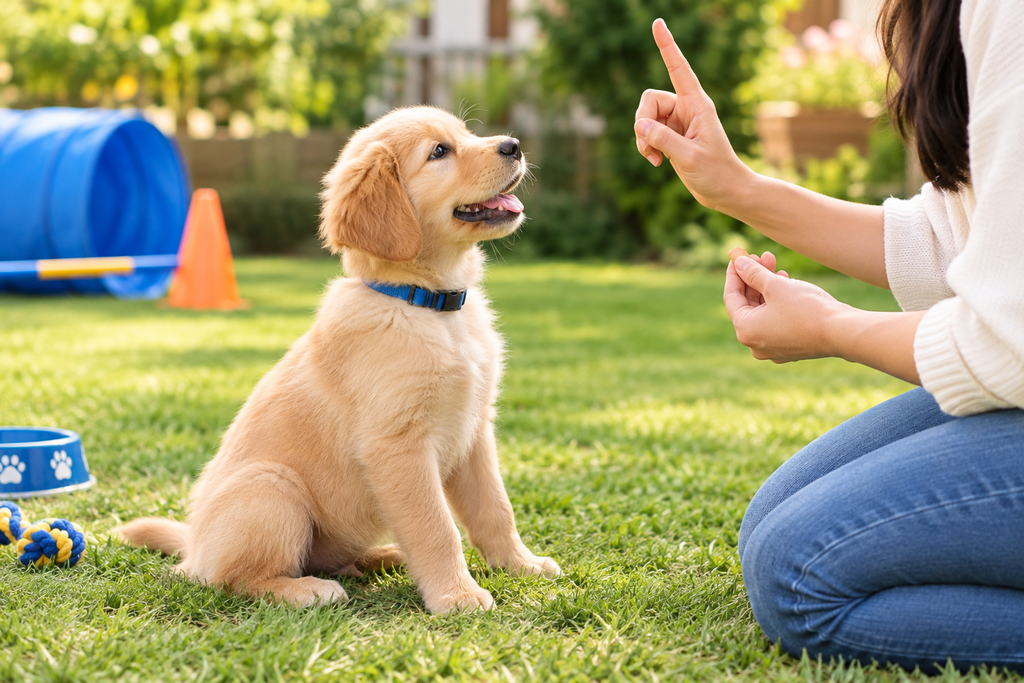
Puppies are most receptive to learning between 8 weeks and 6 months of age. This window is often called a critical development period during this time, a puppy’s brain is unusually open to forming new associations and habits, both good and bad.
Waiting too long to start doesn’t ruin anything, but it does mean you’ll be working against habits that are already forming, rather than shaping them from scratch. A puppy that learns to jump on People for attention at 10 weeks old will need active retraining at 6 months, whereas a puppy taught the right behavior from day one never develops the habit in the first place.
Starting early helps with:
- Safety :A puppy that reliably comes when called or stays put is far less likely to run into traffic or dangerous situations.
- Confidence :Structured training gives puppies a sense of predictability, which reduces anxiety and fearfulness later in life.
- Household harmony :Fewer behavior problems like jumping, pulling, or ignoring you means less daily frustration for everyone.
- A stronger bond :Positive reinforcement training builds trust, since your puppy learns that listening to you consistently leads to good things.
The Five Core Obedience Commands

Most professional trainers agree that these five cues form the foundation of any successful puppy obedience training plan.
1. Sit
Hold a treat close to your puppy’s nose, then slowly move it upward and back over their head. As their nose follows the treat, their bottom will naturally lower to the ground. The moment they sit, say “sit” and reward them immediately.
2. Stay
Once your puppy reliably sits, ask them to stay by holding up a flat palm and taking one step back. Reward them for holding the position for just a second or two at first, then gradually increase the duration and distance.
3. Come
This is one of the most important safety commands you’ll teach. Start in a quiet, distraction-free space. Crouch down, say your puppy’s name followed by “come,” and reward enthusiastically the moment they reach you even if it takes a while at first.
4. Down
With your puppy sitting, hold a treat at their nose and slowly lower it straight to the floor. Their body should follow the threat into a lying position. Say “down” as they settle, then reward.
5. Leave It
Place a treat in your closed fist and let your puppy sniff and paw at it. The instant they stop trying and pull away, say “leave it,” open your hand, and reward with a different treat. This teaches self-control rather than just redirecting greed.
Understanding Positive Reinforcement
Before diving into training sessions, it helps to understand why positive reinforcement is the backbone of effective puppy obedience training. When a puppy performs a behavior and immediately receives something rewarding such as a treat, praise, or a favorite toy their brain forms a strong association between the action and the good outcome.
Repeated enough times, this association becomes automatic, and eventually the puppy will offer the behavior even without an obvious reward waiting.This is different from older, correction-based training methods that rely on stopping unwanted behavior through discomfort or intimidation.
Modern trainers and behaviorists overwhelmingly favor reward-based methods because they build a trusting relationship rather than a fearful one, and because puppies trained this way tend to be more confident and more willing to try new things, an important trait for lifelong learning.
Not every puppy is motivated by the same reward, either. Some are highly food-driven and will do almost anything for a small treat, while others respond better to a favorite toy or a quick play session. Pay attention to what excites your particular puppy and use that as your primary training currency.
Tips for Successful Training Sessions
- Keep sessions short. Puppies have short attention spans; five to ten minutes per session is plenty.
- Train before meals, not after. A slightly hungry puppy is far more motivated by treats.
- End on a win. Always finish a session with a command your puppy already knows well, so training ends on a positive note.
- Be consistent with your words. If you say “down” one day and “lie down” the next, you’ll confuse your puppy. Pick one word per command and stick with it.
- Avoid punishment. Puppy obedience training works best through reward, not correction. Fear-based methods can damage trust and slow progress significantly.
If your puppy seems to be struggling more than expected, it’s worth ruling out other issues first. Our guide on common dog behavior problems and how to fix them covers signs that may need a slightly different approach.
Common Mistakes to Avoid
Even well-meaning owners can accidentally slow down their puppy’s progress. Watch out for these:
- Training for too long :Long sessions lead to frustration and mental fatigue, not better learning.
- Inconsistent rewards : Rewarding a behavior sometimes and ignoring it other times confuses your puppy about what’s expected.
- Skipping real-world practice :A puppy that only listens in a quiet living room hasn’t truly learned the command yet. Practice in new environments with mild distractions once the basics are solid.
- Rushing to off-leash freedom :Reliable recall takes months of practice before it’s safe to trust off-leash, especially near roads or other animals. Our guide on puppy commands for off-leash safety walks through exactly how to build up to this safely.
How Long Does Puppy Obedience Training Take?
Most puppies can learn the five basic commands within four to eight weeks of consistent daily practice, though true reliability responding instantly, even with distractions often takes several months to fully develop. Every puppy learns at their own pace, and breed, temperament, and consistency all play a role.
According to the American Kennel Club, giving your puppy a strong foundation with these basic cues early on sets them up for success in any future training, whether that’s advanced obedience, therapy work, or simply being a well-mannered companion.
Frequently Asked Questions
What age should I start obedience training my puppy?
You can start as early as 8 weeks old. Puppies are capable of learning basic cues like sit and come well before they’re fully vaccinated, as long as training happens in a safe, controlled space.
How many times a day should I train my puppy?
Two to three short sessions of five to ten minutes each, spread throughout the day, work better than one long session.
Is obedience training the same as house training?
No. House training teaches bathroom habits, while obedience training teaches responsive behavior to specific commands. Both are important, but they’re separate processes.
Can I train my puppy myself, or do I need a professional?
Most basic puppy obedience training can absolutely be done at home with patience and consistency. A professional trainer or puppy class can help with socialization and more complex behavior issues.
What’s the best reward to use during training?
Small, soft treats that your puppy can eat quickly work best, since they won’t interrupt the flow of a training session. Praise and play can also be effective once a behavior is well established.
Final Thoughts
Puppy obedience training isn’t about creating a robotic dog, it’s about building trust, safety, and a shared understanding between you and your new companion. Start with the five basic commands, keep sessions short and positive, and stay consistent. With a little patience, you’ll have a puppy that listens not out of fear, but because they genuinely want to please you.
Ready to build on these basics? Check out our complete Puppy Training Guide for tips on socialization, house training, and raising a confident, well-rounded dog.

Puppy Obedience Training 101: A Beginner’s Guide to Raising a Well-Mannered Dog

Common Dog Behavior Problems and How to Fix Them

Puppy Commands for Off-Leash Safety: What Every Owner Needs

Best Age to Start Leash Training a Puppy for Calm Behavior

How to Fix Puppy Behavior Using Gentle Training

puppy-obedience-training-commands/Puppy Training Tips: A Complete Step-by-Step Guide for Beginners

Puppy Obedience Training 101: A Beginner’s Guide to Raising a Well-Mannered Dog
Common Dog Behavior Problems and How to Fix Them
Puppy Commands for Off-Leash Safety: What Every Owner Needs
Best Age to Start Leash Training a Puppy for Calm Behavior
How to Fix Puppy Behavior Using Gentle Training