
Puppy Training
Aggressive Puppy Training Tips to Stop Biting and Growling


Aggressive puppy training differentiating not normal play from true aggression is vital for puppy owners. Early aggression is not rare and stems from genetics, poor socialization, or isolation, potentially harming future relationships.
Biting, nipping, and mouthing are typical aspects of puppy development. Your dog can investigate their surroundings and engage with humans or animals thanks to its mouth and teeth. However, biting, nipping, and rough play can quickly turn into dangerous or aggressive behavior. Check out our advice on teaching a puppy not to bite.
You may safely redirect your dog’s inclinations, find toys and accessories that encourage positive behavior, and deepen your relationship if you are persistent and patient. It’s difficult to recognize that our cute little puppies may be exhibiting signs of aggression. You will all be more happy if you work with your puppy to improve their behaviors.
But if you are patient and understanding, the early indications and sources of puppy aggressiveness are essential to effectively reducing and reversing aggression.
How to deal with aggressive puppies?
After the puppy has finished eating, encourage him to go with some rewards so you may securely remove the dish. When working with a trainer, take an aggressive puppy that is acting aggressively against other dogs on a leash in peaceful places.
Since you don’t often meet other off-lead dogs, street strolling is a smart strategy in many regions. Another place where other canines aren’t frequently seen is in supermarket parking lots. Bring some delicious food along for the stroll.
Give the indication “this way” if you see another dog, and use the food to entice him to walk the other way. Tossing some delicious goodies in the direction of an off-lead dog will give you a few minutes so you can turn and leave. Recall that you must act before your dog responds.
Overhandling can result in grooming or health checks, as well as a number of other problems, while putting on a harness. In these circumstances, food is the best kind of management. Wet food may be dispensed using Kongs. Keeping the family safe.
It’s crucial that small children don’t disturb pups while they’re feeding.It should continue to be a golden rule. When a dog is around, children should always be actively rather than passively monitored. Every child-dog contact should follow similar guidelines.
Diagnosis Aggression Behaviour of a puppy
The most important aspect of learning is puppy biting or mouthing. Puppies use it to learn about their surroundings and how to communicate with their human relatives and siblings. This is frequently accompanied by excessive excitement and can be abrupt, unpleasant, and ongoing. Certain times of day and grabbing clothing with the hands and feet are symptoms.
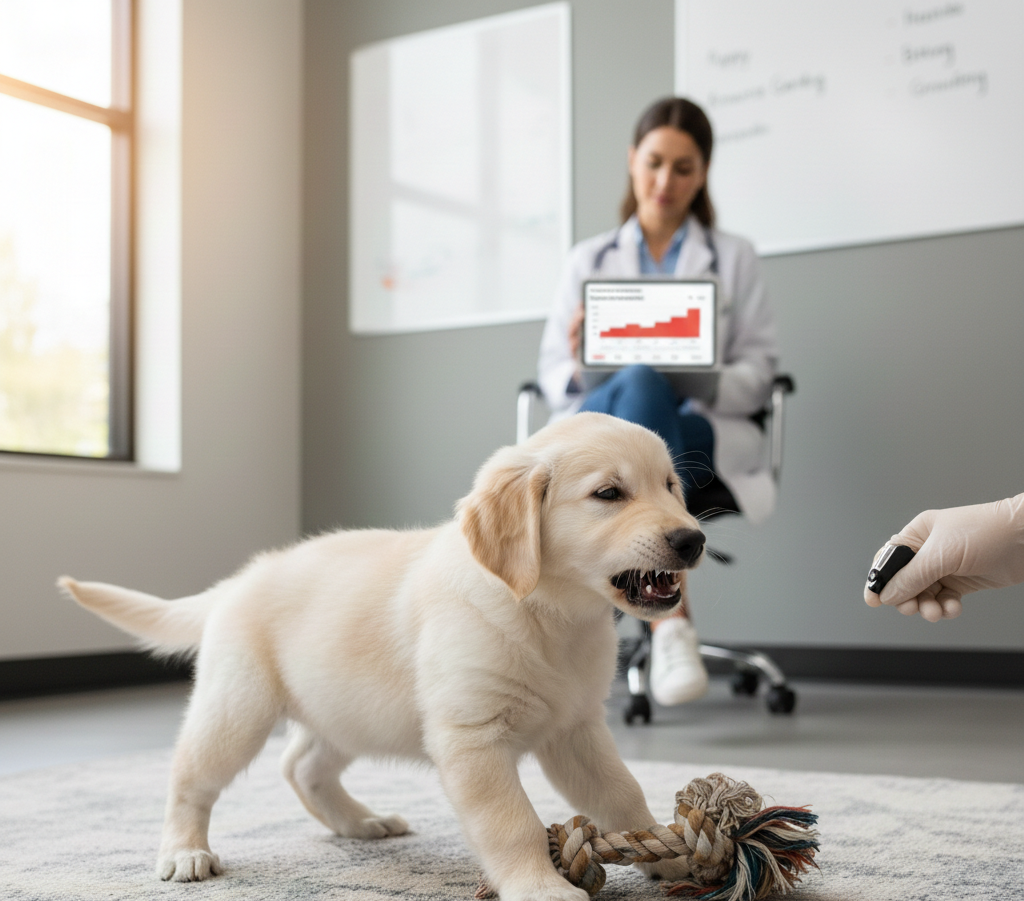
Aggressive puppy.
Play can include shouting, growling, biting, and too passionate play. The pups should play in an equitable way, alternating between chasing and dominating. Different breeds play in different ways. For example, certain kinds of dogs like to chase, whereas terriers like to bite their legs.
How to stop puppy aggression?
It takes practice to understand the way your pup speaks language, but there will be some clear indicators. Symptoms include wriggling, licking lips, snarling, snapping, and biting hands. Touching your dog for five seconds and then stopping is a straightforward test.
Your puppy is most likely loving what you are doing if he nudges you for extra attention. He would probably prefer that you not touch him in that manner if he doesn’t.
Aggressive Puppy Training Management
Aggressive puppy training management focuses on guiding young dogs away from aggression, nurturing emotional growth, and ensuring proper handling.
Finding triggers, such as physical play, food guarding, strangers, or loud noises, is the first step. Limiting exposure to stressful events, using a leash or puppy gate for control, and establishing a calm, predictable routine are all important aspects of environmental management.
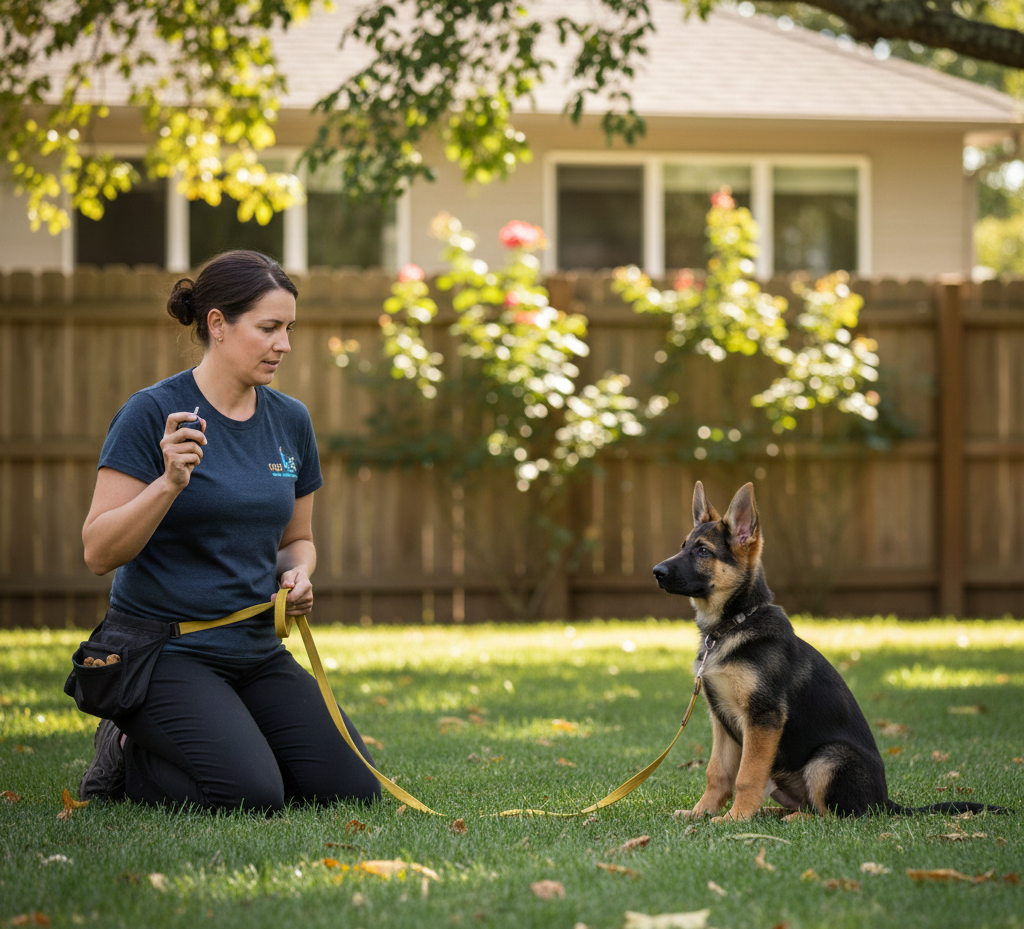
Aggressive puppy training.
You can deal with the problems during training by using aggressive training management.
Mouthing
Redirecting this to an appropriate chew toy is the best line of action. To ensure that the redirection is completed promptly, keep a number of appropriate materials on hand, including one in your pocket.
If the level of excitement is rising too much, stop the play. Recall your puppy when they are not with their companion. Sessions should be brief, especially when working with new canines. Limit lead interactions to five seconds.
When biting becomes aggression
A puppy tantrum is characterized by tense face and body muscles, drawn lips, exposed fangs, snarling, and biting. Avoid yelling because your pet can react violently. Remain composed and emotionless, and grip them tightly without limiting them.
Let them leave after they have calmed down. Think about what’s going on. Do they seem terrified, intimidated, overstimulated, exhausted, hungry, sickly, or compelled to remain still when they want to play? Make an effort to satisfy their wants.
To help them relax, place them in a crate, playpen, or quiet area. Next, provide praise or sweets as a kind of positive reinforcement. For further assistance, think about signing them up for puppy school.
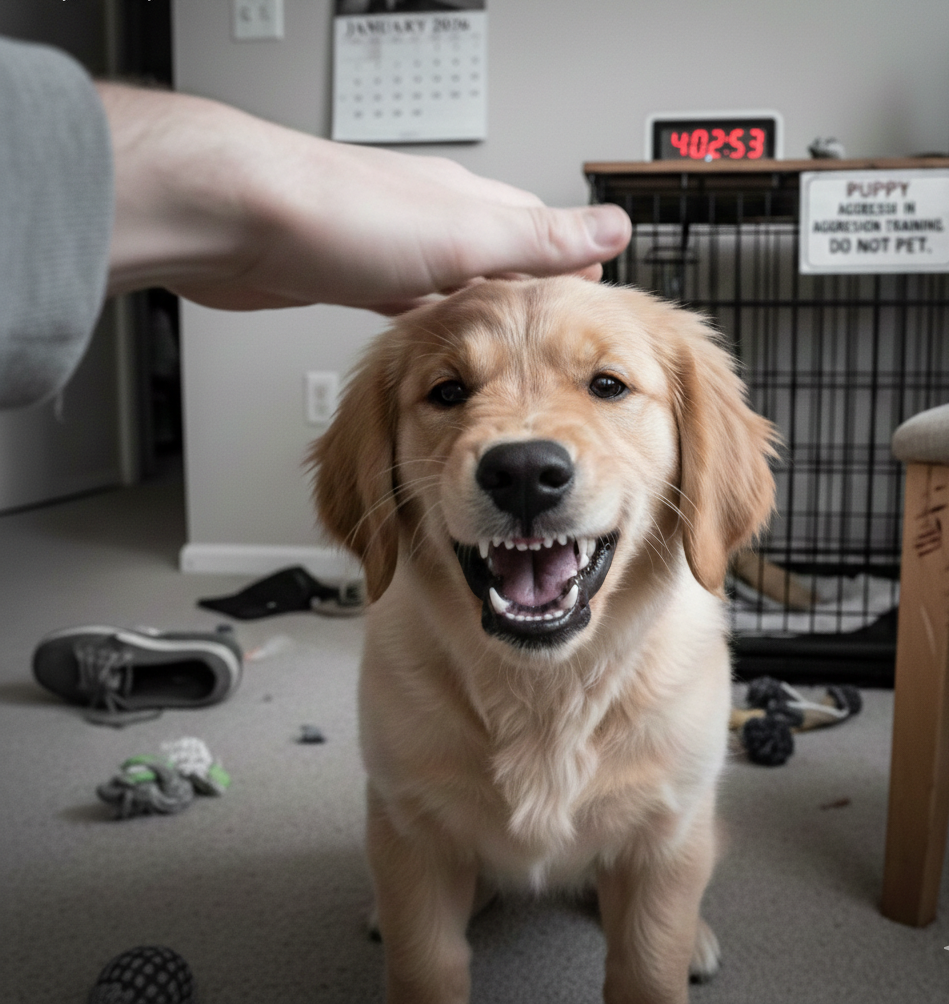
What to do when biting becomes aggression
Seek professional assistance if biting from screaming, fear, or irritation develops, considering this may indicate issues with future aggressiveness. Physical causes of increased biting, like intestinal parasites, can be examined by a veterinary professional.
A treatment plan and follow-up can be developed by a veterinarian or certified dog behaviorist.
What are the signs of an aggressive puppy?
While a young puppy’s noisy behavior is natural, if you know what to look for, you may quickly recognize the indications of aggression. Be careful of your dog:
● Snarling, lip-curling, and growling
● Observing their eyes’ whites more than normal
● Back and flat ears
● Biting beyond the typical puppy bites
● Their tail is tucked under their body, giving them a stiff, strained appearance.
● Freezing rather than squirming
● Staring not with lively inquiry, but with a hard stare
Identifying certain behaviors in the chaos of puppy playing might still be challenging at times. Let’s examine this more closely and “spot the difference” between aggressive and fun characteristics.
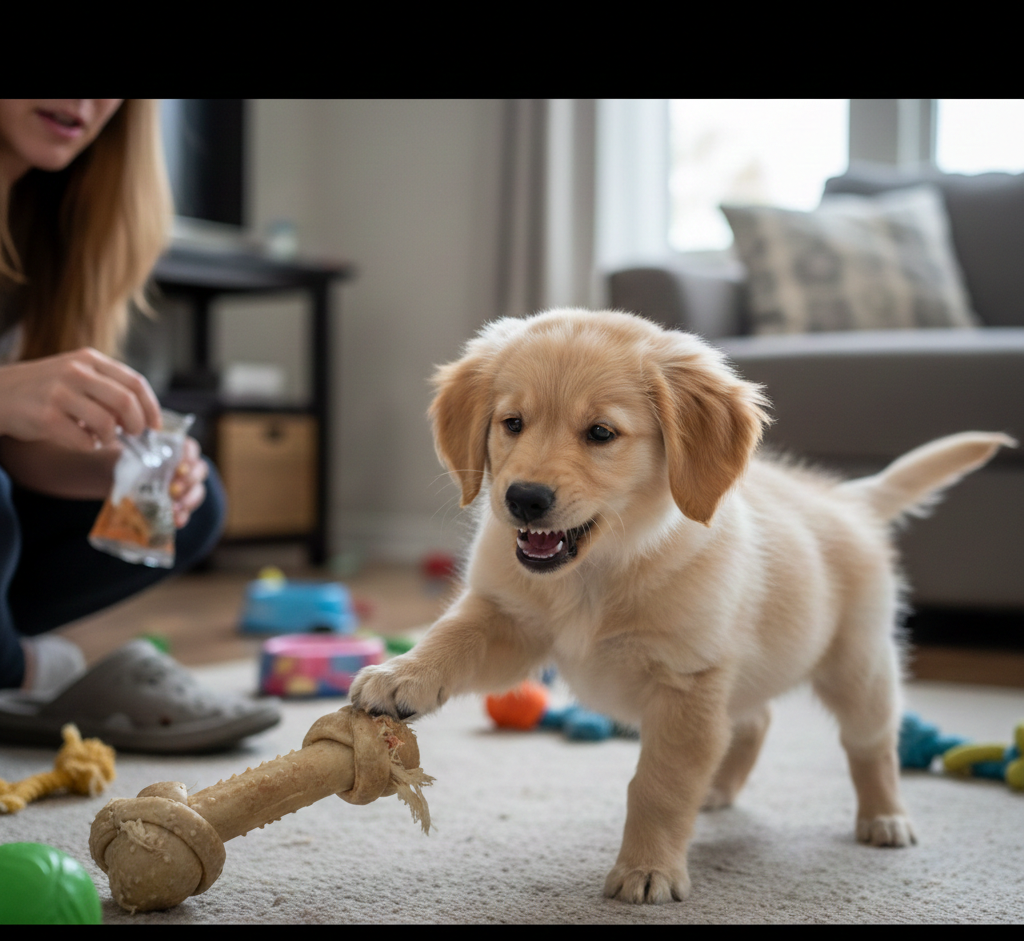
Why is my puppy aggressive?
There will always be some reason for a puppy’s aggressive behavior; it doesn’t just happen. These are some typical causes of your dog’s difficulties.
Overtired. Puppies are no different from the rest of us when it comes to feeling unhappy after not getting enough sleep.
overstimulated. You will be able to identify both overexcitement and overtiredness if you have reared a child.
protecting resources. They are shielding toys from you or other animals. Your dog may exhibit this protective behavior with other objects, even if you take away a harmful plaything.
territorial hostility. Instead of protecting an object, they are defending a space this time. This may be the entire home from the postie or their cozy bed from the cat.
Signs have been ignored. Your dog will intensify their communication techniques if you don’t understand and accept their early attempts.
Fear response. This may result from a frightening encounter with another dog or, in the case of a rescue puppy, from inadequate early socialization.
Frustration. Why don’t they jump up to that intriguing-looking human or play with the other dog? Boundaries can occasionally irritate puppies.
predatory drift. This is extremely uncommon and results from the way dogs hunt. Most working dogs don’t hurt the prey they discover or catch because of the way they’ve been bred. A pheasant isn’t good if the gundog eats it on the way back to their owner, but extremely seldom, this tendency reappears.
How to stop a puppy from growling and biting?
Aggressive puppy training the first step in preventing a puppy from biting and snarling is to comprehend the reasons behind the behavior. Puppies explore the world with their mouths, and growling or biting is often a normal part of play, teething, or fear, not true aggression.
1. Recognize the Reason
Puppies typically bite and snarl due to fear, overexcitement, teething discomfort, or inadequate training. Recognizing the trigger enables you to react appropriately rather than emotionally.
2. Instruct in Bite Inhibition
Say ouch quietly and cut off contact for a little while if your puppy bites too forcefully while playing. This teaches your puppy that biting ends fun and helps them learn gentle mouth control.
3. Avoid rough play
Biting and snarling are encouraged by games like hand wrestling. To avoid overstimulation and undesirable behaviors, pick relaxed, controlled games.
4. Reward Calm Behaviour
Make use of reinforcement. When your puppy plays softly, maintains composure, or chooses a toy over biting, give them praise and rewards.
5. Participate in Early Socialization
Your puppy will learn acceptable conduct and growl less out of fear if they are properly socialized with humans and other puppies.
How to stop aggressive biting in puppies?
Puppies who bite aggressively typically do so because of fear, overstimulation, inadequate socialization, or lack of training rather than genuine aggressiveness. It is crucial to stop it early.
Determine the trigger first. Keep an eye out for instances of biting, such as during play, handling, feeding, or when thepuppy is exhausted.
Understanding the cause enables you to appropriately control the behavior. Teach biting inhibition next. Say touch softly and cease playing right away if your puppy bites hard. This demonstrates to the puppy that strong biting results in less enjoyment and attention.
Use the proper chew toys to redirect the behavior. Puppies need to chew, especially while they are teething, so always provide them with safe toys and take your hands away when they start biting. Play that is aggressive or rough, such as hand wrestling, should be avoided as it promotes biting. Play should be structured and peaceful.
How to discipline a dog for biting and growling?
When a dog bites or growls, the goal should be to teach better behavior rather than to punish them. Biting frequently results from stress, anxiety, or inadequate training, and growling is a warning indication.
Aggressive puppy training first, maintain your composure and refrain from punishing. Harsh reprimand, punching, or yelling can exacerbate hostility and instill fear. Growling punishment could halt the warning, but it won’t solve the issue.
Next, determine the reason. Fear, pain, guarding behavior, or overstimulation can all cause dogs to bite or snarl. You can safely change the behavior if you are aware of the trigger.
Third, establish unambiguous limits. If the dog bites you while you’re playing, stop playing right away and give the dog some space. This demonstrates that biting draws attention to oneself.
Fourth, take advantage of redirection. Teach directives like “leave it or drop it” and reroute biting to chew toys.
Fifth, provide praise for good behavior and composure. When your dog maintains composure, complies with instructions, or exhibits compassionate conduct, give them praise and rewards.
Aggressive puppy training sixth, train consistently. To prevent confusing the dog, everyone in the house should follow the same rules.
How do I stop my dog from biting people?
It takes early intervention, appropriate training, and knowledge of the behavior’s root cause to stop a dog from biting people. Dogs typically bite for a variety of reasons, including fear, stress, inadequate socialization, or protectiveness.
Determine the trigger first. Keep an eye out for when and why your dog tries to bite, whether it’s during handling, in the presence of strangers, kids, or food. You can handle the problem safely if you are aware of the reason.
Secondly, control the surroundings. Avoid stressful circumstances, keep your dog on a leash around people, and give them space when they’re feeling stressed.
Aggressive puppy training third, teach fundamental directives for compliance, such as sit, remain, come, and leave it. By using these instructions, you can keep your dog under control and divert their attention before they bite.
Aggressive puppy training fourth, take advantage of reinforcement. Reward calm behavior around people with treats and praise.
Conclusion
Aggressive puppy training behavior like biting and growling is usually manageable with early training, patience, and positive guidance. Understanding the cause, setting clear boundaries, and rewarding calm behavior can prevent these issues from becoming serious aggression.
Aggressive puppy training with consistent training and proper socialization, most puppies learn to behave safely and confidently.

Puppy Obedience Training 101: A Beginner’s Guide to Raising a Well-Mannered Dog

Common Dog Behavior Problems and How to Fix Them

Puppy Commands for Off-Leash Safety: What Every Owner Needs

Best Age to Start Leash Training a Puppy for Calm Behavior

How to Fix Puppy Behavior Using Gentle Training

puppy-obedience-training-commands/Puppy Training Tips: A Complete Step-by-Step Guide for Beginners

Puppy Obedience Training 101: A Beginner’s Guide to Raising a Well-Mannered Dog
Common Dog Behavior Problems and How to Fix Them
Puppy Commands for Off-Leash Safety: What Every Owner Needs
Best Age to Start Leash Training a Puppy for Calm Behavior
How to Fix Puppy Behavior Using Gentle Training