
Dog Training
Can You Train an Older Dog? Tips for Training Adult and Rescue Dogs

Quick Summary:
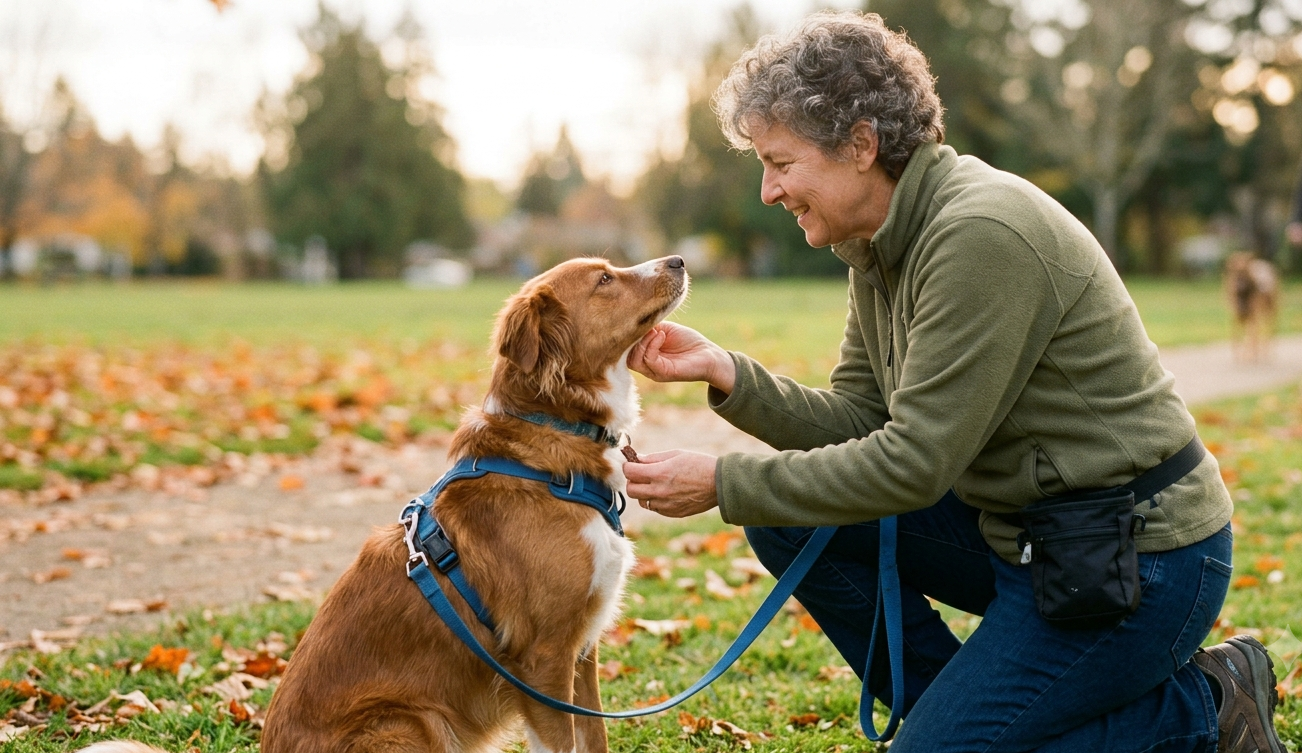
Yes, you can absolutely train an older dog. Training an older dog takes more patience and repetition than training a puppy, but adult dogs often have longer attention spans and a stronger desire to bond with their owners.
This guide covers how to train adult dogs, what makes rescue dogs different, and practical tips for building trust, breaking old habits, and teaching new commands at any age.If you have just adopted an adult dog or are finally getting around to training the senior dog you have had for years, you might be wondering if it is too late.
The old saying that you cannot teach an old dog new tricks gets repeated so often that many owners give up before they even try. Training an older dog is not only possible, it can actually go more smoothly than training a puppy in several ways.
This guide walks through exactly how to approach training an older dog, with special attention to rescue dogs who may be coming from an unknown or difficult background.
Debunking the “Old Dogs Can’t Learn” Myth
The idea that older dogs cannot learn is one of the most persistent myths in pet ownership, and it simply is not true. Studies have shown that older dogs, although it may take them longer than younger dogs or puppies, are capable of learning new things and can be trained to change their behavior. Purdue
Older dogs are absolutely capable of learning new things. The saying just isn’t true. While puppies do pick up certain skills faster because their brains are in a key developmental window, adult and senior dogs learn through the same basic process: repetition, motivation, and positive reinforcement.

In fact, older dogs often have longer attention spans and are less easily distracted than puppies, which can make training sessions more focused and effective. Cognitive decline can occur in very senior dogs, similar to dementia in humans,
But this is a separate issue from a dog’s basic ability to learn, and even then, mental stimulation through training is often recommended to help keep aging brains active. So whether you’ve adopted a rescue dog with no training history or simply want to teach your loyal companion a new trick, age is rarely the real obstacle, patience and consistency matter far more.
How Adult Dogs Actually Learn Differently Than Puppies
The biggest difference is speed, not capability. A study at the University of Vienna’s Clever Dog Lab found that dogs around 10 years old needed more than twice as many repetitions as puppies between six months and one year old to learn the same task.
Interestingly, those same older dogs performed better than the puppies on logic and reasoning tasks. Training an older dog simply means adjusting your expectations around pace, not abandoning the process altogether. Hill’s Pet NutritionHill’s Pet Nutrition
Special Considerations for Rescue Dogs
Training a rescue dog often comes with an extra layer of complexity, since you usually do not know their full history. Training a rescue dog often comes with an extra layer of complexity, since you usually don’t know their full history.
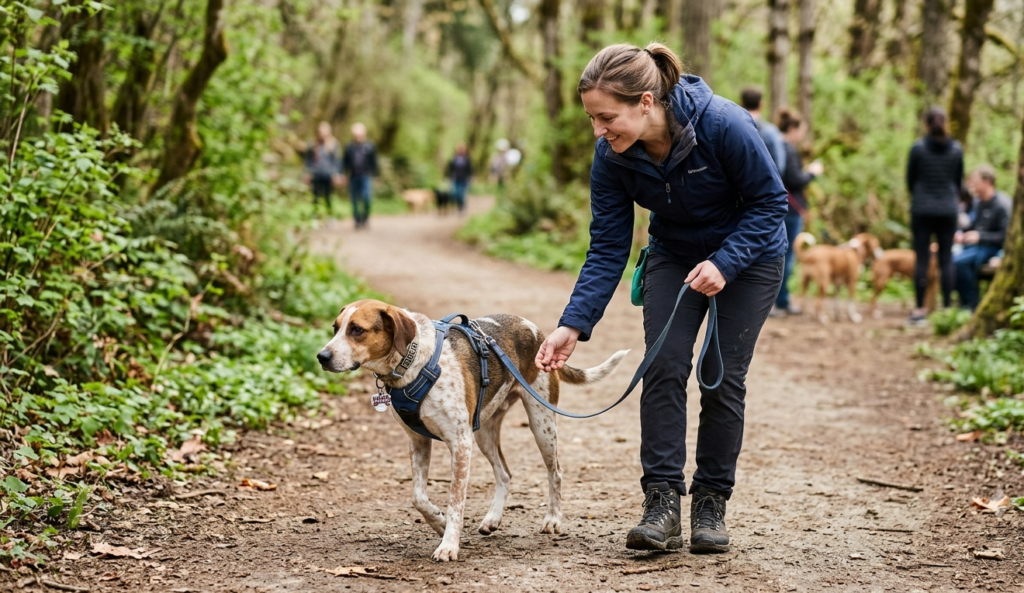
A dog from a shelter may have had little to no prior training, or may have learned behaviors like fear of raised hands, certain noises, or specific types of people that hint at past neglect or mistreatment, even if you’ll never know the full story. Because of this uncertainty, it’s important to move slowly and build trust before diving into structured training:
let the dog decompress in its new environment for the first few weeks, use especially gentle and reward-based methods, and pay close attention to body language for signs of fear or anxiety rather than assuming stubbornness or defiance.
Many rescue dogs also benefit from a predictable daily routine, since consistency helps replace the uncertainty of their past with a sense of safety. With patience, most rescue dogs regardless of age or background—can learn just as well as any other dog, but the timeline may look different as you’re often working on rebuilding confidence alongside teaching new commands.
Understanding Unknown History and Trauma
Some rescue dogs come from neglectful or abusive situations, while others simply missed out on basic training during their early years. Either way, it helps to assume your rescue dog is starting with a partially blank slate rather than expecting them to already know the rules of your home. Avoid harsh corrections, especially early on, since a dog with a difficult past may respond to pressure with fear rather than learning.
Building Trust Before Training
Before diving into commands, spend the first few weeks simply building a bond. Stick to calm routines, predictable feeding times, and gentle handling. A rescue dog who trusts you will progress through training far faster than one who is still feeling anxious or unsure in a new home.
Adjusting Training Techniques for Adult Dogs
Once trust is established, you can start layering in structured training using a few key adjustments.Once trust is established, you can start layering in structured training using a few key adjustments suited to adult dogs.
Keep sessions short around 5 to 10 minutes a few times a day since adult dogs can lose focus or get frustrated if training drags on too long, even though their attention span is often better than a puppy’s.

Use high-value rewards, especially if the dog hasn’t been very food- or toy-motivated before; experiment with different treats, praise, or play to find out what actually excites your dog rather than assuming standard kibble will work.
Be mindful that adult dogs may already have ingrained habits, good or bad, so instead of just teaching a new behavior from scratch, you’re sometimes also working to replace an existing one, which can take more repetition and consistency than training a blank-slate puppy.
Finally, set realistic expectations and celebrate small wins. An adult dog might not master “sit” in one session, but steady, low-pressure practice over days and weeks will build both the skill and the dog’s confidence in the learning process.
Slower Pacing and Patience
Keep training sessions short, around 10 minutes at a time, and repeat consistently rather than expecting fast results. Training an older dog rewards patience far more than intensity, so resist the urge to rush through new commands.
Working Around Existing Bad Habits
Adult dogs sometimes arrive with habits you will need to gently unlearn first, such as jumping on guests or pulling on the leash. Identify which behaviors need correcting before introducing brand new commands, so your dog is not trying to juggle two conflicting lessons at once.
Socializing an Adult Dog
Socialization is not just for puppies. Adult and rescue dogs benefit from it too, even if their window for early socialization has already closed.
Introducing Them to Other Pets Safely
Go slowly when introducing an adult dog to existing pets in the household. Use neutral spaces, short supervised sessions, and plenty of positive reinforcement so every new interaction feels safe rather than stressful.
Managing Fear or Aggression Triggers
If your dog shows signs of fear or reactivity around certain people, sounds, or other animals, work at a distance where they remain calm and slowly decrease that distance over time. Pushing too close too fast can set training back significantly, so patience here pays off.
Setting Realistic Expectations and Timelines
Training an older dog is a process, not a single event. Some dogs pick up new commands within a few sessions, while others, especially those recovering from a rough background, may take several months to feel fully settled. Celebrate small wins along the way, like your dog responding to their name or settling calmly during a meal, rather than measuring progress only by big milestones.
Frequently Asked Questions
Is it harder to train an older dog than a puppy?
It can take more repetition, but it is not necessarily harder overall. Older dogs often have longer attention spans and fewer energy-driven distractions, which can make focused training sessions easier in some ways.
How long does it take to train a rescue dog?
This varies widely depending on the dog’s background. Some rescue dogs adjust within a few weeks, while others, especially those with a traumatic history, may take several months to feel secure enough to fully engage with training.
Can a 7 year old dog still learn new commands?
Yes. Dogs remain capable of learning throughout their entire lives. A 7 year old dog will likely need more repetition than a young dog, but age alone does not prevent learning.
Should I use a crate to train an adult dog?
Crate training can work very well for adult dogs, especially for housebreaking, since most adult dogs already have decent bladder control. Introduce the crate gradually with positive associations rather than forcing your dog inside.
What is the best way to train a rescue dog with an unknown history?
Start by building trust through calm routines and positive reinforcement before introducing structured commands. Treat early training sessions as an opportunity to observe what your dog already knows, then build from there.
Final Thoughts
Training an older dog is absolutely achievable, whether you are working with a long-time family pet or a newly adopted rescue. It simply requires more patience, more repetition, and a willingness to build trust before expecting obedience. Stick with positive reinforcement, keep your sessions short and consistent, and remember that every dog, regardless of age, is capable of learning. The old saying about old dogs and new tricks just is not true.
For more guidance on training dogs at any age, the Hill’s Pet senior dog training guide is a helpful resource to read alongside this article.

Puppy Obedience Training 101: A Beginner’s Guide to Raising a Well-Mannered Dog

Common Dog Behavior Problems and How to Fix Them

Puppy Commands for Off-Leash Safety: What Every Owner Needs

Best Age to Start Leash Training a Puppy for Calm Behavior

How to Fix Puppy Behavior Using Gentle Training

puppy-obedience-training-commands/Puppy Training Tips: A Complete Step-by-Step Guide for Beginners

Puppy Obedience Training 101: A Beginner’s Guide to Raising a Well-Mannered Dog
Common Dog Behavior Problems and How to Fix Them
Puppy Commands for Off-Leash Safety: What Every Owner Needs
Best Age to Start Leash Training a Puppy for Calm Behavior
How to Fix Puppy Behavior Using Gentle Training