
Puppy Training
10 Common Puppy Training Mistakes to Avoid (Expert Guide 2026)

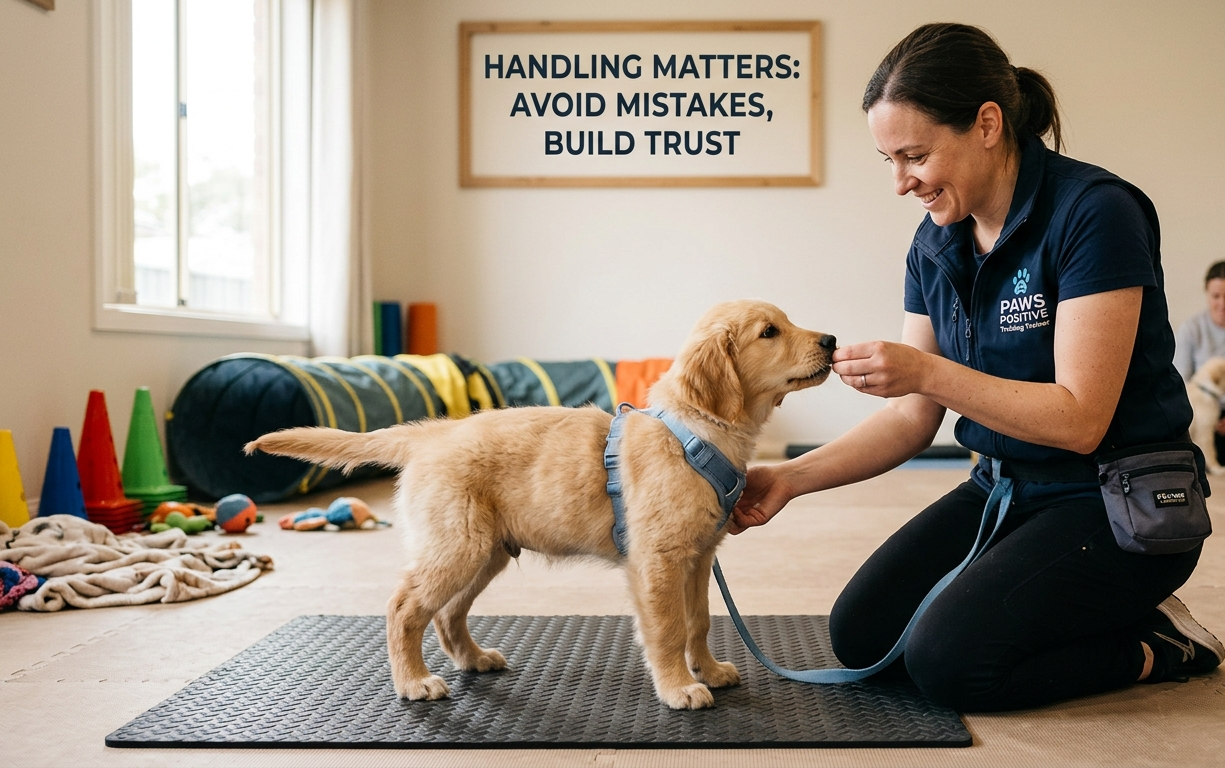
Common Puppy Training Mistakes to Avoid are often the hidden reason why many puppies develop unwanted behaviors like excessive barking, jumping, chewing, or ignoring commands. The good news is that these mistakes are easy to fix once you understand what your puppy needs during the learning process.
Welcoming a new puppy into your home is exciting, but it also comes with a big responsibility. Every puppy is eager to learn, yet many first-time puppy owners unknowingly make training mistakes that create long-term behavior problems. The good news is that most of these issues are completely avoidable with the right approach.
Understanding the common puppy training mistakes to avoid can save you months of frustration while helping your puppy grow into a confident, obedient, and well-mannered companion. Puppies learn through repetition, consistency, patience, and positive experiences. Even small mistakes during the early weeks can affect their behavior as adults.
If you’re just getting started, don’t miss our complete Puppy Training Guide on Dogs Guide for a step-by-step introduction to raising a well-behaved puppy.
Why Avoiding Training Mistakes Matters
A puppy’s brain develops rapidly during the first few months of life. This is when they learn how to interact with people, other animals, and the world around them. Good habits formed early become much easier to maintain as your puppy grows.
On the other hand, inconsistent training, harsh corrections, or poor routines can confuse your puppy and lead to behaviors like excessive barking, chewing, jumping, leash pulling, or ignoring commands.Successful puppy training isn’t about being perfect it’s about being consistent.
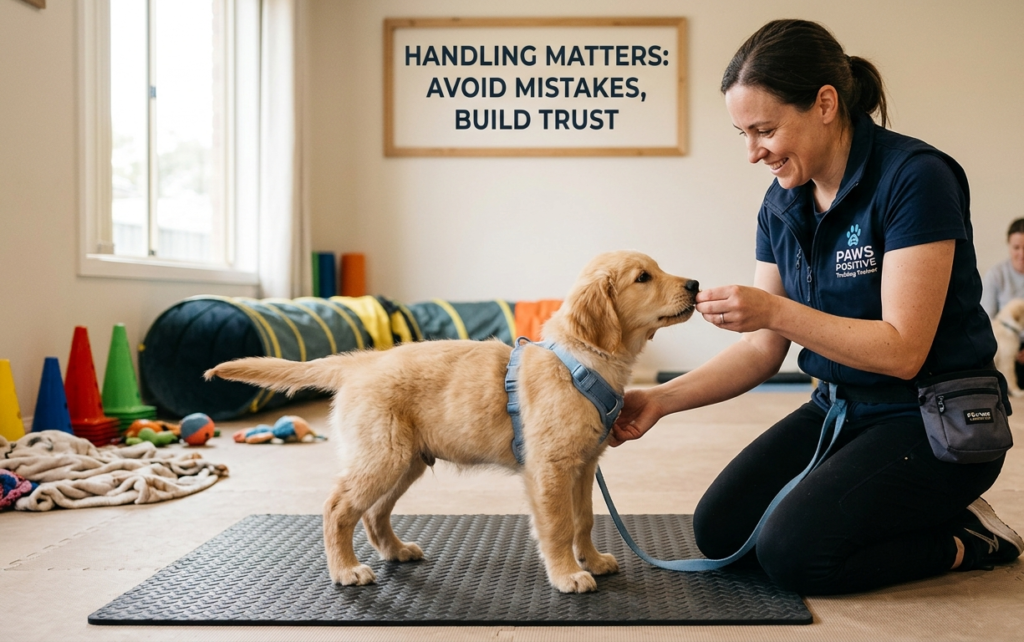
What Are the Most Common Puppy Training Mistakes?
The most common puppy training mistakes include starting training too late, being inconsistent with commands, using punishment instead of positive reinforcement, expecting quick results, skipping socialization, and allowing unwanted behaviors to become habits. Avoiding these mistakes helps puppies learn faster and develop better lifelong behavior.
1. Waiting Too Long to Start Training
One of the biggest common puppy training mistakes to avoid is believing that puppies are “too young” to learn.In reality, puppies begin learning from the moment they arrive in their new home. Even at eight weeks old, they can start learning simple behaviors like responding to their name, sitting, coming when called, and following a daily routine.
What You Should Do Instead
Begin with short, fun sessions that last only 5–10 minutes. Focus on simple commands such as:
- Sit
- Come
- Stay
- Leave It
- Down
Reward every success immediately with treats, praise, or play. Early success builds confidence and encourages your puppy to enjoy learning.
2. Being Inconsistent With Commands
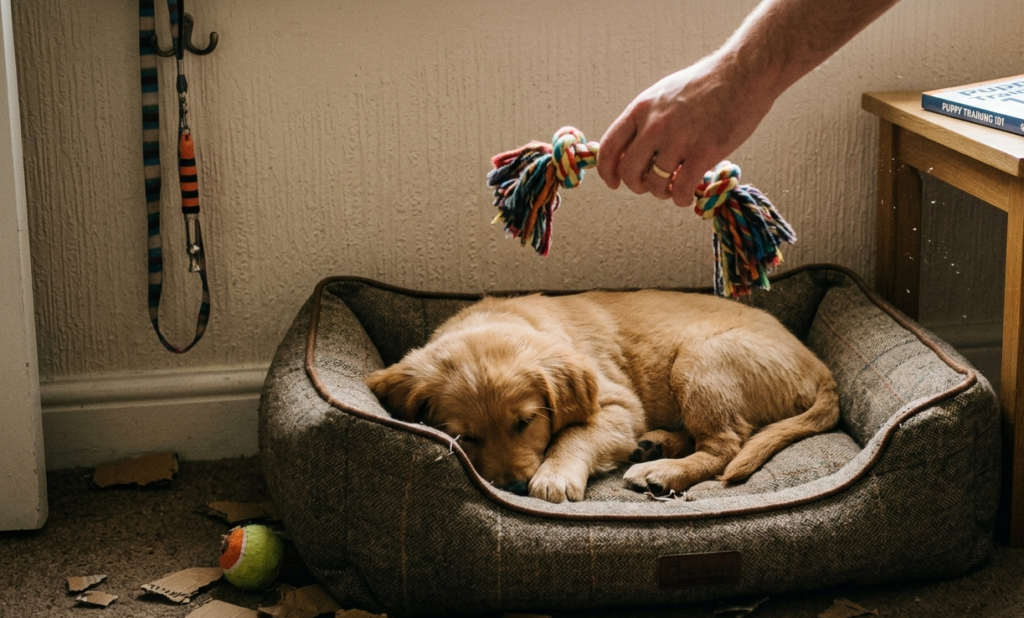
Dogs learn through repetition. If one family member says “Come” while another says “Here,” your puppy may struggle to understand what is expected.Inconsistency doesn’t stop with words. Different rules create confusion too.
For example, allowing your puppy on the couch one day but scolding them the next sends mixed signals. When puppies receive inconsistent guidance, they often appear stubborn when they’re actually confused.
Better Training Habit
Choose one command for each behavior and ensure everyone in the household uses the same words.
For example:
- Sit
- Stay
- Down
- Come
- Leave It
Keep rewards consistent as well. Every correct response should receive immediate positive reinforcement during the learning stage.
3. Using Punishment Instead of Positive Reinforcement
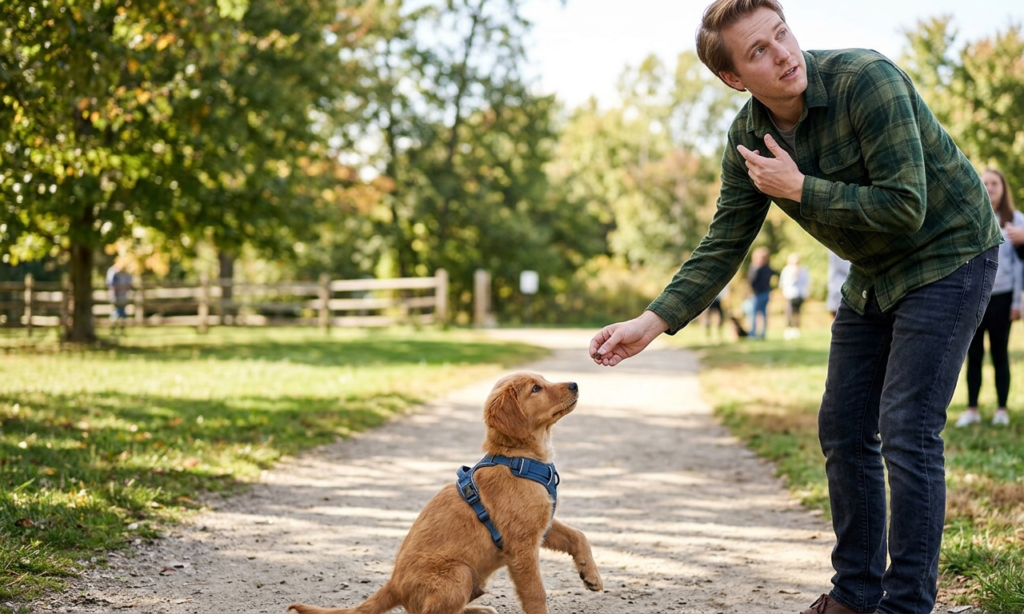
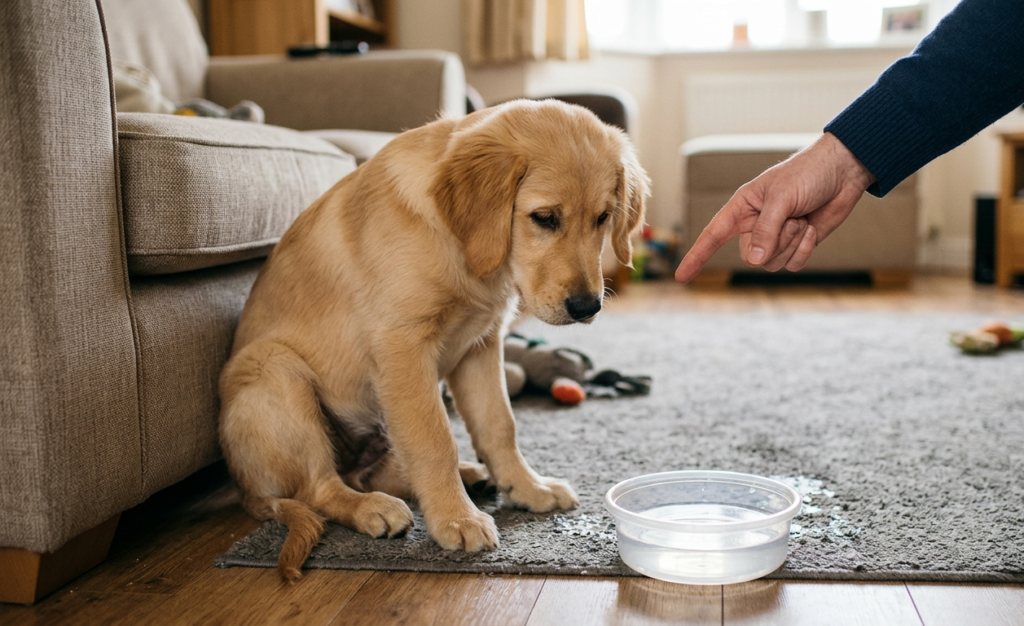
Many owners believe puppies learn faster through punishment. In reality, harsh corrections often create fear rather than understanding.Yelling, leash jerks, or physical punishment may stop a behavior temporarily, but they don’t teach your puppy what they should do instead.
Positive reinforcement has consistently been shown to be one of the most effective ways to teach dogs new behaviors. Rewarding desired actions increases the likelihood that your puppy will repeat them.
Better Alternative
Instead of focusing on mistakes, reward good choices.
Examples include:
- Give treats when your puppy sits politely.
- Praise calm behavior.
- Reward your puppy for coming when called.
- Offer a favorite toy after successful training.
Training should feel like a game, not a punishment.
4. Expecting Results Too Quickly
Many first-time owners become discouraged after only a few days of training. They expect their puppy to master commands almost immediately.
Learning takes time.
Just like children, puppies need repetition before new behaviors become habits. Some puppies learn quickly, while others need additional practice depending on their age, breed, personality, and environment.
Progress is rarely a straight line. Some days your puppy may perform perfectly, while other days they seem to forget everything.
How to Stay Patient
A training journal can help you track progress and stay motivated. Even five minutes of daily practice produces better long-term results than one long session every weekend.
Remember, consistency always beats intensity.
Quick Tips for Better Puppy Training
- Keep sessions between 5–10 minutes.
- End every session on a positive note.
- Use rewards your puppy truly enjoys.
- Practice in different environments.
- Stay calm when mistakes happen.
- Make training part of your daily routine.
- Be patient every puppy learns at a different pace.
5. Skipping Early Socialization
One of the biggest common puppy training mistakes to avoid is delaying or completely skipping socialization. Many new dog owners assume that socialization simply means letting their puppy meet other dogs. In reality, proper socialization is about introducing your puppy to different people, sounds, places, objects, and experiences in a safe and positive way.
The best socialization window usually occurs during the first few months of a puppy’s life. Positive experiences during this period help build confidence and reduce the risk of fear-based behaviors later.A poorly socialized puppy may become anxious around strangers, fearful of new environments, or reactive toward other dogs.
How to Socialize Your Puppy Safely
- Introduce new people one at a time.
- Visit different puppy-friendly locations.
- Let your puppy hear everyday household sounds.
- Reward calm and curious behavior.
- Arrange safe play sessions with healthy, vaccinated dogs.
6. Making Training Sessions Too Long
Many owners believe longer training sessions produce faster results. Unfortunately, puppies have very short attention spans.Training for 30–40 minutes often leads to boredom, frustration, and loss of focus.Instead of learning, your puppy may start ignoring commands simply because they’re mentally tired.
Better Approach
Keep each session between 5 and 10 minutes.You can repeat several short sessions throughout the day instead of one long lesson.
For example:
- Morning: Sit and Come
- Afternoon: Stay and Leave It
- Evening: Loose-leash walking
7. Ignoring Your Puppy’s Body Language
Puppies communicate constantly through their body language. Unfortunately, many owners focus only on commands and overlook the signals their puppy is giving.Learning to read these signals can make training easier and strengthen your bond.
Signs Your Puppy Is Comfortable
- Relaxed body posture
- Soft eyes
- Wagging tail
- Curious behavior
- Willingly accepts treats
Signs Your Puppy Is Feeling Stressed
- Tail tucked under the body
- Lip licking
- Yawning during training
- Turning the head away
- Avoiding eye contact
- Refusing treats
If your puppy shows signs of stress, end the session, give them a short break, and continue later. Training should build confidence not fear.
8. Allowing Bad Habits to Become Permanent
Many puppy owners laugh when their small puppy jumps on visitors, nips at hands, or chews furniture because it seems “cute.” However, behaviors that are ignored during puppyhood often become much harder to change in adulthood.
Your puppy doesn’t know the difference between acceptable and unacceptable behavior unless you teach them.
Common Bad Habits
- Jumping on people
- Excessive barking
- Chewing furniture
- Pulling on the leash
- Begging during meals
- Nipping hands and clothing
9. Not Following a Daily Routine
Dogs thrive on routine. One of the most overlooked common puppy training mistakes to avoid is having an unpredictable daily schedule.If feeding times, potty breaks, walks, and training sessions happen randomly every day, your puppy may struggle to understand expectations.
A consistent routine makes learning much easier.
A Simple Daily Puppy Schedule
| Time | Activity |
| Morning | Potty break, breakfast, short training session |
| Mid-Morning | Playtime and rest |
| Afternoon | Walk, socialization, obedience practice |
| Evening | Dinner, family time, short training session |
| Before Bed | Final potty break and quiet time |
10. Giving Up Too Soon
Perhaps the most damaging mistake of all is giving up before your puppy has had enough time to learn.Every puppy learns at a different pace. Some master basic commands within a few weeks, while others need additional time and practice.
Many owners stop training because they believe it isn’t working. In reality, consistent daily practice usually leads to steady improvement.Remember that training doesn’t end once your puppy learns a command. Dogs need regular practice to maintain good behavior throughout their lives.
Expert Puppy Training Tips for Long-Term Success
Common Puppy Training Mistakes to Avoiding is only one part of raising a well-behaved puppy. The other part is building positive habits that last a lifetime. Professional dog trainers agree that puppies learn best when training is enjoyable, consistent, and based on trust rather than fear.
Here are some expert-backed tips to help your puppy succeed:
1. Keep Training Fun
Your puppy should look forward to every training session. Use treats, toys, praise, or a quick game as rewards. A happy puppy is more willing to learn than one that feels pressured.
2. Practice Every Day
Daily practice is far more effective than one long session once a week. Even five minutes of focused training can make a noticeable difference over time.
3. Reward Good Behavior Immediately
Common Puppy Training Mistakes Timing matters. Give your puppy a reward within a second or two of the correct behavior so they clearly understand what earned the reward.
4. Train in Different Locations
Common Puppy Training Mistakes Once your puppy understands a command at home, practice in your yard, during walks, or in other safe environments. This helps your puppy respond even with distractions around.
5. Be Patient
Every puppy learns at a different speed. Some breeds mature faster than others, while some puppies simply need more repetition. Stay calm and celebrate small improvements instead of expecting perfection.
Puppy Training Mistakes at a Glance
| Mistake | Why It’s a Problem | Better Solution |
| Starting training too late | Bad habits develop quickly | Begin basic training at 8 weeks |
| Inconsistent commands | Confuses your puppy | Use the same command every time |
| Using punishment | Creates fear and anxiety | Reward good behavior instead |
| Expecting fast results | Leads to frustration | Be patient and practice daily |
| Skipping socialization | Can cause fear later | Introduce new experiences gradually |
| Long training sessions | Puppies lose focus | Keep sessions 5–10 minutes |
| Ignoring body language | Increases stress | Watch your puppy’s signals |
| Allowing unwanted behaviors | Habits become permanent | Correct gently and redirect |
| No daily routine | Slows learning | Follow a consistent schedule |
| Giving up too early | Interrupts progress | Stay consistent and positive |
What is the most common puppy training mistake?
Common Puppy Training Mistakes The most common puppy training mistake is inconsistency. Using different commands, changing rules, or skipping daily practice confuses puppies and slows their learning. Consistency helps puppies understand what is expected and builds reliable behavior over time.
At What Age Should Puppy Training Begin?
Common Puppy Training Mistakes Basic training should begin as soon as your puppy comes home, usually around 8 weeks of age. Early lessons such as name recognition, potty training, sit, come, and gentle socialization create a strong foundation for future learning.
Should You Punish a Puppy for Bad Behavior?
Common Puppy Training Mistakes No. Punishment may stop a behavior temporarily, but it often creates fear and damages trust. Positive reinforcement rewarding the behavior you want is a more effective and humane training method.
How Long Should Puppy Training Sessions Be?
Common Puppy Training Mistakes Most puppies learn best with sessions lasting 5 to 10 minutes. Several short sessions throughout the day are much more effective than one long training session.
Conclusion
Avoiding the common puppy training mistakes to avoid can make a huge difference in your puppy’s development. Training is not about expecting perfection overnightit’s about building trust, creating positive habits, and helping your puppy understand the world with confidence.
Common Puppy Training Mistakes Remember that every puppy learns at a different pace. Some days will feel easy, while others may test your patience. That’s completely normal. Stay consistent with your commands, reward good behavior, keep training sessions short, and never stop encouraging your puppy.

Puppy Obedience Training 101: A Beginner’s Guide to Raising a Well-Mannered Dog

Common Dog Behavior Problems and How to Fix Them

Puppy Commands for Off-Leash Safety: What Every Owner Needs

Best Age to Start Leash Training a Puppy for Calm Behavior

How to Fix Puppy Behavior Using Gentle Training

puppy-obedience-training-commands/Puppy Training Tips: A Complete Step-by-Step Guide for Beginners

Puppy Obedience Training 101: A Beginner’s Guide to Raising a Well-Mannered Dog
Common Dog Behavior Problems and How to Fix Them
Puppy Commands for Off-Leash Safety: What Every Owner Needs
Best Age to Start Leash Training a Puppy for Calm Behavior
How to Fix Puppy Behavior Using Gentle Training