
Uncategorized
What Is Dog Training and Why Is It Important?

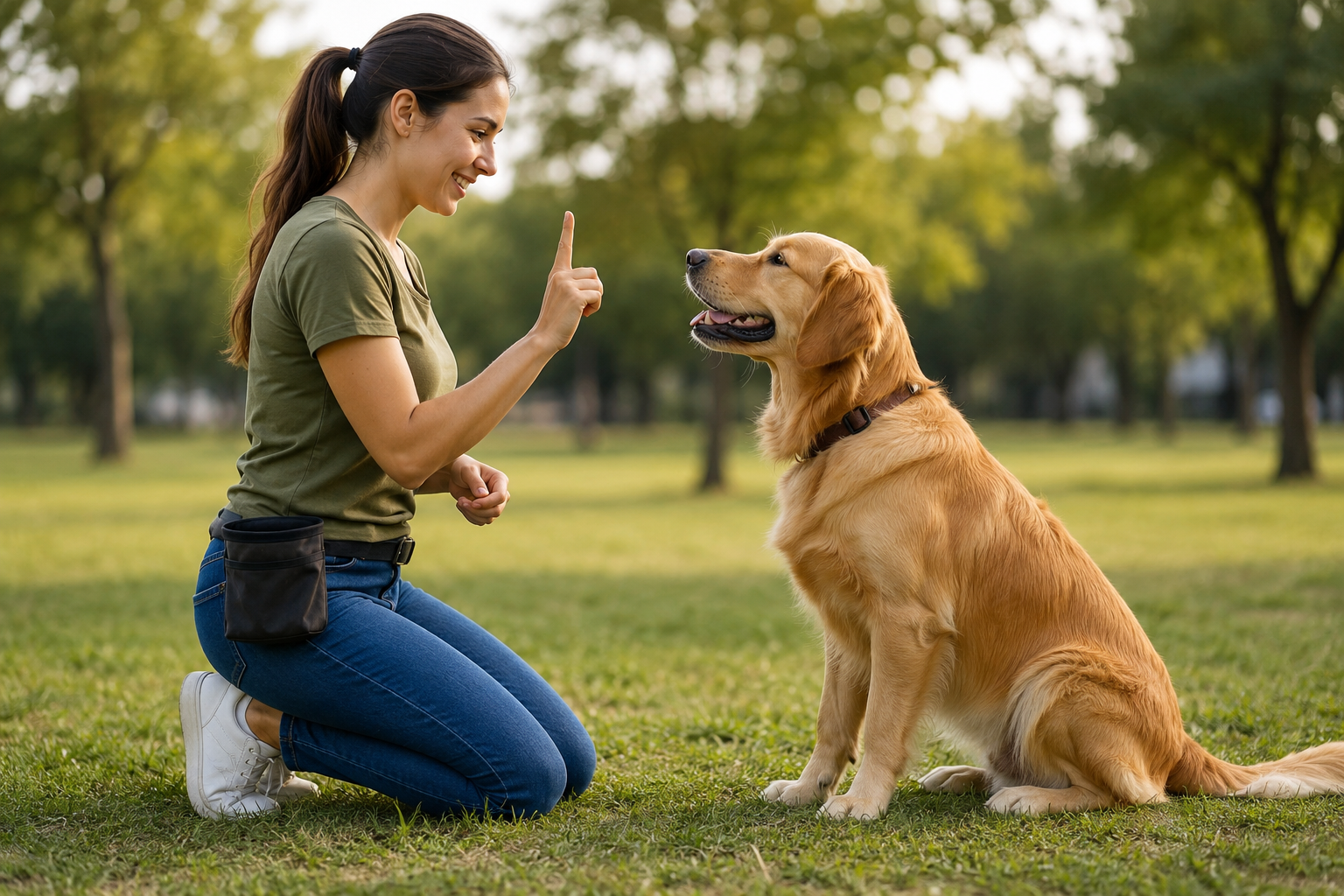
Dog training is the process of teaching a dog how to behave, follow commands, and live happily with people and other animals. It is one of the most important parts of owning a dog. Good dog training builds trust between you and your pet.
It also keeps your dog safe, calm, and easy to manage in daily life. Without training, even a friendly dog can develop habits that are hard to live with, such as pulling on the leash, jumping on guests, or ignoring you when it matters most.
Training gives structure to your dog’s day and gives you a clear way to guide its behavior instead of just reacting to problems after they happen.In this guide, you will learn what dog training really means, why it matters, the main types of dog training, and simple steps to start training your dog today.
We will also cover common mistakes owners make, how long training usually takes, and when it makes sense to bring in a professional trainer. Whether you have a new puppy, a rescue dog, or an older dog who never learned the basics, this article will help you understand everything in plain, easy words that you can start using right away.
What Is Dog Training?
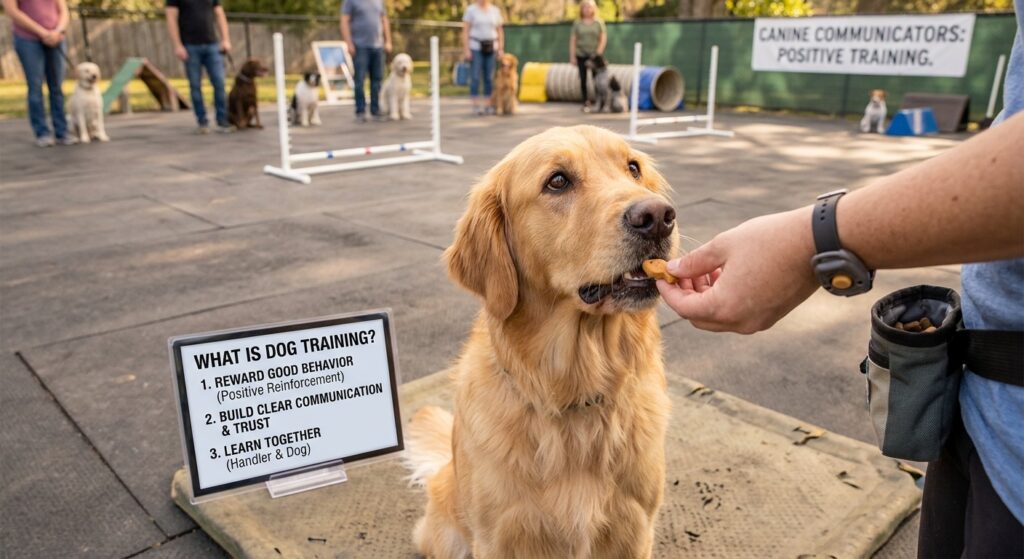
Dog training is teaching a dog to respond to commands and behave in a way that fits into human life. It includes basic commands like sit, stay, come, and heel. It also includes teaching a dog good manners, such as not jumping on guests or not chewing furniture.
Training is not about forcing a dog to obey. It is about communication. Dogs do not speak our language, so training helps them understand what we want. At the same time, it helps us understand how dogs think and react. This two-way understanding is the real heart of dog training.
Most dog training uses repetition, rewards, and patience. Dogs learn best when good behavior is followed by something positive, like a treat, praise, or playtime. Over time, the dog connects the action with the reward and repeats it on its own.
Why Is Dog Training Important?
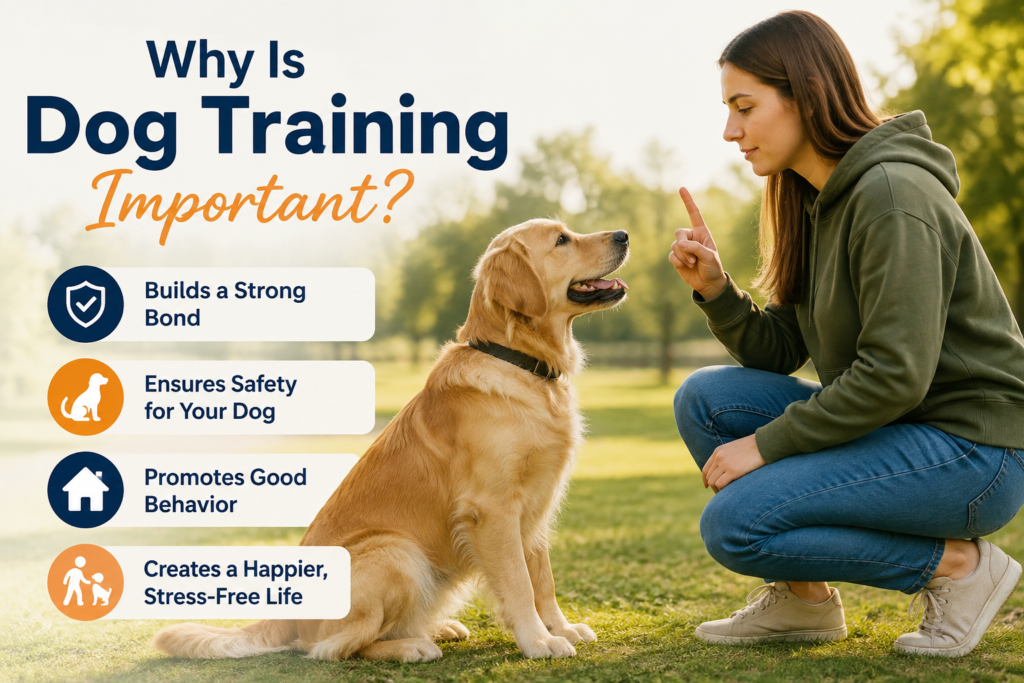
Many new pet owners ask why dog training matters so much. The answer is simple. A trained dog is a safer, happier, and more relaxed dog. Here are the main reasons dog training is important.
1. Safety for Your Dog and Others
A trained dog is less likely to run into traffic, fight with other animals, or bite someone out of fear. Commands like “come” and “stay” can protect your dog from danger in seconds. Training also reduces the risk of your dog hurting a child, a visitor, or another pet by accident.
2. A Stronger Bond Between You and Your Dog
Training sessions are not just about commands. They are quality time. When you train your dog, you learn its body language, and it learns your voice and signals. This builds trust and makes your dog feel secure. Many owners say training brought them closer to their pets than anything else.
3. Better Behavior at Home and Outside
Untrained dogs often bark too much, dig, chew, or jump on people. This can be stressful for the whole family. Dog training helps fix these habits early. A well-trained dog is easier to take to parks, cafes, or on trips, since it knows how to behave around new people and places.
4. Less Stress for the Owner
A dog that listens and follows basic rules makes life easier. You will not have to worry about your dog running away, attacking the mailman, or destroying your home. This lowers stress for you and creates a calmer household for everyone, including other pets.
5. Mental Stimulation for the Dog
Dogs need mental exercise, not just physical exercise. Training gives a dog’s brain a job to do. This can lower anxiety and boredom, which are often the real reasons behind bad behavior like chewing or excessive barking.
Types of Dog Training
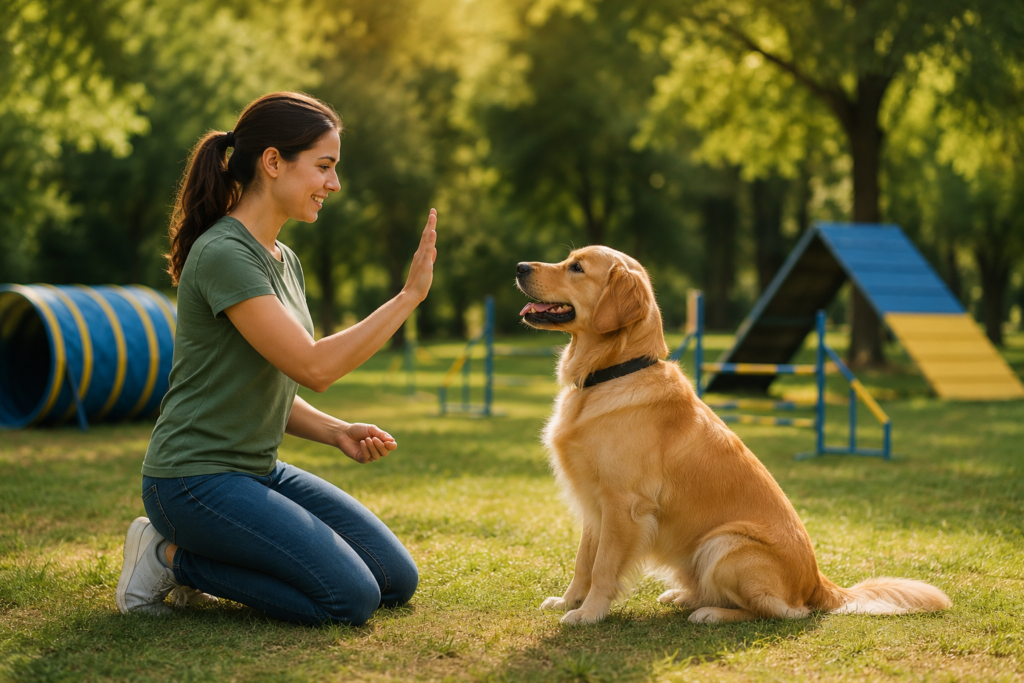
There are several types of dog training, and each one serves a different purpose. Understanding these types can help you pick the right approach for your dog’s needs.
Basic Obedience Training
This is the starting point for every dog. It covers simple commands such as sit, stay, down, come, and heel. Basic obedience training builds the foundation for all future learning and is usually the first step for puppies and adult dogs alike.
House Training
Also called potty training, this teaches a dog where it is allowed to relieve itself. It usually involves a set schedule, a consistent spot outside, and positive reinforcement when the dog goes in the right place.
Socialization Training
This type of training helps a dog feel comfortable around new people, animals, sounds, and places. Dogs that are socialized early tend to be calmer and less fearful or aggressive as adults. Behavioral Training
Behavioral training focuses on fixing specific problems such as aggression, separation anxiety, excessive barking, or resource guarding. It often needs more patience and sometimes the help of a professional trainer.
Agility and Sport Training
This advanced type of training teaches dogs to run through obstacle courses, jump, and follow fast commands. It is often used for dog sports and competitions, but it also gives high-energy dogs a healthy outlet.
Service and Therapy Dog Training
This specialized training prepares dogs to help people with disabilities or to bring comfort in hospitals, schools, and care homes. It requires long-term, structured training with a certified professional.
Positive Reinforcement: The Most Recommended Method
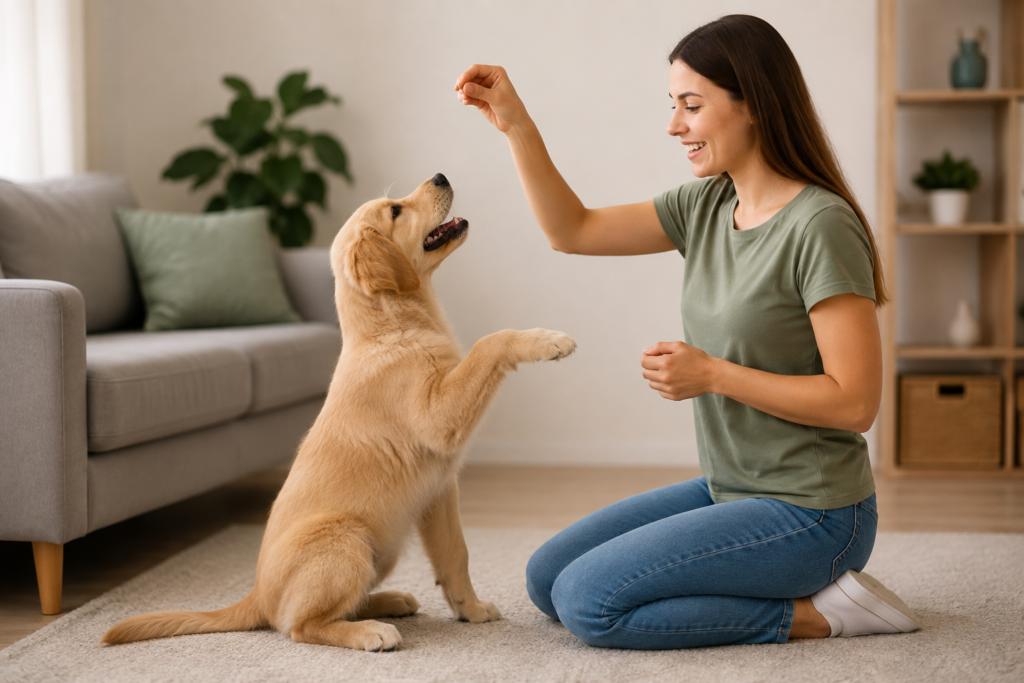
Most professional trainers today recommend positive reinforcement as the best training method. This means rewarding good behavior instead of punishing bad behavior. Rewards can be treats, praise, toys, or affection.
Positive reinforcement works because dogs, like people, repeat actions that bring good results. It also protects the trust between the dog and the owner. Training methods based on fear or punishment can make a dog anxious or even aggressive over time.
According to the <a href=”https://www.akc.org/expert-advice/training/basic-training/” target=”_blank” rel=”noopener noreferrer”>American Kennel Club</a>, consistent, reward-based training from an early age helps dogs develop good manners and a stable temperament for life.
If you want to explore reward-based methods in more depth, check out our full breakdown of <a href=”https://dogsguide.info/positive-reinforcement-dog-training”>positive reinforcement dog training techniques</a>.
How to Start Training Your Dog: Simple Steps
You do not need to be an expert to begin training your dog. Here are simple steps anyone can follow.
- Start early. Puppies can begin learning simple commands as young as eight weeks old. Older dogs can also learn, but early training builds strong habits faster.
- Keep sessions short. Dogs, especially puppies, have short attention spans. Five to ten minutes per session works better than long, tiring lessons.
- Use one command at a time. Do not confuse your dog with too many new words at once. Master one command before moving to the next.
- Reward immediately. Give a treat or praise right after the good behavior. This helps the dog connect the action with the reward.
- Stay consistent. Use the same words and hand signals every time. Everyone in the house should use the same commands so the dog does not get confused.
- Practice in different places. A dog that obeys at home might not obey at the park. Practice commands in different settings to help the dog generalize the behavior.
- Be patient. Every dog learns at its own pace. Some pick up commands in days, while others take weeks. Patience is part of the process.
Common Dog Training Mistakes to Avoid
Even well-meaning owners make mistakes that slow down training progress. Watch out for these common errors.
- Punishing instead of redirecting. Yelling or hitting a dog often creates fear, not understanding. Redirect bad behavior toward a better one instead.
- Being inconsistent. Allowing a behavior one day and punishing it the next confuses your dog.
- Skipping socialization. A dog that never meets new people or animals may become fearful or reactive later.
- Training for too long. Long sessions can tire and frustrate a dog, making training feel like a chore instead of fun.
- Giving up too soon. Training takes time. Quitting after a few tries will not give your dog the chance to learn fully.
If your dog is struggling with a specific issue, our article on <a href=”https://dogsguide.info/common-dog-behavior-problems”>common dog behavior problems and how to fix them</a> offers targeted advice for many everyday challenges.
Professional Dog Training vs. Training at Home
Some owners choose to train their dogs at home, while others hire professional trainers. Both options can work well, depending on your goals and your dog’s needs.Home training is affordable and lets you bond closely with your dog.
It works well for basic obedience and simple house rules. Professional training is often better for serious behavior problems, service dog preparation, or if you simply do not have the time or confidence to train alone. Many owners use a mix of both, starting at home and calling in a trainer for specific issues.
How Long Does Dog Training Take?
There is no single answer, since every dog is different. Basic commands like sit or stay can often be learned within one to two weeks of short, daily practice. Full house training usually takes four to six months for puppies.
Behavioral issues, such as anxiety or aggression, can take several months of consistent work, sometimes with professional support. The key is steady, regular practice rather than long, rare sessions.
Frequently Asked Questions About Dog Training
What age should you start training a dog?
You can start basic training as early as eight weeks old, when a puppy is ready to leave its mother. Simple commands, name recognition, and house training can all begin at this age.
Can you train an older dog?
Yes. Dogs of any age can learn new behaviors and commands. It may take a little more patience with an older dog, especially if it has existing habits, but training is still very effective.
What is the best method for dog training?
Positive reinforcement is widely seen as the best and safest method. It rewards good behavior with treats, praise, or play, which builds trust and encourages the dog to repeat that behavior.
How often should I train my dog?
Short daily sessions of five to fifteen minutes work better than long, occasional sessions. Consistency matters more than the length of each session.
Do I need a professional trainer?
Not always. Basic obedience can often be taught at home. However, serious behavioral problems like aggression or severe anxiety usually benefit from a certified professional trainer.
What are the basic commands every dog should know?
Most trainers recommend starting with sit, stay, come, down, and heel. These commands form the foundation for safety and good manners.
Why does my dog not listen during training?
This can happen due to distractions, unclear signals, inconsistent rules, or training sessions that are too long. Going back to a quiet environment and shorter sessions often helps.
Final Thoughts
Dog training is more than teaching tricks. It is about building a safe, trusting, and happy relationship between you and your dog. Whether you are working on basic obedience, house training,
or fixing behavior problems, patience and consistency will always bring the best results. Start small, stay consistent, and celebrate every bit of progress your dog makes. A well-trained dog is not just easier to live with. It is also a happier, more confident companion for life.

Puppy Obedience Training 101: A Beginner’s Guide to Raising a Well-Mannered Dog

Common Dog Behavior Problems and How to Fix Them

Puppy Commands for Off-Leash Safety: What Every Owner Needs

Best Age to Start Leash Training a Puppy for Calm Behavior

How to Fix Puppy Behavior Using Gentle Training

puppy-obedience-training-commands/Puppy Training Tips: A Complete Step-by-Step Guide for Beginners

Puppy Obedience Training 101: A Beginner’s Guide to Raising a Well-Mannered Dog
Common Dog Behavior Problems and How to Fix Them
Puppy Commands for Off-Leash Safety: What Every Owner Needs
Best Age to Start Leash Training a Puppy for Calm Behavior
How to Fix Puppy Behavior Using Gentle Training