
Dog Training
How to Train a Dog at Home Naturally (Beginner-Friendly Guide)


Summary: How to Train a Dog at Home
Training a dog at home starts with understanding how dogs learn. Dogs learn through association and immediate feedback rather than long-term memory, so consistent commands and quick rewards are essential. The most effective method is positive reinforcement, which means rewarding good behavior with treats, praise, or toys.
Clear communication through calm tone, simple words, and consistent body language helps your dog understand your expectations. Punishment should always be avoided as it creates fear and slows learning progress.Every dog should begin with five basic skills including name recognition, sit and stay, recall, leave it, and loose leash walking.
Training sessions should be kept short, around 5 to 10 minutes, two to three times daily, always ending on a positive note. For rescued dogs, the 3-3-3 rule helps set realistic expectations, while the 7-7-7 rule guides puppy owners through the adjustment period. With patience, consistency, and kindness, any dog owner can raise a happy and well-behaved companion at home.
Train a dog learning, useful training methods, and advice for resolving typical behavioral problems are all covered in this guide. You’ll find something here to deepen your relationship with your pet, whether you’re new or an experienced pet owner.
Train a dog is not to say that teaching a dog is easy. We have personal experience with how daunting it can be particularly for new pet owners. The training process is further complicated by the abundance of contradicting information available in the internet era, not to mention the wide variety of personal training objectives you may have.
Suppose you’ve recently gotten a dog and all you want is for it to develop into a kind, contented companion. Maybe a bad habit, such as fear, aggression, separation anxiety or leash reactivity, is bothering your adult dog. Perhaps all you want to do is learn more about how your dog learns and acquire some training techniques.
How to train learning theories in dog training?
The main way that our dog friends learn is by association. Though certainly not to the same extent as humans, researchers are beginning to conclude that they do possess episodic memory or the capacity to remember a particular prior experience.
This implies that, unlike you, your dog doesn’t spend time reliving their most humiliating events. Additionally, domestic dogs may not be able to recall events that occurred even a few minutes ago due to their inferior short-term memory.
Rather, the concepts of both operant and classical conditioning help our dog friends acquire new actions and habits. These two popular learning theories form the foundation of almost all dog training .
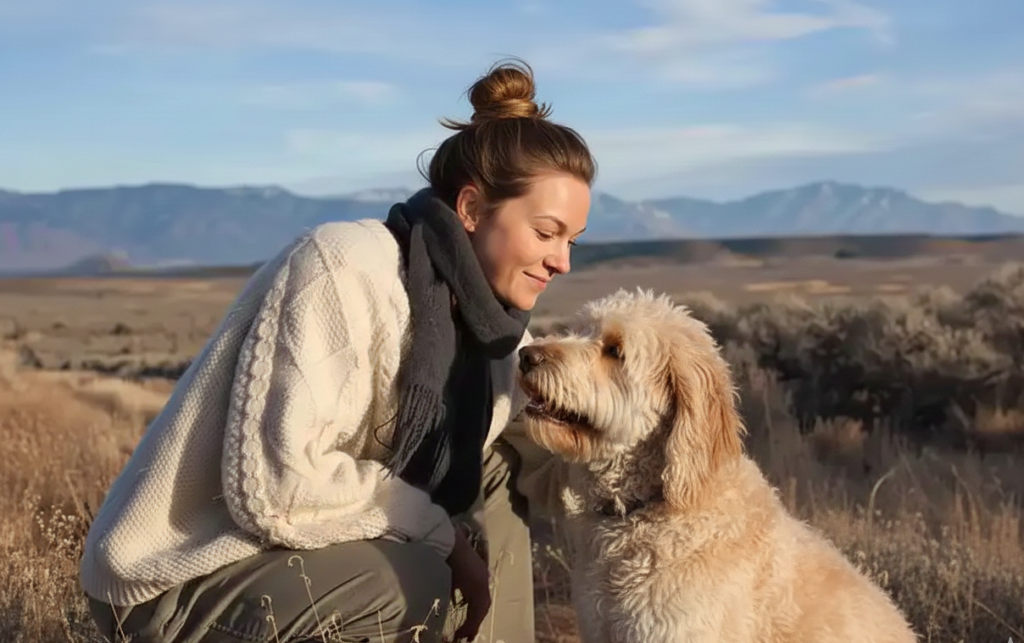
Use positive reinforcement Training
To encourage your dog and create a good training experience, concentrate on rewarding desired actions. Reward-based or force-free dog training is to show our dogs what we want them to perform by using as much positive reinforcement as possible.
It motivates dogs with a lot of food lures and their favorite toys. In this manner, we can engage in more enjoyable conduct without evoking negative feelings. It’s a low-conflict, highly stimulating training method.
Communicate clearly with your dog
Effective training starts with clear communication dog. Dogs are quite good at understanding tone of voice, body language, and consistency, but they do not comprehend language the way humans do. Your dog learns more quickly and feels more certain when you communicate with them in a clear and consistent manner.
Start by giving each order a straightforward, consistent term, such as “sit, stay, or come.” Your dog may become confused if you substitute different words for the same behavior. Give instructions in a calm, strong tone without yelling or repeating them. Your speech and body language should be consistent.
Negative Reinforcement
Removing something in order to promote a behavior is known as the negative reinforcement quadrant of operant conditioning. Even while you may not be familiar with the scientific language, you are undoubtedly rather familiar with negative reinforcement in your own life.
If you fasten your seatbelt, would your vehicle cease beeping at you? It’s called negative reinforcement. The habit of buckling up is increased (reinforcement) when the bothersome seatbelt alert sound is eliminated (negative).
When Should You Start Dog Training?
Your rescue dog learns from your tone, your body language, and your consistency as soon as they become a member of your family. You may start reinforcing the behaviors you want to see and ignoring those you don’t, but you don’t have to start formal sessions right away. Even in the park or hugs on the couch are training moments.
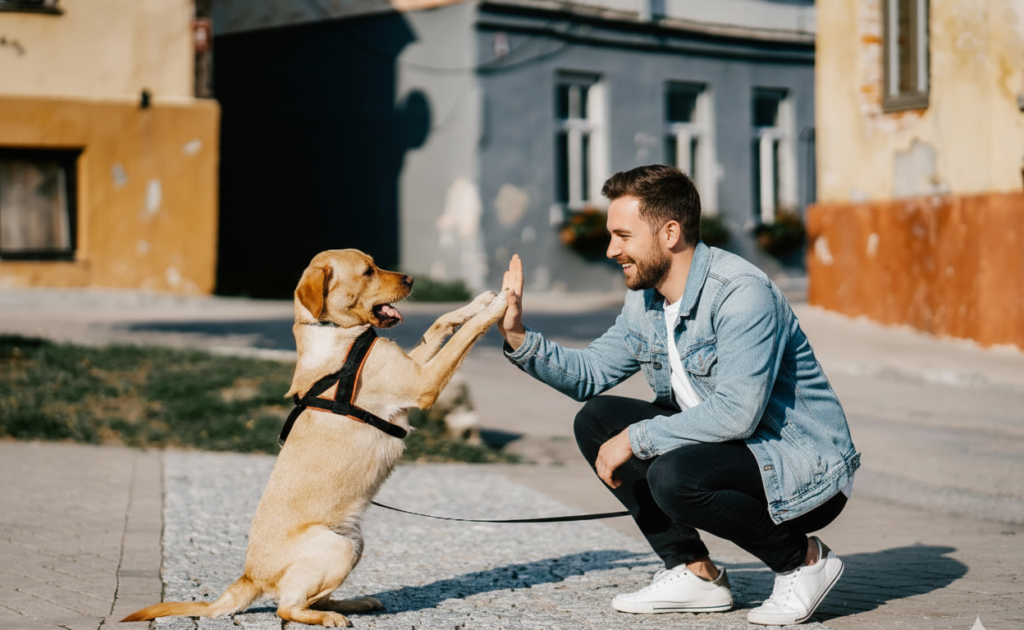
The 5 Foundational Skills Every Dog Should Learn First
Everything that follows is formed by these fundamental abilities. The remainder of your dog’s training becomes simple once they get them.
1. Name Recognition & Attention
Train a dogy our dog must pay attention to you before you can teach them anything else.
- Say the name of your dog in a happy voice.
- Say “Yes!” (or click) and give them a prize as soon as they look at you.
- Do this several times a day until they react to their name right away.
2. Sit (and Stay)
Sitting is an essential component of good manners; it teaches patience and calms tension.
- Move a reward gently upward while holding it just over your dog’s nose.
- Their bottom will naturally descend as their nose rises.
- Mark the instant they sit with “Yes!” and give them a reward.
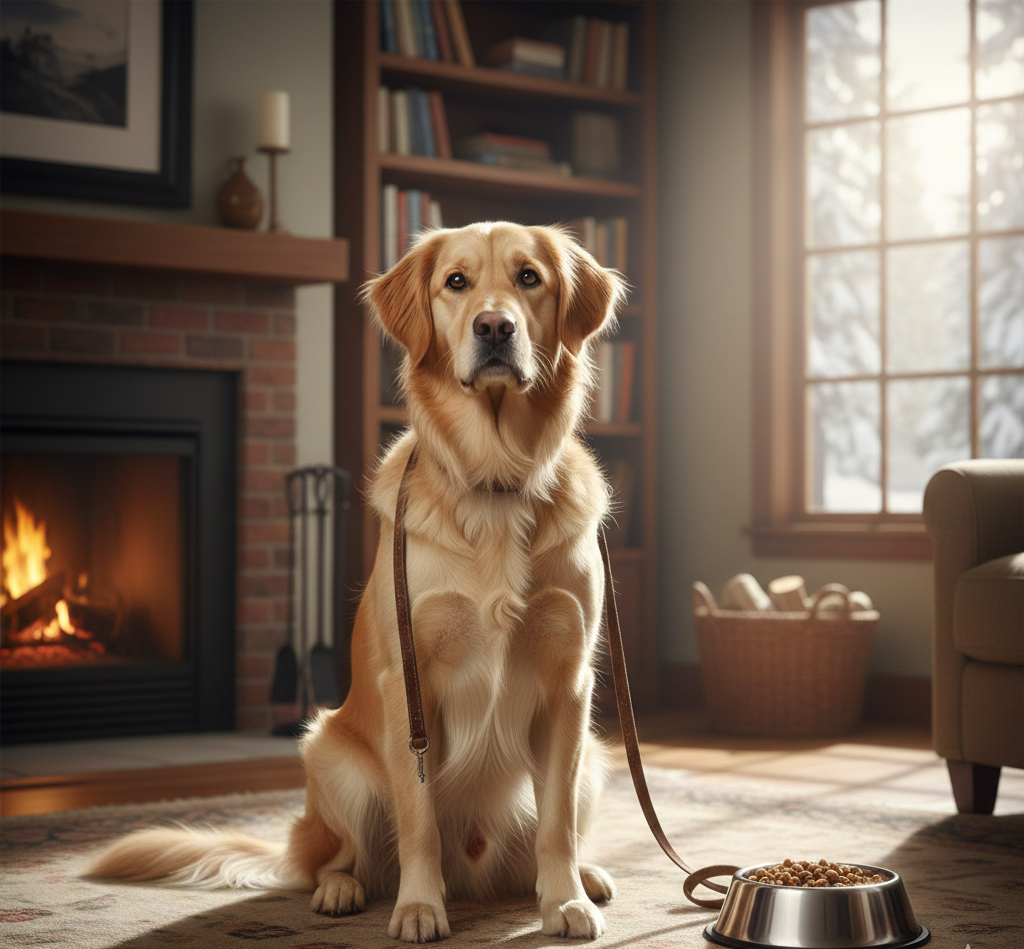
3. Come (Recall)
- One day, a powerful recall may literally save your dog’s life.
- Additionally, it allows them to securely explore.
- Say their name in a cheerful tone, then give them a command such as Please come.
- Give them lots of praise and big rewards when they approach you.
- Start with modest distances and work your way up.
4. Leave It / Drop It
In addition to keeping your dog safe, teaching them to drop or leave items when asked fosters confidence that you won’t always deprive them of pleasant things. Hold a goodie in your closed hand to begin. Allow your dog to paw, lick, and sniff it. Say yes and give them a new goodie when they give up trying.
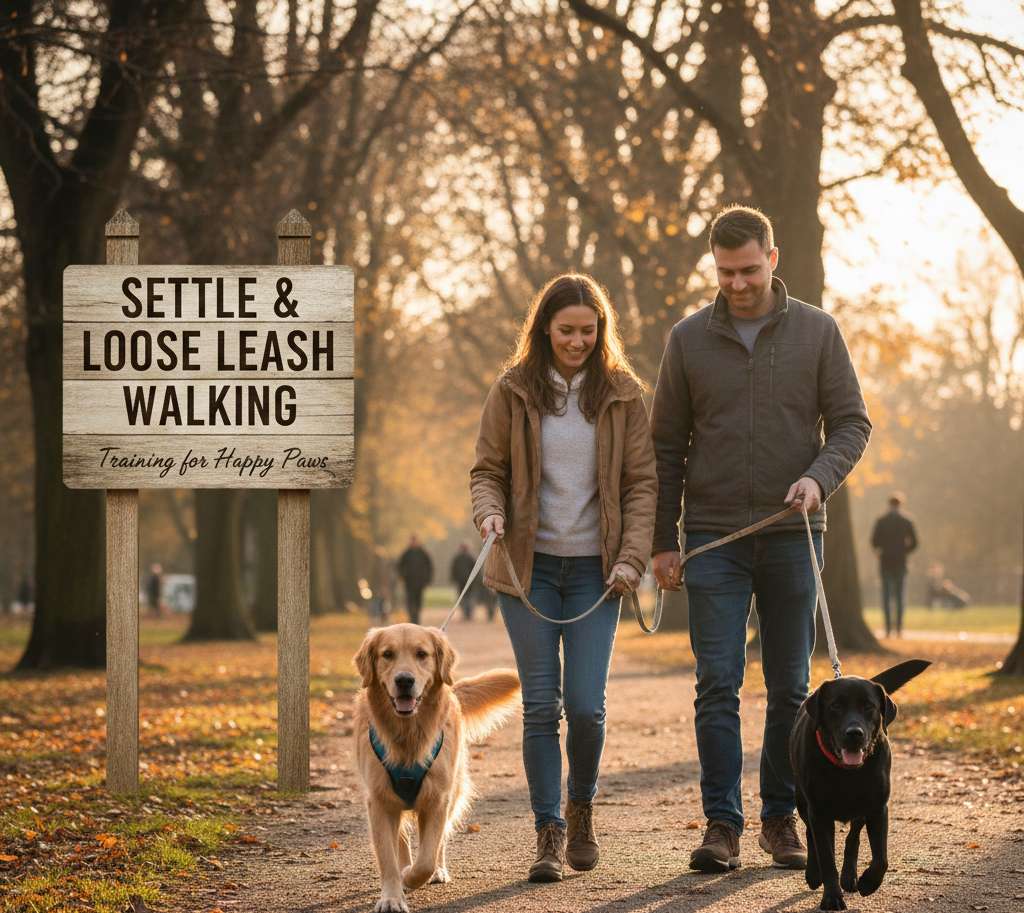
5. Settle & Loose Leash Walking
For your dog to behave calmly at home and have fun walks outdoors, you must teach them how to relax and walk respectfully on a slack leash. Particularly in training, these actions lessen tugging, leaping, and excessive enthusiasm. Teaching your dog to unwind in one spot, such as a mat or bed, is known as settling.
Train a dog Start in a peaceful part of your house. When your dog behaves calmly, give them praise or a treat after asking them to sit or lie down. Before rewarding, gradually extend the amount of time your dog is at peace. This teaches your dog self-control and how to maintain composure under various circumstances.
Your dog can learn to walk behind you without tugging by using a loose leash.
How to Train a Dog at Home?
This approach wasn’t created by me. One skill at a time, skilled dog handlers employ positive reinforcement to educate canines in a timely and reliable manner. This training approach helps dogs develop behaviors around cue phrases by using well-researched behavioral psychology techniques.
Train a dogs start by purchasing some expensive dog treats. A dog can’t resist these snacks. To a dog’s nose, they smell nice. They are also excellent for the health of dogs since they are nutritious. more protein. good fats. minerals and vitamins.
Give straightforward instructions and encourage positive conduct right away with affection, praise, or rewards. This makes it easier for your dog to comprehend your expectations. Never chastise your dog since this might make them fearful and hinder their ability to learn. Instead, always remain composed and firm.
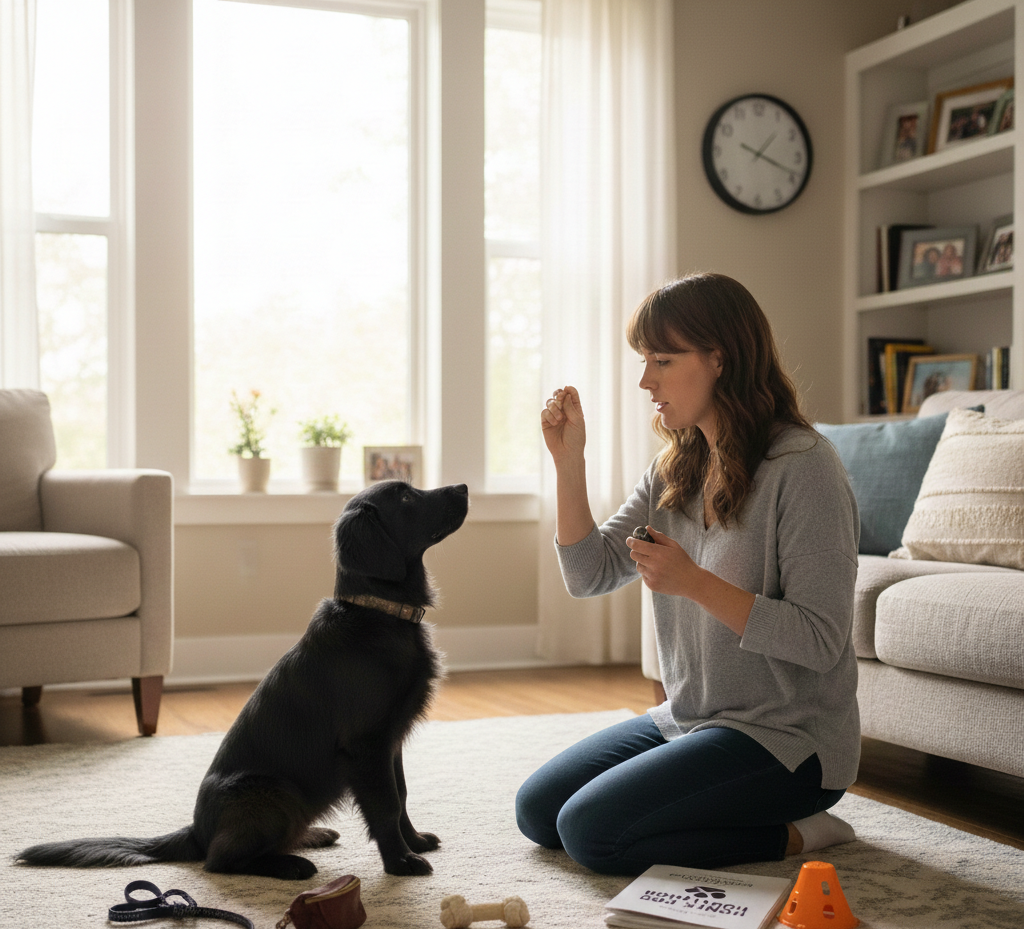
How to Teach a Dog to Sit
- Just above your dog’s nose, hold a goodie.
- Move it back over their head slowly.
- Say yes and give them the reward as soon as their butt touches the floor.
- To ensure it sticks, practice in a variety of settings. Although they may learn that sit means sit anywhere, dogs are infamous for believing that the location is part of the command.
Make Come Into a Game
When you call some dogs, they think running is the best game ever. This makes it more difficult than necessary to keep them safe or to attach a leash. You must thus persuade them that there is an improved version of this game that rewards goodies. You say come, and they come right away.
Come after saying their name. The majority of dogs are familiar with their name, and when other dogs are around, you’ll frequently need this one. Crouch down, speak in a cheerful tone, and give them something as soon as they reach you. Use the long-leash recall training technique I outline here if they truly have trouble with this.
How do you train a dog at home for beginners?
1. Start with Simple Commands
Begin with basic commands like sit, stay, come, and down.
Use clear, short words
Give one command at a time
Reward immediately with treats or praise
2. Use Positive Reinforcement
- Treats, verbal praise, or toys work well
- Ignore or redirect unwanted behavior
- Positive rewards help dogs learn faster and feel confident
3. Keep Training Sessions Short
Dogs, especially puppies, have short attention spans.
- Train for 5–10 minutes, 2–3 times a day
- End sessions on a positive note
- Be patient and repeat lessons daily
4. Be Consistent
Consistency is essential for beginners.
Use the same commands and hand signals
Make sure all family members follow the same rules
Train at the same time each day if possible
5. Practice in a Quiet Space
Start training in a calm environment.
Remove distractions like noise or other pets
Once your dog improves, slowly add distractions
This helps your dog focus better
6. House Training and Routine
Train a dog Create a daily routine for feeding, walks, and bathroom breaks.
Take your dog outside at regular times
Praise immediately after successful bathroom trips
Avoid punishment for accidents
7. Socialize Your Dog
Expose your dog to new people, sounds, and places gradually.
Keep experiences positive
Proper socialization reduces fear and aggression
8. Be Patient and Kind
- Avoid yelling or physical punishment
- Stay calm and encouraging
- Progress may be slow, but consistency brings results
What is the 3-3-3 rule for dog training?
The 3-3-3 rule for dog training explains how a newly adopted or rescued dog adjusts to a new home over time.
- First 3 days: The dog feels overwhelmed and stressed. Give space, keep routines calm, and avoid heavy training.
- First 3 weeks: The dog starts learning routines, feeling safer, and responding better to basic training.
- First 3 months: The dog feels settled, trust is built, and consistent training shows strong results.
What is the first thing I should train my dog?
Train a dog the first thing you should train your dog is usually name recognition and the basic “sit” command. These are foundational skills that make all future training easier.
1. Name Recognition
Teaching your dog to respond to their name is the first step in building attention and focus.
Train a dog use the dog’s name frequently in a positive tone.
Reward the dog with treats, praise, or affection when they look at you after hearing their name.
Practice in quiet, low-distraction areas at first
2. “Sit” Command
The “sit” command is simple, safe, and versatile.
It teaches impulse control and patience.
Can be used as a starting point for other commands like “stay” or “down.”
Helps manage behavior in everyday situations, like waiting before meals or before going out.
Hold a treat close to your dog’s nose.
Move your hand upward, causing the dog to naturally sit.
As soon as they sit, say “sit” and give them a treat.
Repeat consistently until the dog sits on command without the treat.
What is the 7 7 7 rule for puppies?
The 7-7-7 rule for puppies explains how long it typically takes a new puppy to adjust to a new home.
- First 7 Days: The puppy feels stressed and overwhelmed. Give space, gentle care, and calm routines.
- Next 7 Weeks: The puppy starts learning house rules, routines, and basic training.
- Next 7 Months: The puppy feels secure, confident, and fully bonded with the family, making advanced training easier.
Conclusion
Training a dog at home is all about patience, consistency, and clear communication. By understanding learning theories, applying positive and negative reinforcement appropriately, and starting training at the right age, you can teach your dog essential skills while building a strong bond.
Remember foundational commands, use rules like 3-3-3 and 7-7-7 to guide training sessions, and always keep sessions short, fun, and rewarding. With dedication, your dog will grow into a well-behaved and happy companion.

Puppy Obedience Training 101: A Beginner’s Guide to Raising a Well-Mannered Dog

Common Dog Behavior Problems and How to Fix Them

Puppy Commands for Off-Leash Safety: What Every Owner Needs

Best Age to Start Leash Training a Puppy for Calm Behavior

How to Fix Puppy Behavior Using Gentle Training

puppy-obedience-training-commands/Puppy Training Tips: A Complete Step-by-Step Guide for Beginners

Puppy Obedience Training 101: A Beginner’s Guide to Raising a Well-Mannered Dog
Common Dog Behavior Problems and How to Fix Them
Puppy Commands for Off-Leash Safety: What Every Owner Needs
Best Age to Start Leash Training a Puppy for Calm Behavior
How to Fix Puppy Behavior Using Gentle Training