
Dog Training
Top-Rated Dog Trainer for Aggressive Dogs Every Owner Can Trust

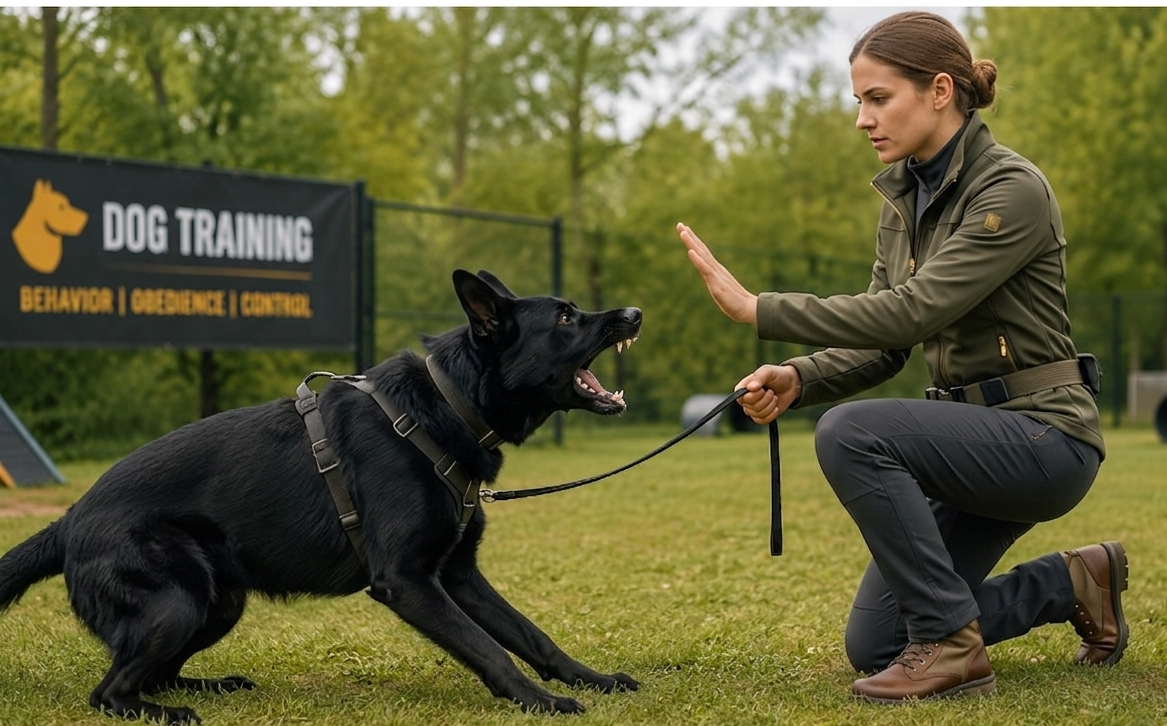
Aggressive dog behavior can be stressful, frightening, and emotionally exhausting for any pet owner. Whether your dog growls at strangers, snaps during walks, guards food, or reacts aggressively toward other animals, the right training can completely transform your dog’s behavior.
Finding a skilled dog trainer for aggressive dogs is one of the most important steps you can take to create a safer and happier environment for both you and your pet. Aggression in dogs is not always a sign of a “bad dog.” In many cases, aggression develops because of fear, anxiety, poor socialization, trauma, lack of training, or even medical issues.
A professional trainer understands how to identify the root cause of the behavior and create a personalized training plan that builds trust and confidence in your dog. In this guide, you’ll learn how aggressive dog training works, why expert help matters, and how the best dog trainers can help your dog become calmer, more obedient, and easier to manage.
What Causes Aggressive Behavior in Dogs?
Dog aggression can take many different forms. While some dogs grow possessive of food, toys, or territory, others yelp and lunge at strangers. The first step to effective training is comprehending the root causes of hostility.
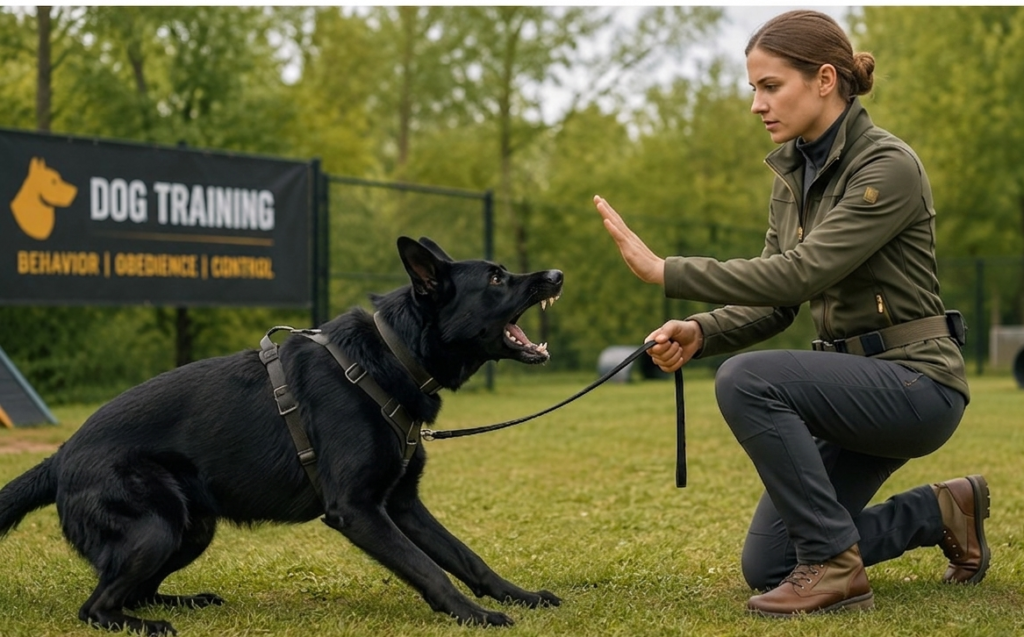
Common Causes of Dog Aggression
Anxiety and Fear
One of the main causes of aggression in dogs is fear. Dogs may bite or growl in self-defense when they sense danger.
Insufficient Socialization
Later in adulthood, dogs that were not exposed to a variety of people, places, or animals as puppies may develop reactive behaviors.
Territorial Boundary
Some dogs have an innate tendency to defend their yard, house, or owner.
Abuse or Trauma in the Past
In stressful situations, rescue dogs or previously mistreated pets may exhibit violent reactions and struggle with trust.
Pain or Health Issues
Aggression can occasionally be brought on by health problems. When touched, a dog in pain may respond defensively.
Anger and Weak Instruction
Inadequate obedience training can cause behavioral issues in dogs that eventually get worse.
Signs Your Dog Needs Professional Aggression Training
Too many owners put off asking for assistance. Training is more successful, and hazardous situations are avoided with early intervention.

Warning Signs include:
- Snarling at other canines or people
- Snapping or snapping
- During walks, lunging
- Guarding of food or toys
- Overbearing barking combined with hostile body language.
- Behaving territorially around visitors
- Fearful responses that rapidly intensify
It is strongly advised to work with a professional dog trainer for aggressive dogs if your dog frequently exhibits these characteristics.
Why Hiring a Professional Dog Trainer Matters
It is never appropriate to disregard aggressive behavior or use punishment-based strategies. Expert trainers employ tried-and-true methods that emphasize consistency, trust, and positive behavior reinforcement.
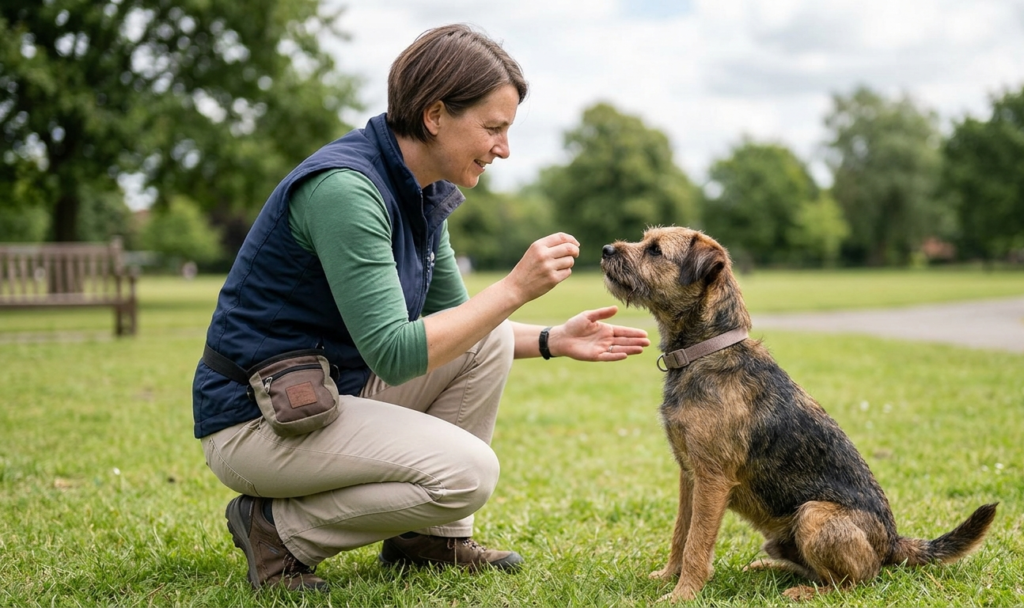
Professional Dog Training’s Benefits:
Customized Training Programs
Dogs are unique. Trainers assess your dog’s triggers and develop a behavior-specific strategy.
Improving Protection in Training
Expert trainers are knowledgeable about how to safely manage confrontational situations.
More Effective Communication
Training aids dog owners in deciphering their emotional cues and body language.
Faster Progress
Experienced trainers can identify problems quickly and apply techniques that work efficiently.
Long-Term Results
Good training focuses on lasting behavioral improvement instead of temporary fixes.
How Top-Rated Aggressive Dog Trainers Work
The best trainers do more than teach commands. They focus on behavior modification and emotional control.
Aggressive dog
Step 1: Assessment of Behavior
Your dog’s behavior, triggers, surroundings, and past are the first things a trainer looks at.
Step 2: Developing Trust
When they feel secure, dogs learn best. To lessen worry and panic, trainers do exercises that boost confidence.
Step 3: Foundation of Obedience
Structure and control are established by simple orders like seat, remain, leave it, and heel.
Step 4: Managed Socialization
In controlled settings, dogs gradually learn how to maintain composure in the face of stimuli.
Step 5: Education of Owners
Owner consistency is crucial for training to be successful. Owners learn from trainers how to reward calm conduct at home.
Best Training Methods for Aggressive Dogs
Modern dog training focuses on positive reinforcement rather than punishment.
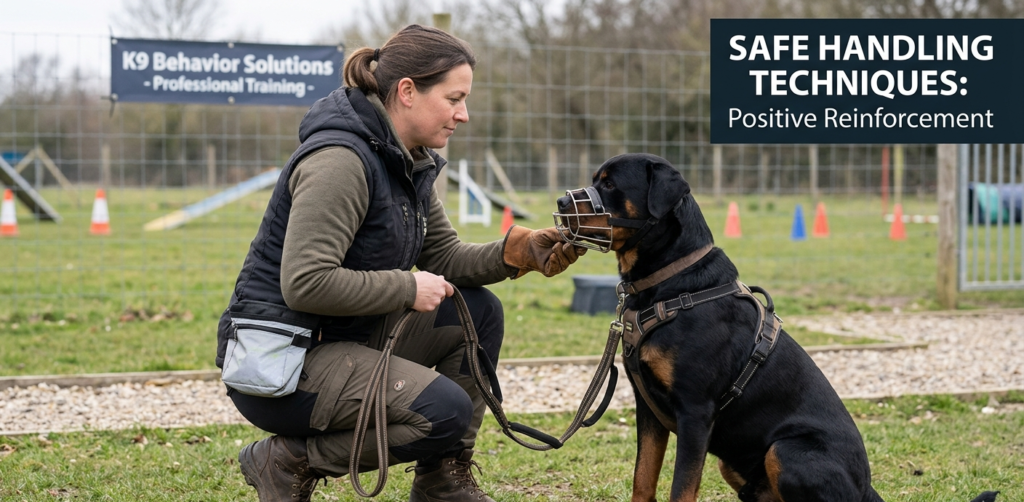
Positive Reinforcement
This approach uses toys, praise, and sweets to promote excellent behavior. Dogs discover that peaceful conduct produces favorable results.
Desensitization
To gradually lessen scared reactions, dogs are gradually exposed to triggers at safe distances.
The opposite of conditioning
This alters how a dog reacts emotionally to something they dislike or are afraid of.
Training with a leash and focus
Control during walks and public events is enhanced when dogs are taught to concentrate on their owners in stressful situations.
Mistakes Owners Make With Aggressive Dogs
Many dog owners accidentally worsen aggressive behavior without realizing it.
punishing Aggression
Fear and anxiety are heightened by yelling or physical punishment, which frequently exacerbates violence.
Ignoring Early Signs
A warning sign is a growl. Ignoring it may result in biting.
Unreliable Training
For dogs to learn well, rules must be consistent and unambiguous.
Compulsory Socialization
A fearful dog may become more reactive if it is thrust into stressful situations too soon.
How Long Does Aggressive Dog Training Take?
Every dog is different. Some dogs show improvement within a few weeks, while severe aggression cases may require months of consistent work.
Factors that affect training time include:
- The dog’s age
- Severity of aggression
- Breed temperament
- Past experiences
- Owner consistency
- Training methods used
Choosing the Best Dog Trainer for Aggressive Dogs
Not every trainer specializes in aggression cases. Choosing the right professional makes a huge difference.
Knowledge of Aggressive Dogs
Select a person who specializes in behavior change.
Techniques for Positive Reinforcement
Steer clear of trainers that use severe punishment or intimidation.
Positive Testimonials and Reviews
Examine internet evaluations and client success stories.
Unambiguous Communication
A skilled trainer involves the owner at every stage and provides comprehensive explanations of procedures.
Education and Certification
Advanced training knowledge may be indicated by professional credentials.
Tips to Support Your Dog at Home
Training sessions alone are not enough. Owners must continue practicing calm behavior daily.
Helpful Home Training Tips
- Stay calm during stressful situations.
- Reward calm behavior immediately
- Avoid overwhelming environments
- Keep training sessions short and positive.
- Use consistent commands
- Exercise your dog regularly.
- Create predictable routines
Can Aggressive Dogs Become Friendly Again?
Yes, many aggressive dogs improve significantly with the right training, management, and consistency. Some dogs may never become completely social in every situation, but they can learn to remain calm, controlled, and safe.
The goal is not perfection overnight. The goal is to create a better relationship between you and your dog while reducing stress and dangerous behavior. With patience, structure, and expert guidance, even highly reactive dogs can make incredible progress.
What is the best training method for aggressive dogs?
The best training method for aggressive dogs is positive reinforcement combined with behavior modification techniques. Professional trainers reward calm and controlled behavior using treats, praise, toys, and consistency instead of punishment. This approach helps dogs feel safe and builds trust between the dog and owner.
Techniques like desensitization and counter-conditioning are also commonly used to reduce fear and reactive behavior over time. Punishment-based training methods can increase stress, fear, and anxiety, which may make aggression even worse.
Aggressive dogs often react because they feel threatened or insecure, so creating positive experiences is far more effective. A skilled dog trainer focuses on understanding the root cause of aggression and teaching the dog healthier ways to respond in difficult situations.
Can an aggressive dog be fully cured?
Many aggressive dogs improve significantly with proper training, structure, and patience. Some dogs can completely overcome aggressive behaviors, especially when training starts early, and owners remain consistent. Professional guidance helps dogs learn better emotional control, obedience, and social behavior, which can greatly reduce dangerous reactions.
However, every dog is different, and some dogs may always need careful management in stressful situations. The goal of training is not always to make every dog extremely social, but to help them remain calm, safe, and manageable. With ongoing support and daily practice, most aggressive dogs can live happy and balanced lives with their families.
Should I punish my dog for growling?
No, you should never punish a dog for growling. Growling is a warning signal that tells you your dog feels uncomfortable, stressed, fearful, or threatened. If owners punish growling, the dog may stop giving warning signs altogether and could react more suddenly with biting or snapping in the future.
Instead of punishment, owners should try to understand what triggered the reaction and remove the dog from the stressful situation if possible. Professional trainers teach owners how to read body language, reduce stress triggers, and reward calm behavior. Addressing the emotional cause behind the growling is much safer and more effective than trying to suppress it.
Conclusion
Living with an aggressive dog can feel overwhelming, but the right help can completely change your experience. A top-rated dog trainer for aggressive dogs understands how to identify triggers, build trust, and guide your dog toward calmer behavior using safe and effective methods.
Aggression is not something owners should ignore or try to “fix” alone with punishment. Professional guidance, patience, and consistency are the keys to long-term success. With proper training and daily reinforcement, many aggressive dogs become safer, happier, and more confident companions.
Investing in expert dog training today can improve your dog’s behavior, strengthen your bond, and create a more peaceful life for everyone in your home.

Puppy Obedience Training 101: A Beginner’s Guide to Raising a Well-Mannered Dog

Common Dog Behavior Problems and How to Fix Them

Puppy Commands for Off-Leash Safety: What Every Owner Needs

Best Age to Start Leash Training a Puppy for Calm Behavior

How to Fix Puppy Behavior Using Gentle Training

puppy-obedience-training-commands/Puppy Training Tips: A Complete Step-by-Step Guide for Beginners

Puppy Obedience Training 101: A Beginner’s Guide to Raising a Well-Mannered Dog
Common Dog Behavior Problems and How to Fix Them
Puppy Commands for Off-Leash Safety: What Every Owner Needs
Best Age to Start Leash Training a Puppy for Calm Behavior
How to Fix Puppy Behavior Using Gentle Training