
Puppy Training
Best 10 Tips for Puppy Training That Actually Work

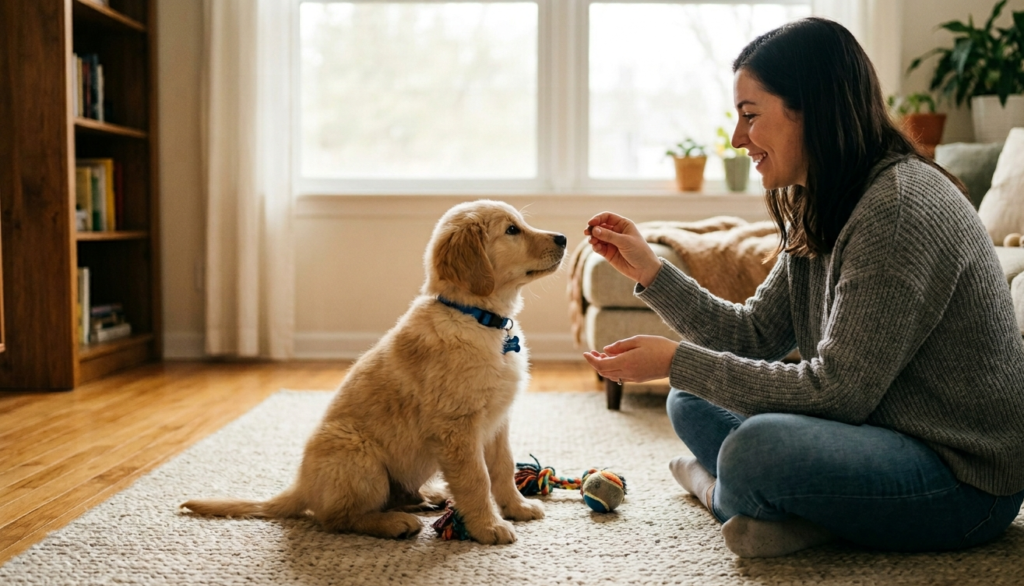
Puppy training can feel overwhelming at first, especially for new dog owners who aren’t sure where to begin. From house training accidents to constant chewing and barking, it’s easy to feel frustrated. The good news is that with the right approach, patience, and consistency, puppy training doesn’t have to be stressful.
In fact, it can become one of the most rewarding parts of building a strong bond with your furry companion. The key to successful puppy training is understanding that puppies learn best through positive reinforcement and clear communication. They don’t naturally know what’s right or wrong. You have to teach them step by step.
Simple actions like rewarding good behavior, sticking to a routine, and using consistent commands can make a huge difference in how quickly your puppy learns. Every puppy is different, but the fundamentals of training remain the same. Whether you’re teaching basic commands, potty training, or correcting unwanted behavior.
The right techniques can save you time and prevent future problems. Early training also helps your puppy grow into a well-behaved, confident, and happy adult dog. In this guide, we’ll share the best 10 tips for puppy training that actually work. These proven strategies are easy to follow and perfect for beginners, helping you train your puppy faster while building trust and a lifelong connection.
10 Tips for Training a Puppy
Cuddles, tail wags, and the odd chewed-up slipper are all part of bringing a new puppy home. Even though the first few weeks can be hectic, a little training and some pet products from Closer Pets can help transform your energetic ball of fluff into a well-mannered friend. For all the puppy training advice you’ll ever require, see our guide below.
1. Start puppy training early
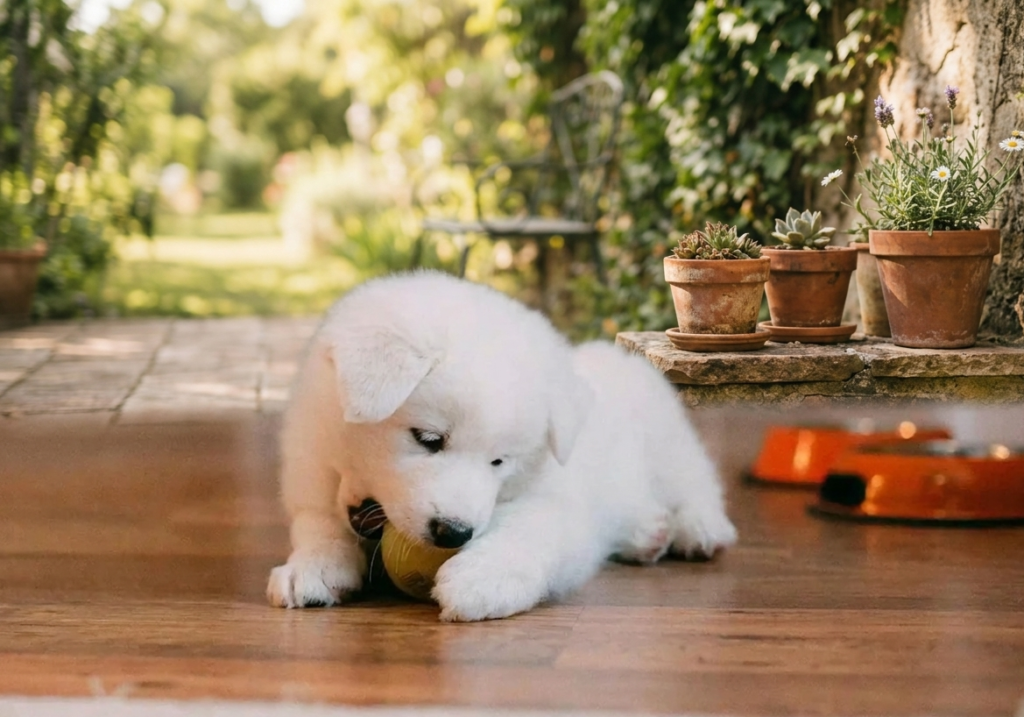
The first step in training a puppy is that it will be easier to mold their behavior if you start early. Like tiny sponges, young pups are receptive to new information, eager to please, and not yet set in their ways. That’s why it’s said that you can’t teach new tricks to old dogs.
Starting puppy training early is one of the most important steps for raising a well-behaved puppy. Puppies begin learning from the moment they enter your home, so the earlier you introduce basic training, the better. Early training helps them understand simple rules like where to go potty, what they can chew, and how to behave around people.
This stage is when their minds are most flexible, making it easier to shape good habits before bad ones develop. Training early also builds a strong foundation for future learning. Simple commands like sit, stay, and come can be introduced in short, fun sessions. Keep training positive and reward-based so your puppy associates learning with something enjoyable.
Consistency is key. Using the same commands and routines helps your puppy understand what is expected of them. Most importantly, early training strengthens the bond between you and your puppy. It creates trust, improves communication, and makes your puppy feel safe and secure. When you start early, you’re not just teaching obedience, you’re setting your puppy up for a lifetime of good behavior and confidence.
2. Use positive reinforcement
Rewarding your pooch for doing something you enjoy is known as positive reinforcement. Although it may sound like bribery, it is based on actual behavioral science, which states that a behavior is more likely to recur when it produces a positive result. All animals, including guide dogs and goldfish, learn this way.
Food isn’t the only incentive; depending on your puppy, play, praise, unrestricted exploration, or even a tug toy can all be effective motivators. Timing is crucial, too; reward the behavior as it occurs so your puppy knows exactly what they are being rewarded for.
The reward must come immediately after the desired behavior, so your puppy can clearly connect the action with the outcome. You can also layer rewards, combining treats with verbal praise or a marker word like “yes” to reinforce clarity. Over time.
This builds a strong learning pattern where your puppy actively chooses good behavior because it consistently leads to a positive result. To make reinforcement more effective, vary your rewards based on difficulty and progress.
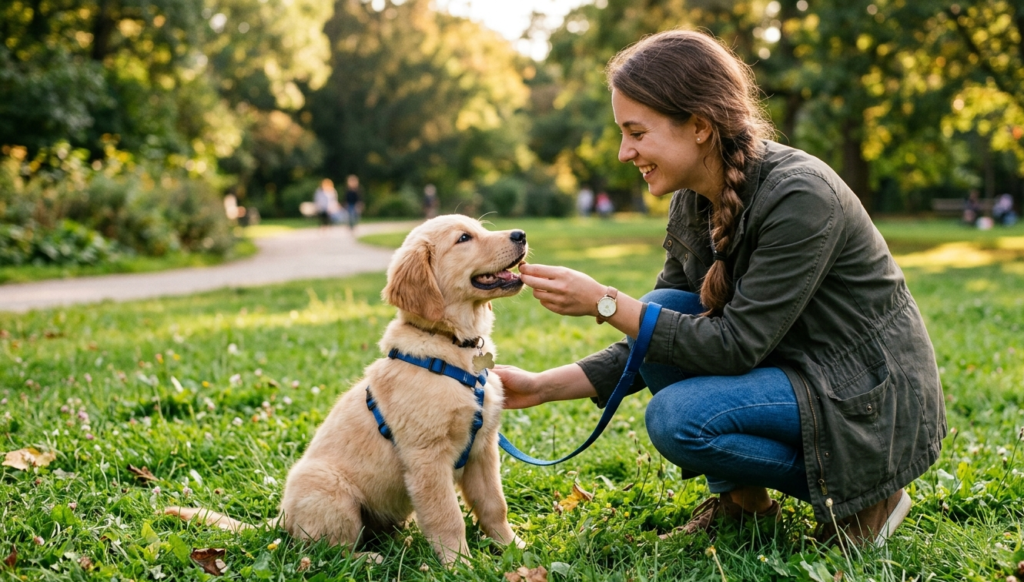
For example, use higher-value treats or extra playtime when your puppy successfully performs a challenging command or resists a strong distraction. Gradually shift from constant rewards to intermittent reinforcement so your puppy doesn’t become dependent on treats alone.
This approach not only strengthens obedience but also builds focus, motivation, and long-term reliability in your puppy’s behavior.
3. Use a clicker
A clicker is a tiny plastic device that produces a steady, unique sound that is unique to your dog’s daily existence. Additionally, it’s unquestionably the most effective puppy training tool available.
You click the clicker simultaneously while utilizing any type of positive reinforcement. After that, your dog learns to link the click sound, the behavior, and the reward. They identify that unique sound as “Yes! “That’s what I was supposed to do,” and eventually, they will begin acting well on their own.
4. Don’t use negative reinforcement
It’s not just cruel to hit or slap your pet, rub your puppy’s nose in its mess, or use any other form of punishment-based training. It is ineffective.
Negative reinforcement teaches puppies what to avoid but not what to do instead, which is a problem. Your puppy may be interrupted in the moment by pulling on a lead or screaming when they won’t stop barking, but this won’t teach them the desired behavior.

5. Keep training sessions short
Puppy brains are easily tired. They will become confused after five minutes if you try to teach them a new behavior for fifteen. Short bursts of training, five to ten minutes at a time, two or three times a day, are the most effective. Without overwhelming them, that frequency aids in reinforcing what they are learning.
6. Teach “sit” first
“Sit” is a fundamental behavior since it necessarily prevents a wide range of other behaviors. After all, a sitting pet isn’t barking, jumping, pulling, or running out the door! It’s also simple to teach. Hold a treat slightly above their nose at first, then gradually raise it back over their head.
Their ass frequently drops when they tilt their head to follow. Click or select “yes” to mark that process, then give it a reward. Your pooch will be able to sit if you repeat a few times and add the word “sit” right before they do it.
7. Redirect chewing behaviours
Puppies use their lips to investigate the world, much like toddlers do. Chewing is a highly instinctive way for them to ease boredom and teething pain, so they’re not being mischievous. What they chew, however, is up to you.
When your pet clings to your shoe, gently interrupt them and offer them something more appropriate, like a textured chew toy, instead of simply saying “no.” You’re teaching kids what’s acceptable each time you effectively redirect.
8. Introduce new things gradually
Building positive connections with the unexpected is the goal of socialization, rather than exposing your pet to every environment. Without gradual introductions, new pets, people, automobiles, hoovers, bikes, kids, and noisy trash cans can all be intimidating.
Pay attention to your puppy’s body language, such as licking their lips, tucking their tail, or putting their ears back. That’s a signal to slow down. Give them room, allow them to watch, and associate incentives with novel experiences.
9. Ignore unwanted attention-seeking
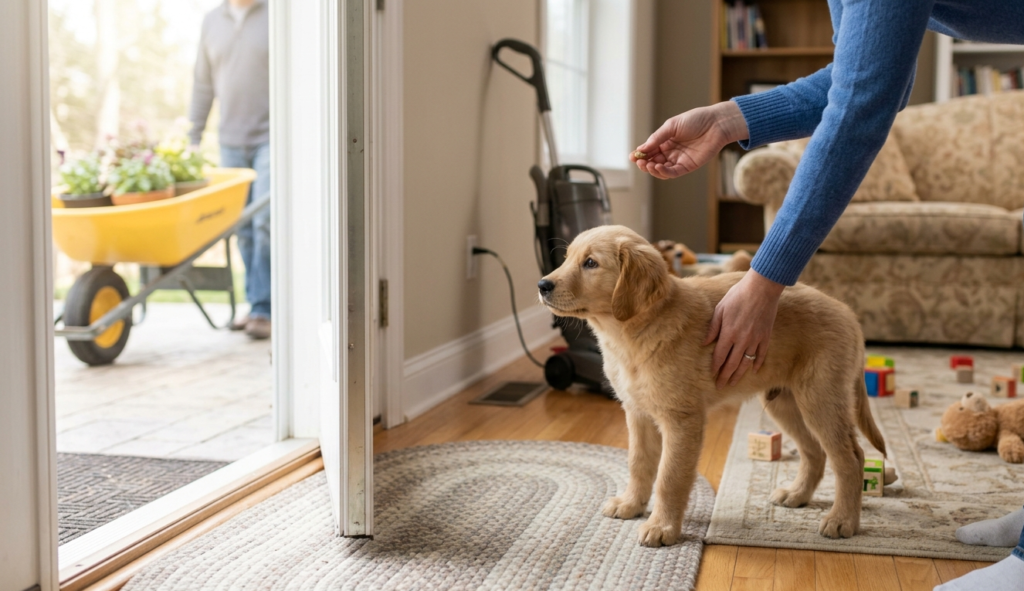
They will continue to bark, paw, or jump if they regularly receive the attention they desire. Removing the reward is the trick, not punishing the behavior. Wait to greet your pet until all four paws are on the ground if they jump up when you arrive home.
If they bark to play, move away until they stop. The main challenge is that the first time you do it, you’ll feel terrible! However, you’re not being cruel; rather, you’re teaching them boundaries, which they pick up on sooner than you may think.
10. Keep trying!
Finally, but just as importantly, keep going. There will be days when your puppy seems to have figured it out, and days when it seems like they’ve forgotten everything. That is typical. It takes patience, perseverance, and a good sense of humor to train a pet.
What are the most important tips for puppy training?
The most important tips for puppy training focus on consistency, timing, and positive reinforcement. Start training early so your puppy develops good habits from the beginning, and stick to a clear routine for feeding, potty breaks, and practice sessions.
Use rewards like treats, praise, or play to reinforce good behavior, making sure the reward comes immediately so your puppy understands what they did right. Keep training sessions short, engaging, and repeated daily to build memory and focus.
Just as important, avoid punishment and instead redirect unwanted behavior calmly. With patience and consistency, your puppy will learn faster and grow into a well-behaved, confident dog.
What is the 10-10-10 rule for puppies?
The 10-10-10 rule for puppies is a simple training guideline that helps build focus and consistency. It means doing 10 minutes of training, 10 minutes of play, and 10 minutes of rest in a balanced cycle.
The training time keeps sessions short so your puppy doesn’t get bored or overwhelmed, while playtime acts as a reward and helps release energy. The rest period is just as important because puppies need time to process what they’ve learned and avoid overstimulation.
Following this rule can improve learning speed, reduce frustration, and create a healthy routine that supports both mental and physical development.
How do you say “I love you” in puppy speak?
In “puppy speak,” dogs don’t use words; they express “I love you” through their behavior and body language. When your puppy follows you around, makes soft eye contact, wags their tail in a relaxed way, or leans into you, these are all strong signs of affection and trust. Licking your face or hands, bringing you their favorite toy, and getting excited when you come home are also ways your puppy shows love.
What is the 7 7 7 rule for puppies?
The 7-7-7 rule for puppies is a simple guideline to structure early training and adjustment. It typically means giving your puppy 7 days to settle into their new home, 7 weeks to build basic routines and trust, and 7 months to develop consistent training and behavior habits.
During the first week, focus on comfort, bonding, and a predictable schedule. Over the next several weeks, introduce basic commands, socialization, and positive reinforcement. By the 7-month stage, your puppy should have a solid foundation in obedience and behavior, though continued training is still important as they mature.
Conclusion
Puppy training takes patience, consistency, and the right approach, but the results are worth it. By starting early, using positive reinforcement, and keeping training sessions short and engaging, you can build strong habits that last a lifetime. Simple techniques like teaching basic commands, redirecting unwanted behaviors, and staying consistent help your puppy learn faster and grow into a well-behaved companion.
Remember, every puppy learns at their own pace, so don’t get discouraged by small setbacks. Focus on building trust, maintaining a routine, and showing love in ways your puppy understands.

Puppy Obedience Training 101: A Beginner’s Guide to Raising a Well-Mannered Dog

Common Dog Behavior Problems and How to Fix Them

Puppy Commands for Off-Leash Safety: What Every Owner Needs

Best Age to Start Leash Training a Puppy for Calm Behavior

How to Fix Puppy Behavior Using Gentle Training

puppy-obedience-training-commands/Puppy Training Tips: A Complete Step-by-Step Guide for Beginners

Puppy Obedience Training 101: A Beginner’s Guide to Raising a Well-Mannered Dog
Common Dog Behavior Problems and How to Fix Them
Puppy Commands for Off-Leash Safety: What Every Owner Needs
Best Age to Start Leash Training a Puppy for Calm Behavior
How to Fix Puppy Behavior Using Gentle Training